How to Sober Up From Weed: What to Do If You’re Too High
Key Takeaways
- Feeling too high from cannabis can be uncomfortable, but the effects are temporary and usually pass on their own.
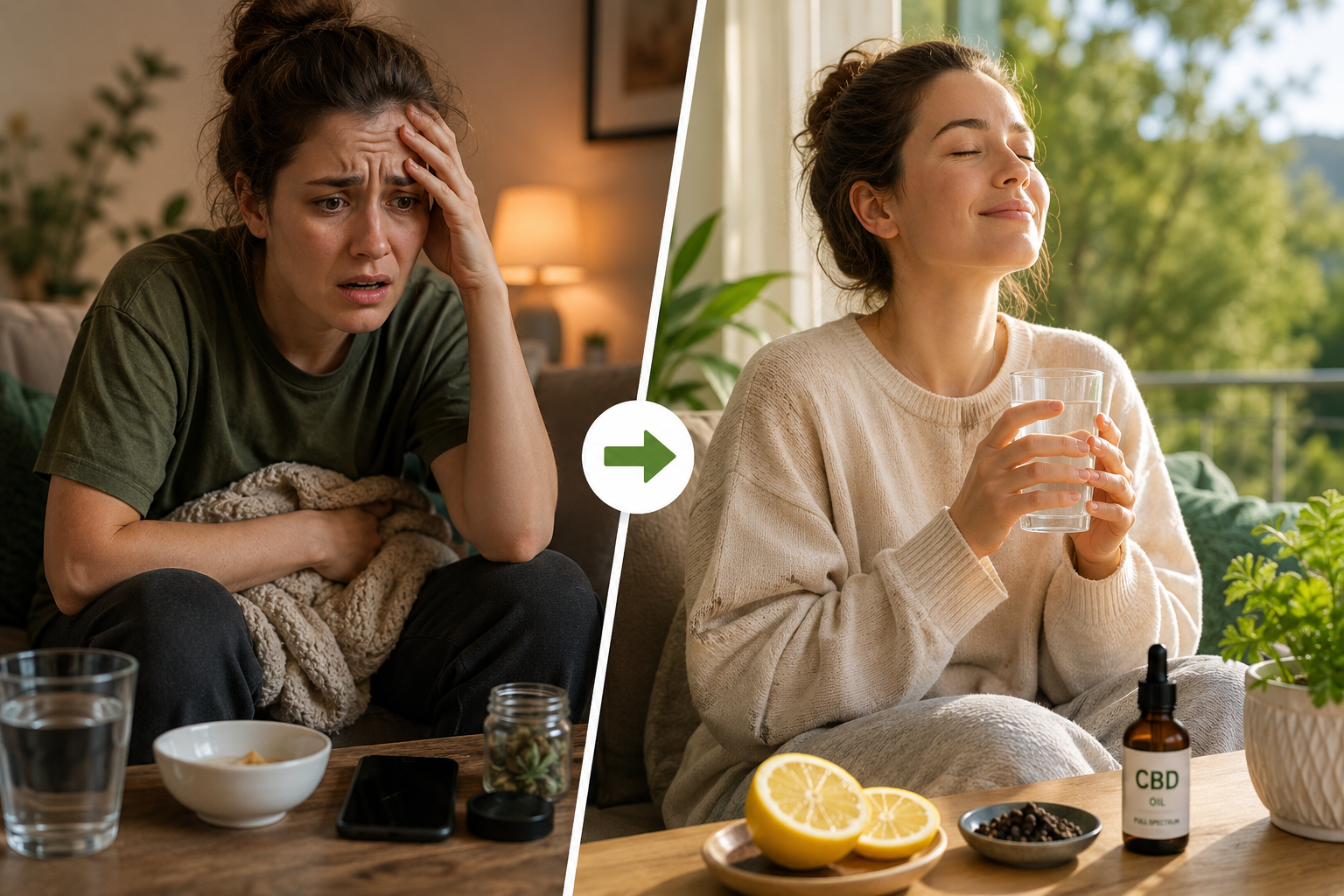
- Staying calm, drinking water, eating a light snack, and moving to a comfortable environment can help reduce anxiety and discomfort.
- CBD, black pepper, and citrus may help some people feel more grounded during an intense THC experience.
- Edibles are one of the most common causes of overconsumption because their effects take longer to appear and last much longer.
- Understanding THC potency, your personal tolerance, and proper dosing can help prevent future episodes of overconsumption.
Most people associate cannabis with relaxation, laughter, and stress relief. However, consuming more THC than your body can comfortably handle can sometimes produce the opposite effect.
When THC enters the body, it interacts with the endocannabinoid system, a network of receptors involved in regulating mood, memory, perception, appetite, and many other functions. When THC levels become too high, especially in inexperienced consumers or after consuming potent products, the brain can become overstimulated.
This overstimulation may lead to symptoms such as anxiety, paranoia, racing thoughts, dizziness, confusion, nausea, or an elevated heart rate. While these effects can feel intense and alarming, they are usually temporary and gradually fade as THC is metabolized by the body.
Understanding what’s happening can often make the experience less frightening. In most cases, the feeling isn’t dangerous—it’s simply the result of consuming more THC than your current tolerance can comfortably handle.
Common Symptoms of Being Too High
The experience varies from person to person, but some symptoms are especially common when cannabis is consumed in excessive amounts.
Mental Symptoms
- Anxiety
- Paranoia
- Racing thoughts
- Confusion
- Difficulty concentrating
- Feeling detached from reality
- Panic attacks
Physical Symptoms
- Dizziness
- Increased heart rate
- Dry mouth
- Red eyes
- Sweating
- Nausea
- Loss of coordination
- Extreme drowsiness
Many people become anxious because they interpret these symptoms as signs of a serious medical problem. In reality, these reactions are often temporary side effects of THC and typically improve with time.
Why Cannabis Sometimes Feels Overwhelming
THC Potency
Cannabis products today are significantly stronger than they were decades ago.
Many modern flower strains regularly exceed 25% THC, while concentrates such as wax, shatter, live resin, and rosin can contain 70% to 90% THC or more.
For consumers with a low tolerance, even a small amount of a high-potency product can produce unexpectedly intense effects.
Edibles
Edibles are one of the leading causes of accidental overconsumption.
Unlike smoking or vaping, where effects appear within minutes, edibles often take between 30 minutes and 2 hours to fully kick in. Many people mistakenly believe the edible isn’t working and consume additional doses.
When the effects finally arrive, they can feel significantly stronger and last much longer than expected.
This is why the classic mistake of saying “these edibles aren’t doing anything” often leads to an uncomfortable experience a few hours later.
Low Tolerance
Tolerance plays a major role in how cannabis affects you.
Someone who consumes cannabis daily may barely notice a dose that would overwhelm an occasional consumer. If you’ve recently taken a tolerance break or only consume cannabis occasionally, your sensitivity to THC may be much higher than expected.
Even experienced consumers can sometimes underestimate how quickly tolerance levels change.
Mixing Cannabis and Alcohol
Alcohol and cannabis can amplify each other’s effects.
Research suggests that drinking alcohol before consuming cannabis may increase THC absorption into the bloodstream. As a result, the high may feel significantly stronger than expected.
Many stories of “greening out” involve individuals who consumed alcohol first and then smoked or ate cannabis afterward.
Combining the two substances may increase the risk of:
- Dizziness
- Nausea
- Anxiety
- Vomiting
- Loss of coordination
If you’re inexperienced with either substance, it’s generally wise to avoid mixing them.
How to Sober Up From Weed: Step-by-Step
While there is no instant off-switch for a cannabis high, several strategies can help make the experience more manageable.
Stay Calm and Remind Yourself It Will Pass
This is arguably the most important step.
Many people who become too high begin worrying that something is seriously wrong. Reminding yourself that the effects are temporary can dramatically reduce anxiety.
Tell yourself:
- I am safe.
- This is temporary.
- The effects will wear off.
- Thousands of people experience this every day.
The high may feel overwhelming, but it will gradually fade.
Move to a Comfortable Environment
Your surroundings can influence how you feel.
If you’re in a loud, crowded, or stressful environment, consider moving to a quieter, more comfortable place.
Dim lighting, a comfortable couch, a blanket, or familiar surroundings can help reduce sensory overload and create a feeling of safety.
Drink Water
Water won’t instantly remove THC from your body, but it can help address common symptoms such as dry mouth and dehydration.
Sip water slowly and steadily.
Avoid excessive amounts of caffeine or energy drinks, which may increase nervousness and make anxiety worse.
Eat a Light Snack
Many people report feeling better after eating.
A light snack may help ground you and provide a distraction from the experience.
Good options include:
- Fruit
- Crackers
- Toast
- Nuts
- Yogurt
Heavy meals aren’t necessary, but a small snack can help some people feel more comfortable.
Try Black Pepper or Citrus
This is one of the most popular cannabis home remedies.
Black pepper contains beta-caryophyllene, a terpene that interacts with cannabinoid receptors in a unique way. Some cannabis consumers report that chewing a few peppercorns or smelling freshly cracked black pepper helps reduce anxiety.
Similarly, citrus fruits contain limonene, a terpene often associated with uplifting and calming effects.
While scientific evidence remains limited, many consumers swear by these simple remedies.
Consider CBD
CBD may help counterbalance some of THC’s effects.
Unlike THC, CBD is non-intoxicating and appears to interact differently with cannabinoid receptors. Some studies suggest CBD may reduce anxiety and moderate certain psychoactive effects of THC.
Many consumers keep CBD oil, capsules, or vape products available specifically for situations where they accidentally consume too much THC.
Distract Yourself
Focusing on how high you feel often makes the experience seem stronger.
Try redirecting your attention toward something enjoyable:
- Watch a familiar movie
- Listen to music
- Play a simple video game
- Talk to a trusted friend
- Watch funny videos
Distraction helps break the cycle of anxiety and obsessive thinking.
Take a Short Walk
If you feel physically comfortable, gentle movement can sometimes help.
A short walk around the neighborhood, spending time in the garden, or simply getting some fresh air may improve your mood and reduce feelings of confinement.
Avoid strenuous exercise if you’re feeling dizzy or nauseous.
Sleep If You Can
Sometimes the simplest solution is the best one.
If you’re able to relax enough to fall asleep, you’ll likely feel significantly better after waking up.
Many uncomfortable highs resolve completely after a good night’s sleep.
How Long Does Being High Last?
One of the most common questions people ask is how long the effects will continue.
The answer depends largely on how cannabis was consumed.
Smoking Flower
- Onset: 1 to 10 minutes
- Peak: 30 to 60 minutes
- Duration: 2 to 4 hours
Vaping
- Onset: Almost immediate
- Peak: Within the first hour
- Duration: 2 to 4 hours
Edibles
- Onset: 30 minutes to 2 hours
- Peak: 2 to 4 hours
- Duration: 6 to 12 hours
- Sometimes longer in sensitive individuals
Concentrates
- Onset: Immediate
- Peak: Very intense
- Duration: Several hours
Understanding these timelines can provide reassurance. Even if the experience feels intense, knowing approximately how long it will last can make it easier to stay calm.
What Is Greening Out?
“Greening out” is a term commonly used within cannabis culture to describe consuming more THC than your body can comfortably handle.
Although unpleasant, greening out is generally temporary.
Common symptoms include:
- Intense anxiety
- Panic
- Nausea
- Sweating
- Dizziness
- Vomiting
- Rapid heart rate
- Confusion
Greening out is most often associated with:
- Strong edibles
- High-potency concentrates
- Mixing cannabis with alcohol
- Low tolerance levels
The recovery strategies discussed throughout this article are often helpful for people experiencing a green out.
When Should You Seek Medical Help?
Cannabis overconsumption is usually not a medical emergency.
However, there are situations where professional medical assistance may be appropriate.
Consider seeking medical attention if:
- You experience chest pain
- Breathing becomes difficult
- You lose consciousness
- Severe dehydration occurs
- Symptoms become unusually prolonged
- There is concern that another substance may have been involved
If you’re unsure, it’s always better to err on the side of caution and consult a healthcare professional.
How to Avoid Getting Too High in the Future
The best solution is prevention.
Start Low and Go Slow
Especially with edibles, begin with a low dose and wait long enough before consuming more.
Know Your THC Content
Always check product labels and understand how much THC you’re consuming.
Avoid Mixing Substances
Combining alcohol and cannabis increases the likelihood of an unpleasant experience.
Consume in a Comfortable Environment
Familiar surroundings can significantly influence how cannabis affects you.
Respect Your Tolerance
What felt comfortable six months ago may feel very different today.
Understanding your own limits is one of the most important skills any cannabis consumer can develop.
Conclusion
Almost every regular cannabis consumer has accidentally gotten a little too high at some point. Whether it happens from a potent edible, a strong concentrate, or simply underestimating your tolerance, the most important thing to remember is that the feeling will pass.
The best approach is to stay calm, hydrate, find a comfortable environment, and give your body time to process the THC. While there is no instant way to become sober, simple strategies such as eating a snack, taking CBD, getting fresh air, or distracting yourself can make the experience much more manageable.
As cannabis products continue to become stronger, understanding THC potency, proper dosing, and your own tolerance is one of the best ways to ensure every experience remains enjoyable rather than overwhelming.
Have you ever accidentally gotten too high from cannabis? What helped you feel better? Let us know in the comments below.