The Complete Guide to Cannabis Extracts: Rosin, Resin, Hash, Wax, Shatter & More
Key Takeaways
- Cannabis extracts are concentrated products that isolate cannabinoids and terpenes from the cannabis plant, often resulting in much higher potency than flower.
- The two main categories are solvent-based extracts like live resin and shatter, and solventless extracts like rosin, hash, and bubble hash.
- Popular modern concentrates include live resin, rosin, wax, distillate, THC diamonds, crumble, and bubble hash.
- Terpenes, extraction quality, and freshness often matter more than THC percentage alone when evaluating concentrates.
- Beginners should start with very small amounts and prioritize lab-tested products from regulated sources.
Cannabis extracts have transformed the modern cannabis industry. What was once a niche category dominated by traditional hashish and homemade concentrates has evolved into a highly sophisticated market filled with products like live resin, rosin, THC diamonds, distillate, and solventless hash.
Today, concentrates are among the fastest-growing cannabis categories worldwide. Some consumers are drawn to their potency, while others seek stronger terpene expression, cleaner flavor profiles, or more efficient consumption methods. At the same time, cannabis extracts have also become one of the most misunderstood areas of cannabis culture, especially for beginners trying to navigate the endless terminology.
Terms like wax, shatter, resin, sauce, rosin, diamonds, live rosin, and distillate are often used interchangeably online, despite being very different products created through entirely different extraction processes.
This guide breaks down the most important types of cannabis extracts, how they are made, how they differ, and what consumers should know before exploring concentrates.
What Are Cannabis Extracts?
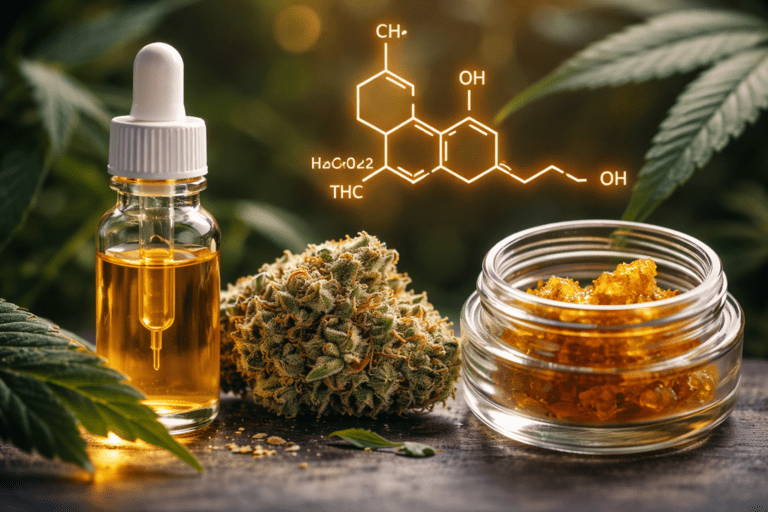
Cannabis extracts are concentrated products created by separating cannabinoids, terpenes, and other desirable compounds from raw cannabis plant material. The goal of extraction is to isolate the most active parts of the plant while removing excess plant matter.
Compared to traditional cannabis flower, extracts can contain significantly higher cannabinoid concentrations. While flower may commonly range between 15 and 30 percent THC, many concentrates exceed 60 or some even 90 percent THC.
However, potency alone does not define quality. Modern cannabis consumers increasingly pay attention to terpene preservation, cannabinoid diversity, flavor, extraction method, and overall experience rather than focusing purely on THC percentages.
Cannabis extracts generally fall into two major categories:
- Solvent-based extracts
- Solventless extracts
The distinction between these categories has become one of the defining topics of conversation in modern extract culture.
Solvent-Based vs Solventless Extracts
Solvent-based extracts rely on substances such as butane, propane, ethanol, or CO2 to separate cannabinoids and terpenes from cannabis material. When properly produced and lab tested, solvent-based extraction can create highly refined and terpene-rich products. Many of the most popular modern concentrates, including live resin and shatter, fall into this category.
Solventless extracts, on the other hand, use mechanical methods rather than chemical solvents. Ice water, heat, pressure, and filtration are typically used to separate resin glands from the plant material. Solventless products have exploded in popularity in recent years, especially among consumers seeking a more natural approach to concentrates.
Neither category is universally “better.” Each has advantages and limitations depending on the desired outcome, production scale, terpene retention, texture, and consumer preference.
Hash
Hashish, commonly known as hash, is one of the oldest cannabis concentrates in human history. Traditional hash has been produced for centuries across regions such as Morocco, Afghanistan, Nepal, India, and Lebanon.
Hash is created by separating and compressing trichomes, the resin glands found on cannabis flowers. These trichomes contain the majority of the plant’s cannabinoids and terpenes.
Traditional methods often involved dry sifting cannabis or hand-rubbing fresh plants to collect resin. Modern hash production has evolved considerably, but many traditional techniques remain highly respected today.
Hash typically produces a richer and heavier experience than flower, often accompanied by deep body effects and pronounced terpene profiles.
Bubble Hash
Bubble hash is a solventless extract made using ice water, agitation, and filtration bags with different micron sizes. During the process, frozen trichomes break away from the plant material and are collected through a series of mesh filters.
High-quality bubble hash can melt almost completely when heated, leading to the term “full melt hash.” Premium bubble hash is highly valued for preserving the original terpene profile of the cannabis strain.
In many ways, bubble hash represents the foundation of the modern solventless movement. It is also frequently used as the starting material for live rosin production.
Rosin
Rosin has become one of the defining products of the modern solventless market. Unlike hydrocarbon concentrates that rely on butane or propane, rosin is produced using only heat and pressure.
Cannabis flower, sift, or hash is placed in a press, where pressure and controlled heat force resinous oils from the material. The resulting extract often retains a strong terpene profile while avoiding chemical solvents.
Rosin can vary dramatically depending on the starting material, pressing temperature, and extraction technique. Hash rosin, which is made from bubble hash rather than flower, is widely considered the premium category within solventless concentrates.
The popularity of rosin has grown rapidly as consumers increasingly prioritize flavor, terpene preservation, and cleaner extraction methods.
Live Rosin
Live rosin takes the solventless concept even further. Instead of using dried and cured flower, producers use fresh frozen cannabis harvested at peak freshness.
The frozen material is first turned into bubble hash before being pressed into rosin. This process helps preserve volatile terpenes that may otherwise degrade during traditional drying and curing.
As a result, live rosin is often regarded as one of the most flavorful and aromatic cannabis products available today. It has become a flagship product in the premium concentrate market, particularly among experienced consumers and terpene-focused enthusiasts.
Shatter
Shatter is a solvent-based concentrate known for its brittle, glass-like appearance. It is commonly produced using butane extraction, which is why it is often categorized as BHO (butane hash oil).
When properly refined and purged, shatter can achieve extremely high cannabinoid concentrations while maintaining a stable consistency. Its transparent amber appearance became iconic during the early rise of modern dabbing culture.
Although newer textures like live resin and badder have become more popular in recent years, shatter remains an important part of cannabis concentrate history and is still widely available in many legal markets.
Wax
Wax is another hydrocarbon-based concentrate, but unlike shatter, it has a softer and more opaque texture. During production, the extract is agitated or whipped, introducing air into the concentrate and changing its consistency.
Wax often appears creamy, crumbly, or sticky, depending on the exact extraction and finishing process. Many consumers appreciate wax for its ease of handling and strong terpene expression.
The term “wax” is sometimes used broadly in cannabis culture, although it can technically describe several different concentrate textures.
Budder and Badder
Budder and badder are whipped concentrates with smooth, creamy textures that resemble butter or cake batter. These extracts are particularly popular among dab consumers because they are easy to handle and often contain rich terpene profiles.
The difference between budder and badder is usually subtle and often comes down to texture and consistency rather than major chemical differences.
Many modern live resin products are intentionally processed into a badder-style consistency because consumers prefer the texture to that of brittle concentrates like shatter.
Crumble
Crumble is a dry and porous cannabis concentrate that breaks apart easily. It is typically created through extraction and purging methods that remove more moisture from the final product.
Despite its dry appearance, crumble can still contain high cannabinoid concentrations and strong terpene content. Some consumers prefer crumble because it is easier to sprinkle into joints, bowls, or vaporizers.
Live Resin
Live resin became one of the most influential cannabis concentrates of the last decade. Unlike traditional extracts made from dried flower, live resin is produced using fresh frozen cannabis immediately after harvest.
Freezing the plant at peak freshness helps preserve volatile aromatic compounds that are often lost during drying and curing. This results in concentrates with exceptionally strong flavor and aroma profiles.
Live resin products are especially popular among consumers who prioritize terpene expression and strain-specific flavor experiences.
Today, live resin is commonly available in dab concentrates, vape cartridges, and infused cannabis products.
Sauce
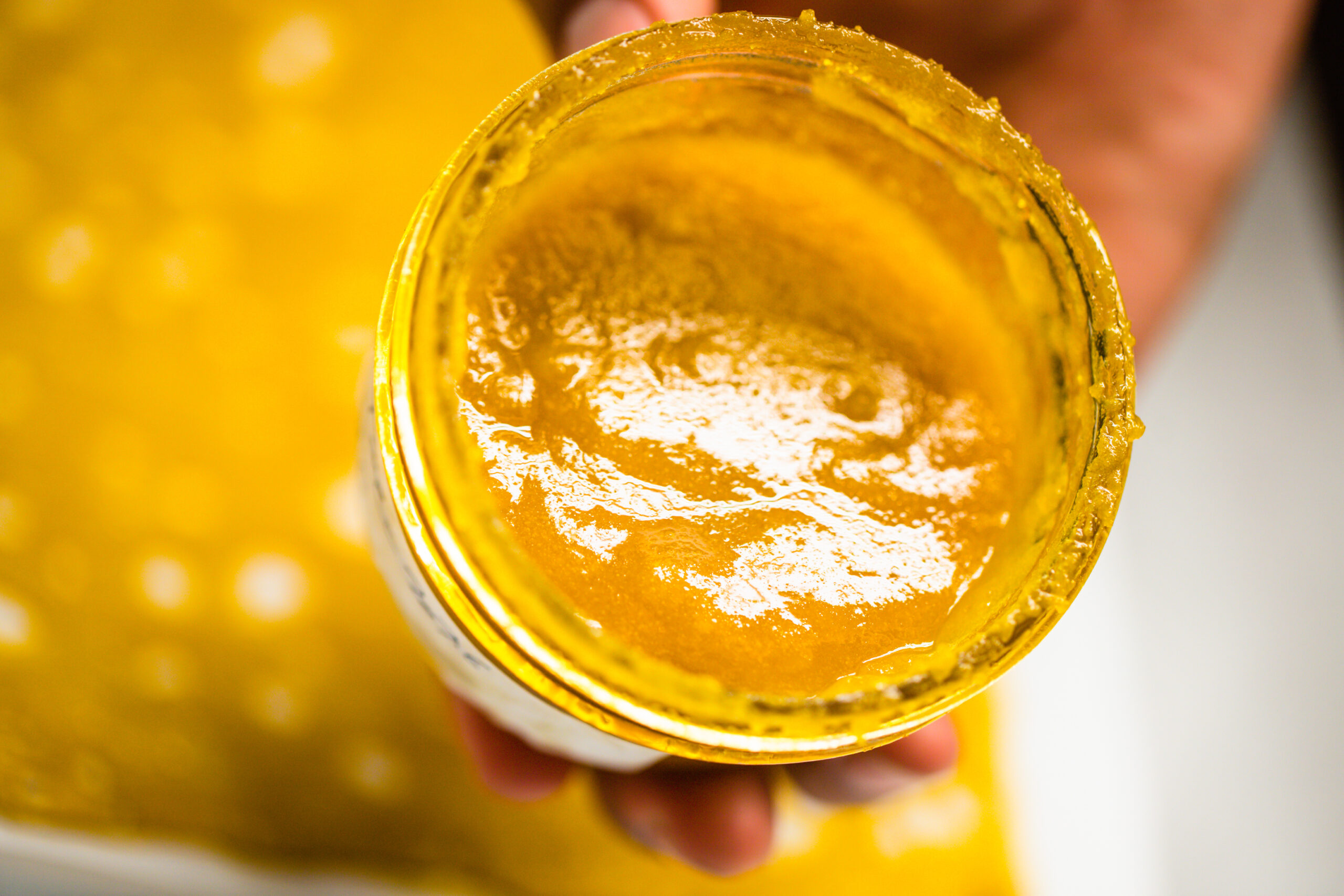
Cannabis sauce is a terpene-rich concentrate often characterized by a liquid or semi-liquid consistency. Sauce products frequently contain both cannabinoid crystals and terpene-heavy liquid fractions.
These extracts are highly aromatic and are often marketed toward experienced consumers seeking intense flavor profiles.
Sauce products also helped popularize the visual culture surrounding modern cannabis concentrates, especially when paired with THC diamonds.
THC Diamonds
THC diamonds are crystalline structures composed primarily of THCA, the non-psychoactive precursor to THC. When heated, THCA converts into THC through decarboxylation.
Diamonds are among the most potent cannabis products on the market and can exceed 95 percent cannabinoid purity in some cases.
While impressive in appearance and potency, diamonds are often paired with terpene-rich sauce to create a more balanced and flavorful experience.
Distillate
Distillate is one of the most refined cannabis extracts available. Through advanced distillation processes, producers isolate cannabinoids into highly concentrated oils.
THC distillate is commonly used in vape cartridges, edibles, tinctures, and infused products because of its versatility and potency.
However, distillate often lacks the natural terpene complexity found in full-spectrum extracts unless terpenes are later reintroduced.
This has led to ongoing debates within the cannabis industry about the differences between potency and full-spectrum effects.
CO2 Oil
CO2 extraction uses pressurized carbon dioxide to isolate cannabinoids and terpenes from cannabis material. For years, CO2 extraction was widely promoted as a cleaner alternative to hydrocarbon extraction.
CO2 oils became especially common in vape cartridges and medical cannabis products due to their scalability and relatively stable production process.
Although live resin and solventless products have gained significant popularity in recent years, CO2 extraction still plays an important role in the cannabis industry.
Rick Simpson Oil (RSO)
Rick Simpson Oil, often abbreviated as RSO, is a dark full-spectrum cannabis oil associated with medical cannabis culture.
RSO gained widespread attention after Canadian activist Rick Simpson publicly promoted the oil as part of his personal medical journey. Since then, the product has developed a loyal following among some medical cannabis patients.
However, it is important to approach health claims surrounding RSO carefully. While cannabis and cannabinoids continue to be researched for various therapeutic applications, many claims circulating online remain unproven or overstated.
Responsible medical cannabis discussions should always prioritize evidence-based information and professional medical guidance.
Dabbing Explained
Dabbing refers to the process of vaporizing cannabis concentrates using high temperatures. Traditional dab rigs resemble small water pipes equipped with heated surfaces called nails or bangers.
As concentrates evolved, so did dabbing technology. Modern consumers now use electronic rigs, portable vaporizers, temperature-controlled devices, and advanced quartz systems designed to optimize terpene preservation.
Temperature has become a major focus within concentrate culture. Lower temperatures are often preferred for preserving flavor and terpenes, while higher temperatures can produce stronger vapor production at the cost of flavor quality.
Potency and THC Percentages
One of the biggest misconceptions surrounding cannabis concentrates is the belief that higher THC percentages automatically mean better products.
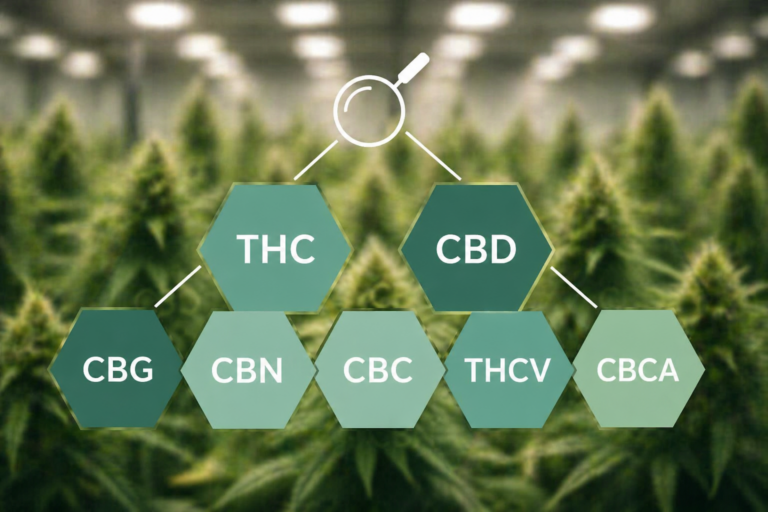
While extracts can contain extremely high cannabinoid concentrations, the overall experience depends on far more than potency alone. Terpenes, minor cannabinoids, extraction quality, freshness, and formulation all influence how a concentrate feels.
Many experienced consumers now prioritize flavor, terpene preservation, and overall effect profiles rather than chasing the highest possible THC numbers.
This shift has become especially noticeable in the growing solventless market.
Are Cannabis Extracts Safe?
Like all cannabis products, concentrates come with both benefits and risks.
Lab-tested products from regulated markets are generally considered safer than unregulated products, particularly regarding contaminants such as pesticides, heavy metals, residual solvents, and cutting agents.
The rise of illicit vape cartridges highlighted the importance of product transparency and testing standards across the cannabis industry.
Potency is another important consideration. High-THC concentrates can be overwhelming for inexperienced consumers and may increase the risk of anxiety, discomfort, or overconsumption.
Responsible dosing, proper sourcing, and product education remain essential.
Solvent vs Solventless: Which Is Better?
The debate between solvent-based and solventless extracts continues to shape modern cannabis culture.
Supporters of solventless concentrates often argue that products like live rosin provide a cleaner and more natural expression of the cannabis plant. Others point out that hydrocarbon extraction can preserve terpenes extremely effectively while offering greater consistency and scalability.
Ultimately, the “best” extract depends on personal preference, budget, desired effects, flavor priorities, and experience level.
Both categories continue to evolve rapidly as extraction technology advances.
How to Store Cannabis Extracts
Proper storage plays a major role in maintaining concentrate quality. Heat, oxygen, moisture, and light exposure can gradually degrade cannabinoids and terpenes over time.
Many concentrates are best stored in airtight glass containers in cool and dark environments. Certain terpene-rich extracts may also benefit from refrigeration depending on the consistency and intended storage duration.
Beginner Tips for Cannabis Concentrates
Cannabis concentrates can be significantly stronger than traditional flower, which is why beginners should approach them carefully.
Starting with very small amounts is usually recommended, especially for products like live resin, rosin, or THC diamonds. Consumers should also pay attention to extraction quality, lab testing, terpene content, and overall product transparency rather than focusing purely on THC percentages.
Understanding how different extracts are produced can help consumers make more informed decisions while navigating the increasingly complex world of cannabis concentrates.
The Future of Cannabis Extracts
Cannabis extraction technology continues to evolve rapidly. Solventless products have seen explosive growth in recent years, while terpene preservation and strain-specific experiences are becoming increasingly important to consumers.
At the same time, researchers and producers are exploring minor cannabinoids, precision formulations, and more advanced extraction techniques that may shape the future of both recreational and medical cannabis products.
As the cannabis industry matures, concentrates will likely remain one of the most innovative and influential sectors within modern cannabis culture.