How to Roll a Joint Properly (Step-by-Step Guide for Beginners)
Key Takeaways
- Rolling your own joint gives you better quality, control, and value compared to pre-rolls
- The most important factors are grind consistency, proper paper shaping, and even rolling pressure
- Using a filter tip improves airflow, stability, and overall smoking experience
- Most beginners struggle with shaping, not the rolling itself
- With a bit of practice, rolling becomes faster, cheaper, and more enjoyable than buying pre-rolls
Introduction
Rolling a joint is one of the most essential skills in cannabis culture — but it’s also one of the most misunderstood.
Many beginners struggle with loose joints, uneven burns, or poor airflow. The truth is, rolling isn’t difficult — it just requires understanding a few key fundamentals.
Once you get it right, you’ll not only improve your smoking experience but also save money and gain full control over what you’re consuming.
🎥 Watch: How to Roll a Joint (Step-by-Step)
To make things easier, here’s our original International Highlife tutorial showing the full process in real time:
Watching someone roll is often more helpful than reading about it. Pay attention to how the joint is shaped before rolling — that’s where most beginners go wrong.
What You Need to Roll a Joint
Before you start, make sure you have the basics:
- Cannabis (ground evenly)
- Rolling papers
- Filter tip (or alternative)
- Grinder
- Flat surface
Using proper tools — especially a grinder — will significantly improve your results.
Step-by-Step: How to Roll a Joint
1. Grind Your Cannabis Properly
Consistency is key.
Your weed should be:
- Not too fine (restricts airflow)
- Not too chunky (burns unevenly)
A medium, fluffy grind gives the best results.
2. Make a Filter Tip
The filter (also called a crutch) stabilizes the joint and improves airflow.
- Roll a small piece of cardboard into a cylinder
- Add a few folds at the start for structure
- Place it at one end of the paper
This creates a solid foundation for the rest of the joint.
Filter Tip Alternatives: Glass Tips & Activated Charcoal Filters
While cardboard tips are the standard, there are upgraded options that can noticeably improve your smoking experience.
Glass Tips
Glass tips are reusable and offer a more premium feel.
- Better airflow and stability
- Keeps the end of the joint cool and clean
- Reusable and more sustainable
They’re ideal if you roll frequently and want consistency.
Activated Charcoal Filters
Activated charcoal filters are designed to reduce harshness by filtering out certain particles from the smoke.
- Smoother, less irritating hits
- Can reduce some unwanted byproducts
- Slightly tighter airflow compared to regular tips
They’re especially popular in Europe and a solid option for a cleaner smoking experience.
Which One Should You Use?
- Beginners: cardboard tips (simple and effective)
- Regular smokers: glass tips for consistency
- Sensitive to harsh smoke: charcoal filters
It ultimately comes down to personal preference — but experimenting can significantly improve your sessions.
3. Fill and Distribute Evenly
Sprinkle your ground cannabis along the paper.
- Keep more material toward the middle
- Slightly taper toward the filter
- Avoid overpacking
You’re already shaping the joint at this stage.
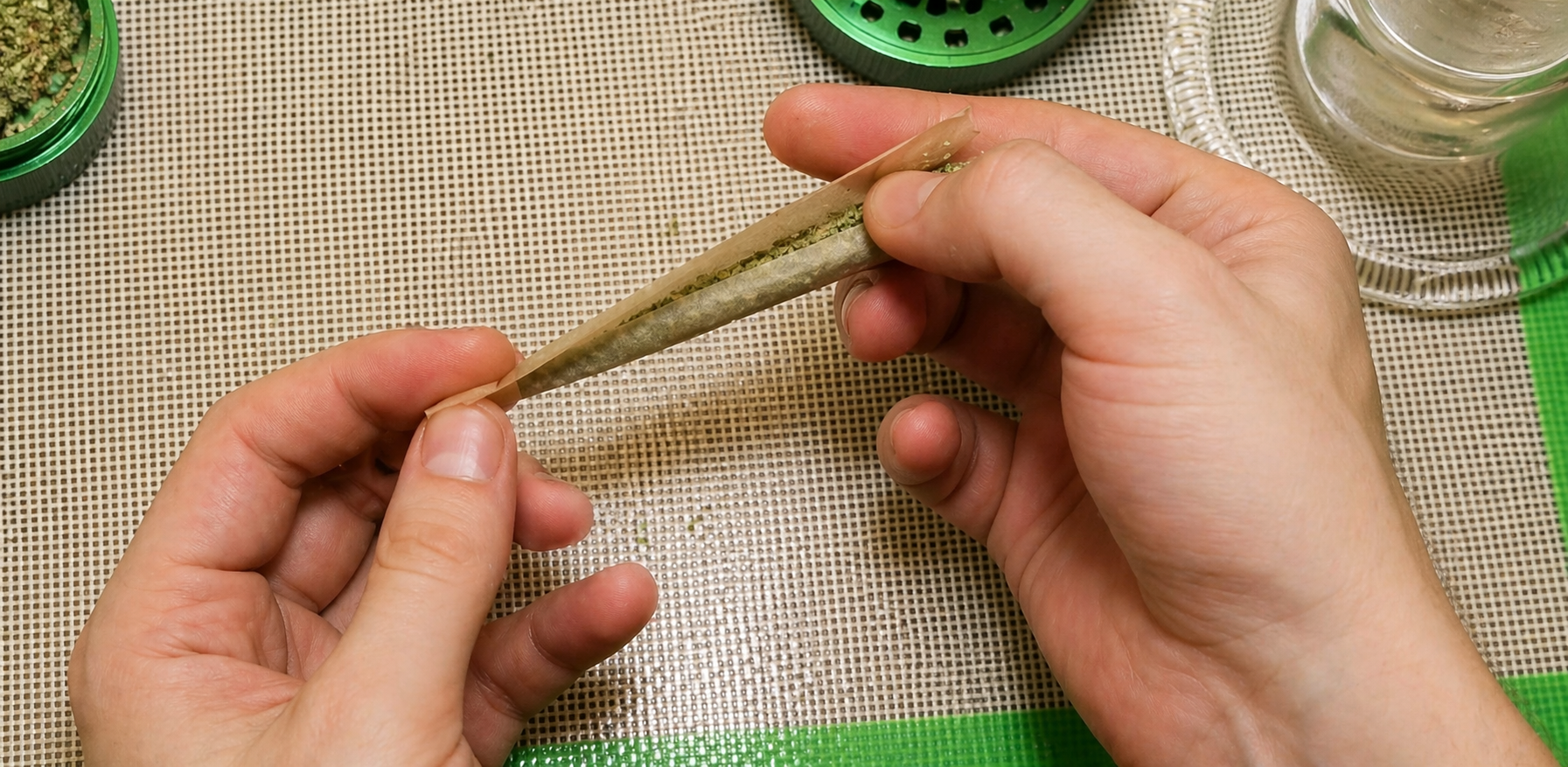
4. Shape the Joint
This is the most important step.
Use your fingers to gently roll the paper back and forth:
- Compress the weed evenly
- Form a consistent cylinder
- Remove air pockets
Skipping this step is the number one reason joints burn poorly.
5. Roll and Tuck
Once the shape feels right:
- Tuck the front edge of the paper around the weed
- Roll upward with even pressure
- Lick the glue strip and seal
Take your time — this step defines the final result.
6. Pack and Twist the Tip
After sealing:
- Gently tap the joint to settle the contents
- Add a bit more weed if needed
- Twist the open end
Your joint is now ready to smoke.
Common Mistakes Beginners Make
Overpacking
Too much weed blocks airflow and makes the joint hard to smoke.
Skipping the shaping step
Leads to loose joints and uneven burning.
Inconsistent grind
Results in poor airflow and canoeing.
Rolling too tight or too loose
Balance is essential for a smooth draw.
Why Rolling Your Own Is Better Than Pre-Rolls
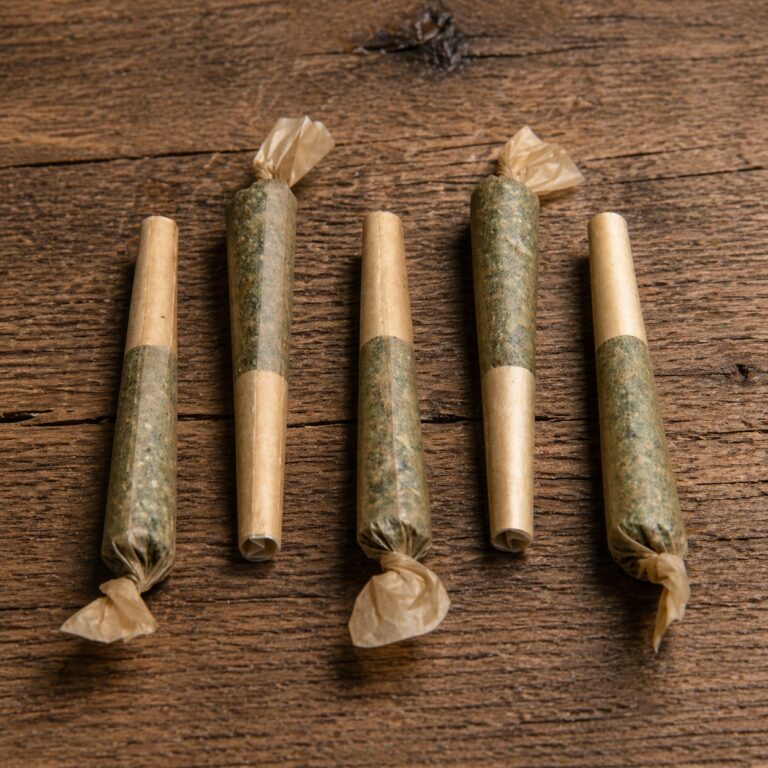
Pre-rolls are convenient, but they often come with downsides:
- Lower transparency in quality
- Often made from less desirable material
- More expensive over time
- Limited control over size and strength
Learning to roll your own gives you full control and typically a better overall experience.
Pro Tips to Improve Faster
- Start with smaller joints
- Focus on shaping before rolling
- Use quality papers and filters
- Practice regularly — muscle memory develops quickly
Most people improve significantly after just a few attempts.
Final Thoughts
Rolling a joint is a simple skill that adds a lot to your overall cannabis experience.
It gives you control, saves money, and becomes part of the ritual itself. Once you understand the fundamentals, it quickly becomes second nature.