
How to Make Cannabis Infused Honey at Home
Key Takeaways
- Cannabis infused honey is one of the most versatile and discreet edible infusions.
- Proper decarboxylation is essential before infusing cannabis into honey.
- Low-temperature infusions help preserve cannabinoids and terpenes.
- Raw honey and high-quality flowers usually produce better flavor and potency.
- Homemade cannabis honey can be used in tea, desserts, toast, drinks, and recipes.
- Proper dosing is critical because edibles often feel stronger and last longer than smoking.
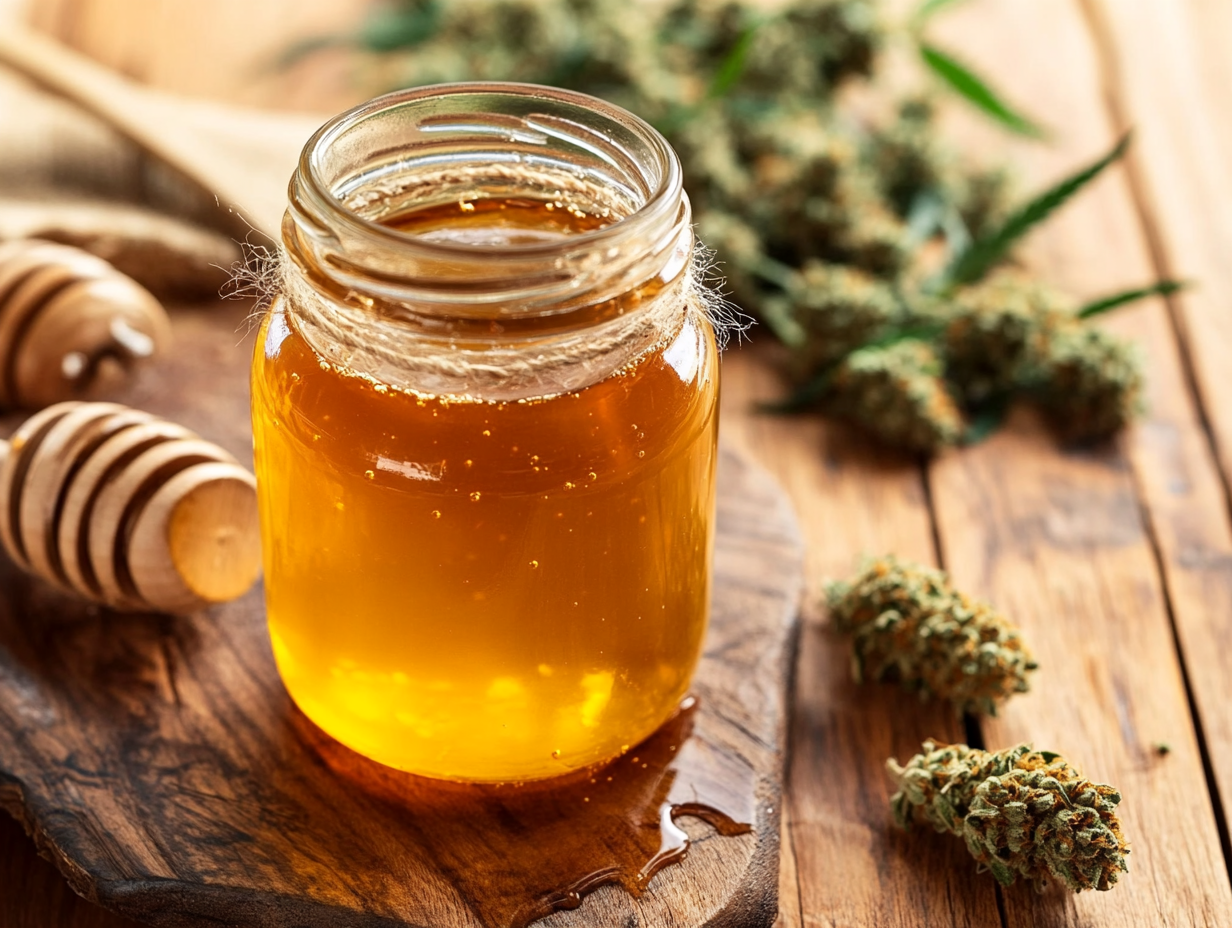
Cannabis infused honey is one of the simplest and most versatile ways to enjoy homemade edibles.
Unlike brownies, cookies, or heavily processed cannabis products, infused honey offers a more natural alternative that can integrate easily into everyday routines. Many consumers stir it into tea, drizzle it over breakfast, mix it into sauces, or use it as a sweetener in recipes and drinks.
Because honey already contains rich natural flavors, it also tends to mask the herbal taste of cannabis more effectively than many other edible bases.
Another major advantage is convenience. Cannabis honey stores well, requires relatively simple ingredients, and can be portioned gradually depending on personal tolerance and desired effects. Many consumers also prefer it because it feels lighter and more flexible than heavier baked edibles.
But despite its simplicity, several factors strongly influence the final quality and potency of infused honey.
The type of cannabis, the quality of honey, infusion temperature, decarboxylation process, and dosage calculations all play important roles in determining potency, flavor, and consistency.
This guide covers everything beginners need to know about making cannabis infused honey at home, including decarboxylation, infusion methods, dosing, storage, and common mistakes to avoid.
What Is Cannabis Infused Honey?
Cannabis infused honey is honey that has been infused with cannabinoids like THC and CBD.
Once cannabis has been properly decarboxylated, activated cannabinoids bind to fats and oils during infusion. Because honey itself contains very little fat, many edible makers add small amounts of coconut oil or lecithin during the process to improve cannabinoid binding and absorption.
The finished honey can then be used in:
- tea
- coffee
- smoothies
- toast
- desserts
- sauces
- yogurt
- baked goods
- homemade drinks
Compared to traditional baked edibles, cannabis honey often feels more flexible and easier to portion gradually.
Many consumers also prefer infused honey because it stores well and integrates naturally into everyday meals and beverages.
For readers new to homemade edibles, our cannabis edibles guide explores the broader fundamentals of cannabis cooking and infusion techniques.
Why Honey Works Well for Cannabis Infusions
Honey offers several advantages over traditional edible bases.
First, it is naturally flavorful and aromatic, which helps mask the herbal taste of cannabis more effectively than some oils or butter infusions.
Second, honey is extremely versatile. It can be:
- eaten directly
- stirred into drinks
- used in desserts
- incorporated into sauces and dressings
- combined with wellness products
Many consumers also appreciate that honey feels lighter and more natural than heavily processed foods.
Raw honey itself contains:
- antioxidants
- enzymes
- trace nutrients
- antibacterial properties
Although it is still important to remember that honey remains high in sugar despite its natural origin.
Darker honey varieties like buckwheat honey often provide richer flavors, while lighter honey types create milder and more neutral infusions.
Choosing the Right Cannabis and Honey
The quality of both cannabis and honey significantly affects the final flavor and potency.
Best Cannabis for Honey Infusions
Different cannabis strains may produce very different experiences.
Many consumers choose:
- sativa strains for more energizing effects
- indica strains for relaxation
- hybrid strains for balanced experiences
Both the flower and the trim can work for honey infusions, although the flower generally produces stronger, cleaner-tasting results.
CBD-rich cannabis can also be used for non-intoxicating wellness-focused honey infusions.
For readers interested in differences between cannabinoids, our THC and CBD guides explain how these compounds influence the experience.
Best Honey for Cannabis Infusions
Raw, unfiltered honey is usually preferred because it retains more natural flavor and nutrients.
Organic honey may also help avoid:
- pesticides
- additives
- artificial processing
Lighter honey varieties create a subtler cannabis flavor, while darker honey often produces richer, more noticeable edible profiles.
The final choice usually depends on:
- personal taste
- recipe type
- desired flavor intensity
Decarboxylation: The Most Important Step
Before cannabis can properly infuse into honey, it first needs to be decarboxylated.
Raw cannabis flower primarily contains THCA rather than psychoactive THC. Decarboxylation activates cannabinoids through heat.
During decarboxylation:
Without proper decarboxylation, infused honey may feel significantly weaker than expected.
Most edible makers decarb cannabis between 220°F and 240°F while carefully avoiding excessive heat that may damage cannabinoids and terpenes.
Lower temperatures generally help preserve terpenes, the aromatic compounds responsible for cannabis flavor and part of the overall experience.
Ingredients and Equipment
Making cannabis infused honey requires relatively simple equipment.
Most beginners already have everything necessary in their kitchen.
Basic Ingredients
- 1 cup honey
- 7 to 10 grams of decarboxylated cannabis
- 1 tablespoon coconut oil (optional)
- lecithin (optional)
Some edible makers add coconut oil because cannabinoids bind far more effectively to fats than honey alone.
Lecithin may also help improve consistency and cannabinoid distribution.
Recommended Equipment
- saucepan or double boiler
- slow cooker (optional)
- cheesecloth or fine mesh strainer
- airtight glass jar
- thermometer
- baking tray
- parchment paper
Maintaining low temperatures is especially important when working with honey because excessive heat may damage both cannabinoids and honey quality.
How to Make Cannabis Infused Honey: Step-by-Step
Step 1: Decarb the Cannabis
Before infusion, cannabis should first be properly decarboxylated.
Break the flower into smaller pieces, spread it evenly on a parchment-lined baking tray, and heat it slowly until lightly toasted and dry.
Avoid over-grinding, as fine cannabis particles can intensify plant flavors in the finished honey.
Step 2: Heat the Honey Slowly
Add the honey to a double boiler or slow cooker over low heat.
Most cannabis cooks try to keep temperatures below roughly 200°F to help preserve cannabinoids, terpenes, and the natural qualities of the honey.
The honey should warm gradually without boiling aggressively.
Step 3: Add the Cannabis
Once the honey has warmed, stir in the decarboxylated cannabis slowly.
Many edible makers also add small amounts of coconut oil during this stage to improve cannabinoid binding and absorption.
Slow infusions lasting several hours usually produce the best results.
Gentle stirring occasionally helps improve consistency throughout the infusion.
Step 4: Strain the Honey
After infusion, strain the honey carefully through cheesecloth or a fine mesh filter into a clean glass jar.
Avoid squeezing the plant material too aggressively because this may release excess bitterness and chlorophyll into the honey.
The remaining cannabis material usually contains minimal cannabinoids after proper infusion.
Step 5: Cool and Store
Allow the infused honey to cool fully before storage.
Most cannabis honey can be stored safely at room temperature in airtight containers away from:
- heat
- moisture
- direct sunlight
Dark glass jars may help preserve freshness and potency over longer periods.
Slow Cooker Cannabis Honey
Slow cookers remain one of the easiest methods for beginners.
Because slow cookers maintain stable low temperatures, they reduce the risk of overheating cannabinoids and honey.
Many edible makers allow slow-cooker infusions to run for four to six hours, with occasional stirring throughout the process.
This method is especially popular among consumers looking for:
- simplicity
- low maintenance infusion
- larger batch preparation
Double Boiler Cannabis Honey
Double-boiler setups provide more direct temperature control than standard stovetop methods.
This approach helps prevent honey from overheating while allowing gradual infusion.
Many experienced edible makers prefer double boilers because they reduce the risk of scorching and maintain more stable temperatures throughout the process.
Why Some Recipes Add Coconut Oil or Lecithin
Because cannabinoids bind far more effectively to fats than honey itself, some recipes include small amounts of coconut oil during infusion.
This may help:
- improve cannabinoid binding
- increase potency
- create more even distribution
Lecithin is another common addition.
It acts as an emulsifier that helps combine fats and water-based ingredients more evenly.
Some edible makers also believe lecithin may improve cannabinoid absorption and create more consistent dosing throughout recipes.
Sunflower lecithin and soy lecithin remain the most common options used in cannabis cooking.
How Potent Is Homemade Cannabis Honey?
The potency of homemade cannabis honey depends on:
- THC percentage
- cannabis quantity
- infusion quality
- decarboxylation efficiency
- honey quantity
For example, using 10 grams of cannabis testing at 15% THC theoretically contains:
Assuming roughly 70% extraction efficiency:
If using one cup of honey containing approximately 48 teaspoons:
For beginners, this would already be considered a relatively strong edible dose.
This is why new batches should always be tested carefully with very small servings first.
For more detailed potency calculations, read our cannabis edible dosage guide.
How to Make Cannabis Honey Less Potent
Not everyone wants extremely strong edibles.
Many consumers intentionally create milder cannabis honey to improve dosing consistency and reduce the risk of overwhelming psychoactive effects.
Several factors influence potency:
- cannabis quantity
- THC percentage
- infusion duration
- honey quantity
Using more honey with smaller amounts of cannabis generally creates weaker infusions that may be easier to dose accurately.
Lower-dose cannabis honey is especially useful for:
- beginners
- daytime use
- microdosing
- wellness-oriented applications
Does Cannabis Honey Taste Like Weed?
Most cannabis honey still contains at least some herbal cannabis flavor, although the intensity varies significantly depending on:
- cannabis quality
- terpene profile
- infusion temperature
- straining quality
- honey type
Raw honey naturally masks cannabis flavor better than many other edible bases.
Darker honey varieties often blend particularly well with earthy cannabis notes.
Avoiding excessive heat and straining carefully may also help reduce bitterness and chlorophyll flavor.
How to Use Cannabis Honey
Cannabis infused honey can be used in a surprisingly wide variety of recipes and drinks.
Popular uses include:
- tea
- coffee
- smoothies
- yogurt
- toast
- oatmeal
- desserts
- cocktails
- sauces
- baked goods
Some consumers even take small spoonful doses directly for microdosing or wellness-oriented routines.
Because cannabis honey is relatively easy to portion, many people find it more manageable than stronger baked edibles.
How to Store Cannabis Honey Properly
Proper storage helps preserve freshness, potency, and flavor.
Cannabis honey should generally be stored in airtight containers away from:
- sunlight
- moisture
- excessive heat
Most infused honey remains stable for months when stored properly at room temperature.
Dark glass containers may help reduce light exposure and preserve cannabinoids more effectively over time.
Some separation may occur naturally during storage, so gentle stirring before use can help improve consistency.
Labeling is also extremely important, especially in households with children, pets, or guests who may accidentally consume infused products.
Common Cannabis Honey Mistakes
Many weak or unpleasant cannabis honey infusions can be traced back to a few common mistakes.
Skipping decarboxylation is one of the biggest issues because inactive THCA produces far weaker edible effects.
Overheating honey is another major problem. Excessive temperatures may damage cannabinoids, destroy terpenes, and alter honey quality.
Some beginners also underestimate edible potency entirely. Cannabis honey can become surprisingly strong even when using moderate amounts of flower.
Improper straining may also lead to greater bitterness and unwanted plant flavors in the final product.
Finally, many consumers fail to calculate dosage carefully before using infused honey in recipes or drinks.
Conclusion
Cannabis infused honey remains one of the most versatile, discreet, and beginner-friendly cannabis infusions available.
Whether used in tea, desserts, breakfast recipes, or wellness-focused routines, infused honey offers a flexible alternative to traditional baked edibles and processed cannabis products.
By combining proper decarboxylation, careful temperature control, and thoughtful dosing, homemade cannabis honey can become an easy and enjoyable addition to homemade cannabis cooking.
Once mastered, cannabis honey opens the door to everything from microdosing and infused drinks to advanced edible recipes and cannabis wellness products.