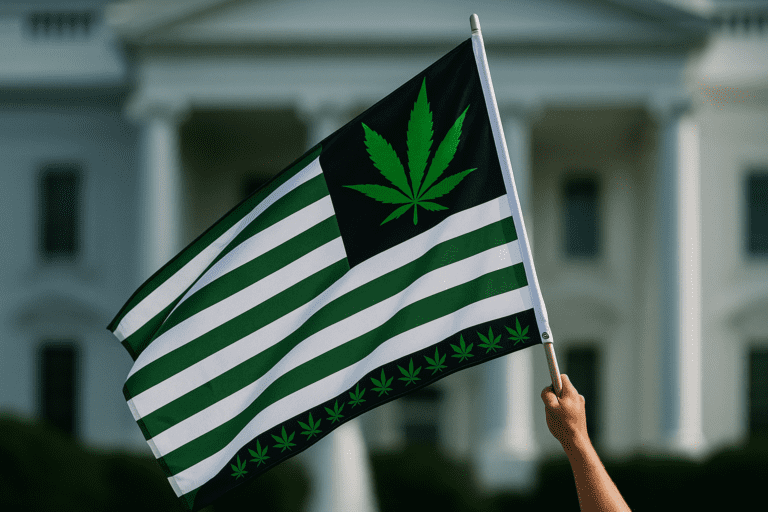
Cannabis Rescheduling Officially Announced in the U.S. — What Just Changed
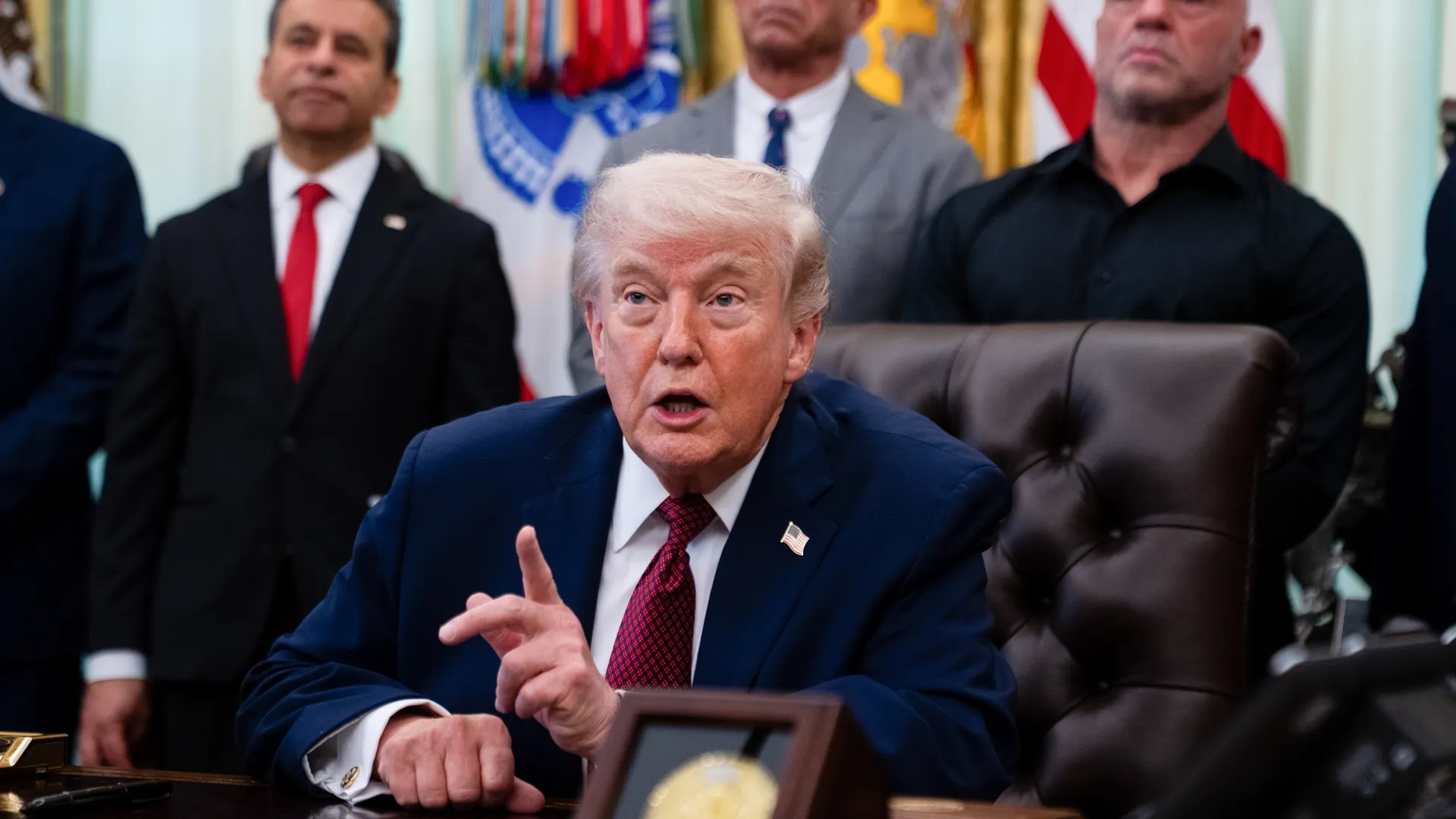
Key Takeaways
- The U.S. government has officially announced plans to reschedule cannabis
- The move would shift cannabis from Schedule I to Schedule III under federal law
- This marks the most significant federal cannabis reform in decades
- Major tax benefits for cannabis businesses are now within reach
- Despite the shift, cannabis remains federally controlled and not fully legal
The Announcement Is Official
After months of speculation, internal pressure, and accelerating timelines, the U.S. government has now officially announced the federal rescheduling of cannabis.
According to reports, the Department of Justice is moving forward with the process to reclassify cannabis from Schedule I to Schedule III under the Controlled Substances Act — a shift that would fundamentally change how cannabis is treated at the federal level.
This marks a turning point that the industry has been waiting for years.
What Exactly Was Announced
The announcement confirms that the federal government is actively proceeding with cannabis rescheduling — following the executive push to review its classification.
While the move itself still involves regulatory steps, the direction is now clear:
Cannabis is no longer being treated as a Schedule I substance in policy planning.
Instead, it is being positioned alongside substances with recognized medical use under Schedule III.
Why This Is a Historic Shift
Cannabis has been classified as a Schedule I drug for decades, placing it in the same category as substances considered to have no accepted medical use and a high potential for abuse.
Moving it to Schedule III signals a fundamental shift in federal perception.
This change reflects:
- Recognition of medical use
- Increased acceptance at the federal level
- Alignment with broader state-level legalization trends
- What Changes Immediately
The most important impact is financial.
If implemented, the move to Schedule III would effectively eliminate Section 280E, allowing cannabis businesses to deduct normal operating expenses.
For the industry, this means:
- Higher profitability
- Increased investment potential
- Improved long-term sustainability
Beyond taxes, the announcement also:
- Boosts market confidence
- Strengthens institutional interest
- Accelerates industry momentum
What Does NOT Change (Important)
Despite the headlines, cannabis is still not federally legal.
Even after rescheduling:
- Cannabis remains a controlled substance
- Interstate commerce remains restricted
- Federal legalization has not been achieved
- Banking challenges are only partially addressed
This is progress — but it is not the end of prohibition.
What Happens Next
The announcement is a major step — but not the final one.
Next stages may include:
- Formal rulemaking procedures
- Potential legal challenges
- Final implementation timelines
In other words: The decision is made — but the process is still unfolding.
A Defining Moment for the Industry
This announcement marks the clearest signal yet that U.S. cannabis policy is shifting at the federal level.
For years, rescheduling was discussed as a possibility.
Now, it is officially in motion.
The real impact will be defined by what happens next — and how far this shift ultimately goes.
Part of a Larger Series
This article continues our cannabis rescheduling coverage:
- Part 1: What’s Expected — and How Realistic It Is
- Part 2: Why the Industry Is Divided
- Part 3: Who Wins, Who Loses, and What Comes Next
We will continue updating this series as the situation develops.