Czech Scientists Create Blood Plasma from Hemp Seeds
Key Takeaways
- Czech scientists are developing a potential blood plasma substitute using edestin, a protein naturally found in hemp seeds.
- The research aims to help address global shortages of human blood plasma used in hospitals and emergency medicine.
- A hemp-derived plasma alternative could potentially be produced at scale without relying on human donors.
- The project is currently in the preclinical stage and has not yet been approved for human use.
- The discovery highlights another promising medical application of hemp beyond cannabinoids like THC and CBD.
A protein hidden inside hemp seeds could one day save lives.
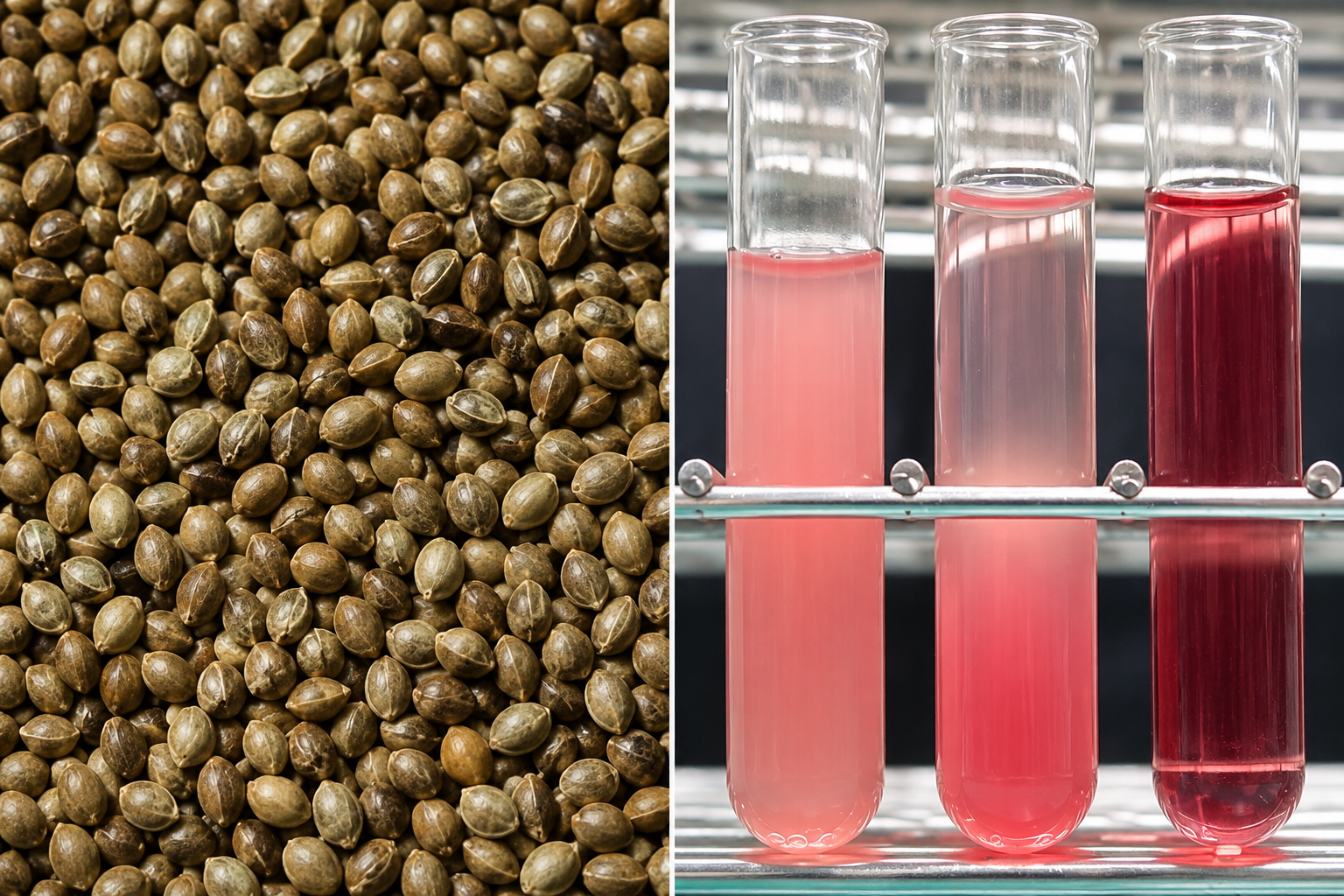
Researchers in the Czech Republic are developing a groundbreaking blood plasma substitute made from edestin, a naturally occurring protein found in hemp seeds. While the project is still in the preclinical stage, the concept has already attracted international attention because it could potentially address one of healthcare’s biggest challenges: the global shortage of blood plasma.
For cannabis advocates, it’s yet another reminder that the plant’s value extends far beyond cannabinoids like THC and CBD.
What Exactly Is Blood Plasma?
Blood plasma is the pale-yellow liquid that makes up around 55% of human blood. It transports proteins, nutrients, hormones, and other vital substances throughout the body.
Hospitals rely heavily on plasma during:
- Severe blood loss
- Major surgeries
- Burn treatments
- Trauma care
- Various medical conditions require plasma proteins
The problem? Plasma can only be obtained from human donors, leading to persistent supply shortages worldwide. Estimates suggest that demand significantly exceeds available supply in many regions.
The Hemp Connection
The Czech project centers around edestin, a storage protein naturally found in hemp seeds.
Scientists believe edestin possesses several characteristics that make it an interesting candidate for a plasma substitute. The protein’s structure appears highly compatible with mammalian biology, prompting researchers to investigate whether it could mimic some functions traditionally performed by human plasma proteins.
The concept is not entirely new. Czech researchers have been studying the medical potential of hemp-derived edestin for decades, and a patent covering its use as a blood plasma substitute was granted in 2008.
Why This Could Be a Big Deal
If researchers can successfully develop a safe and effective plasma substitute from hemp, the advantages could be enormous.
Unlike donated human plasma, a hemp-derived alternative could potentially be:
- Produced on a large scale
- Less dependent on donor availability
- Easier to store and transport
- More accessible in developing countries
- Free from many supply-chain limitations associated with human donations
The Czech startup behind the initiative, Plasma for People, believes the technology could eventually provide a low-cost, plant-based solution for emergency medicine and healthcare systems worldwide.
Where Does the Research Stand Today?
Before anyone gets too excited, it’s important to understand that this is not yet an approved medical product.
According to project updates, the technology is currently in the preclinical phase. Researchers report successful animal testing and hold intellectual property related to the production process, but human clinical trials still need to be completed before any real-world medical use becomes possible.
In other words, hemp plasma isn’t showing up in hospitals next year.
But the science is progressing.
Another Example of Hemp’s Hidden Potential
When most people think of cannabis, they think of THC, CBD, or recreational use.
Yet hemp continues to surprise researchers with its versatility.
The plant is already used for:
- Food products
- Protein powders
- Textiles
- Building materials
- Bioplastics
- Biofuels
- Medical research
Now researchers are exploring whether a protein found inside hemp seeds could one day help address a global healthcare challenge.
That’s a pretty remarkable journey for a plant that many countries spent decades trying to eradicate.
The Bottom Line
Czech scientists are developing a blood plasma substitute derived from edestin, a protein found in hemp seeds. While the technology remains in the research stage, early findings have generated significant interest due to its potential to reduce reliance on donated human plasma and improve access to lifesaving treatments worldwide.
Whether hemp plasma ultimately reaches hospitals remains to be seen.
But once again, cannabis is proving that we’ve only scratched the surface of what this plant may be capable of.