Cannabis Recalled After THC and CBD Values Were Swapped
Key Takeaways
- A cannabis recall in Ontario affects one lot of OVERTIME Punch Out dried flower.
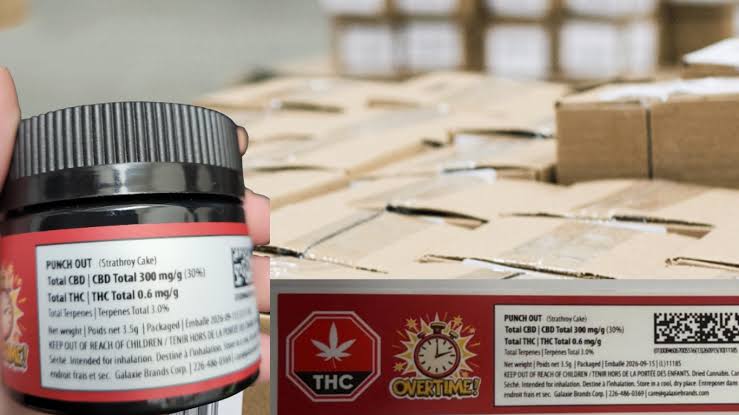
- The packaging reversed the total THC and CBD figures, making high-THC flower appear CBD-dominant.
- The affected product is the 3.5-gram package bearing lot number 11185.
- No complaints or adverse reactions had been reported as of the October 21 recall notice.
- Consumers should check the lot number and contact their retailer about returning affected packages.
A cannabis label is supposed to help you understand what you are buying. In this case, it described almost the opposite.
An Ontario cannabis recall involves flower labeled as containing 30% CBD, even though the product actually contained 30% total THC. According to Health Canada’s recall notice, the two cannabinoid values had been switched.
For someone choosing cannabis based on its CBD content or trying to limit THC, that error could fundamentally change what they expected from the product.
Which Cannabis Product Was Recalled
Galaxie Brands Corporation recalled OVERTIME Punch Out dried cannabis flower, lot 11185, in 3.5-gram packages with a packaging date of September 15, 2026. Authorized Ontario retailers sold 1,320 units between September 16 and October 16. Health Canada published the notice on October 21, 2026.
Why Swapping THC and CBD Matters
THC and CBD are both cannabinoids, but they can lead to very different expectations. THC produces the intoxicating effects associated with cannabis. CBD does not produce that high, although it still affects the body and brain. Health Canada’s label guide explains this distinction, which we also cover in our guide to the differences between THC and CBD.
A person reading the incorrect figures could reasonably expect a product with very little intoxicating potential. That makes the accuracy of these particular numbers especially important.
There is also useful context about the product itself: Galaxie Brands markets Punch Out as high-THC flower. The manufacturer currently lists a THC range of 27–33% on its website. The recall concerns incorrect information on a particular batch’s packaging.
Someone unexpectedly consuming THC can experience anxiety, dizziness, a racing heart, or impaired attention. Health Canada notes that responses vary between individuals and that serious effects can include extreme confusion and hallucinations. These are potential effects of cannabis use, rather than reported outcomes from this recalled lot.
What Total THC Means on a Cannabis Label
The word “total” matters here.
For dried flower, Canada’s labeling rules define total THC as the concentration the material could yield when the potential conversion of THCA into THC is taken into account. Total CBD similarly accounts for the potential conversion of CBDA into CBD. These values are expressed in milligrams per gram.
That conversion is part of decarboxylation, the process through which heat activates cannabinoids.
A concentration of 300 mg/g equals 30% by weight. It reflects the flower’s potential cannabinoid content. The amount a person actually absorbs depends on how much they use and how they consume it; inhalation technique and losses during smoking also affect delivery.
For consumers comparing products, the practical point is that the cannabinoid name, the number and the unit all need to be read together.
Why Cannabis Label Accuracy Deserves Attention
Labels are part of the information people use to decide whether a product suits them and how cautiously to approach it. A clear label can only serve that purpose if its figures accurately describe the contents.
Canada’s packaging guidance places responsibility for compliance on license holders. Health Canada also states that it does not review or pre-approve individual cannabis packages and labels. That makes accurate testing, correct labeling, and effective producer checks essential parts of the system.
Separate research illustrates why the subject deserves continued scrutiny. A study published in Cannabis and Cannabinoid Research on September 17, 2026 examined 265 flower products purchased from 59 licensed dispensaries in Colorado. Only 51.7% had measured THC concentrations within the study’s accuracy threshold of 15% above or below the labeled value. The products were purchased between November 2022 and March 2025.
Those findings concern a different market and a different type of labeling discrepancy. They nevertheless raise a relevant consumer question: how reliably do the numbers on a package describe the cannabis inside?
What Buyers Should Do
Check the product name, package size, and lot number against the official notice. Health Canada advises contacting the store where you purchased the product about returns and reporting health or safety concerns through its Cannabis Reporting Form.
If cannabis use leaves you feeling unwell, seek medical advice or contact a poison center. For a medical emergency, such as trouble breathing, chest pain or loss of consciousness, call 911 in Canada.
The wider issue is consumer choice. Some people seek high-THC flower; others deliberately look for very little THC. Reliable cannabinoid information allows each person to make that decision for themselves.
How much do you trust the THC and CBD numbers on your cannabis packaging? Let us know in the comments.