Psychedelic Research Gets Boost After Trump Signs New Order
Key Takeaways
- Trump reportedly signed an order aimed at reducing barriers to psychedelic research
- Substances like LSD and psilocybin remain federally restricted
- Researchers have long argued that regulations slow down clinical progress
- Interest in psychedelics for mental health treatment continues to grow
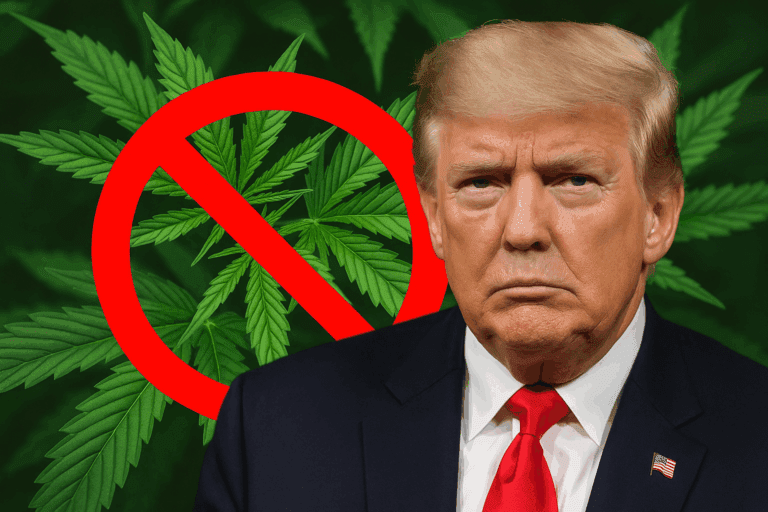
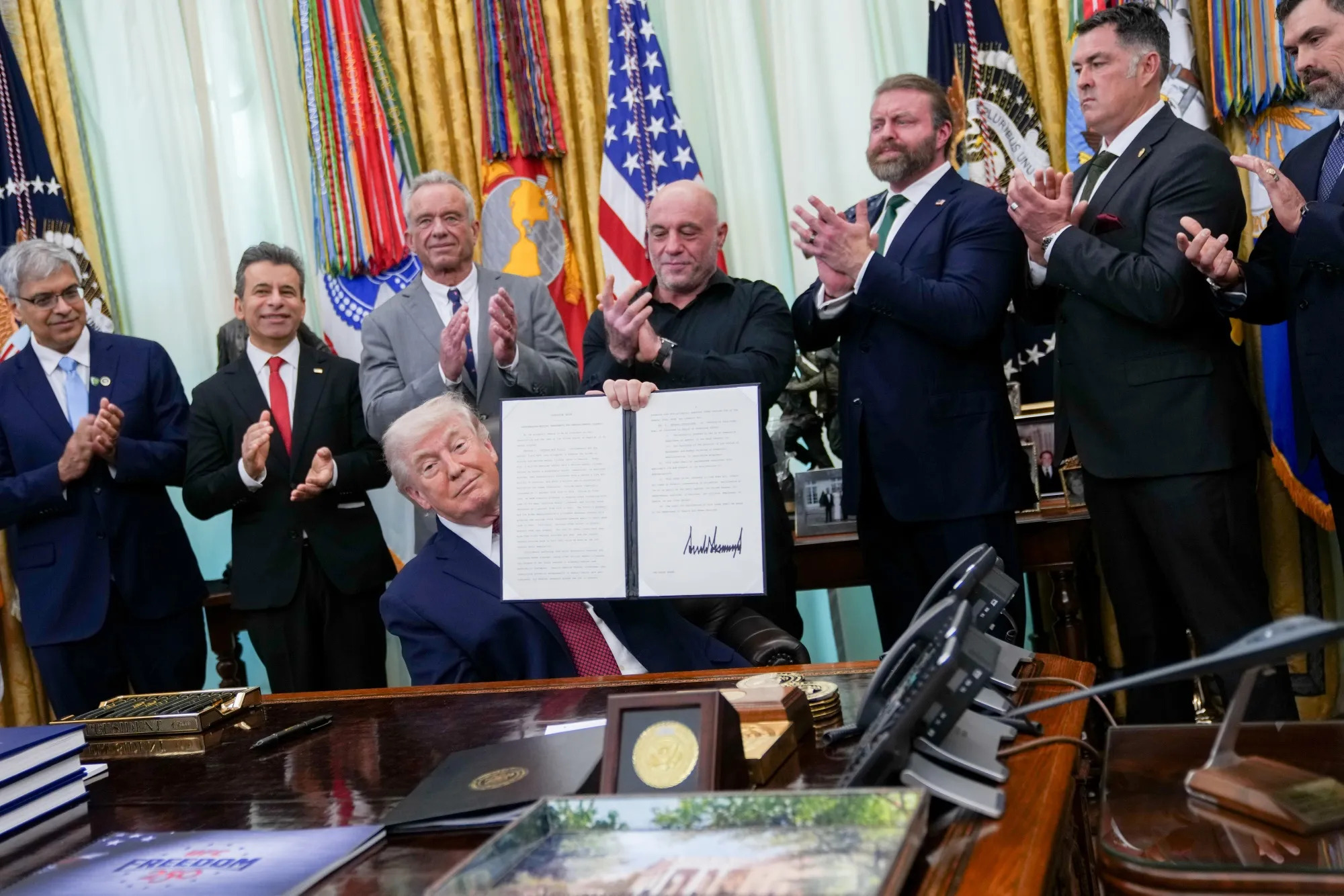
A new policy move in the United States is drawing attention across the scientific and cannabis-adjacent communities. According to emerging reports, former President Donald Trump has signed a measure aimed at loosening restrictions on psychedelic research, potentially opening the door for expanded studies into substances like LSD and psilocybin.
While details of the order remain limited, the core objective appears to focus on reducing administrative and regulatory barriers that have historically made psychedelic research difficult in the United States.
Why Psychedelic Research Has Been Restricted
For decades, substances such as LSD and psilocybin have been classified under Schedule I of the Controlled Substances Act, placing them in the same category as drugs considered to have no accepted medical use and a high potential for abuse.
This classification has long been criticized by researchers, who argue that it creates unnecessary obstacles for conducting clinical trials. Strict licensing requirements, limited access to research-grade substances, and extensive approval processes have slowed down progress in a field that is increasingly gaining scientific credibility.
In recent years, however, psychedelics have experienced a resurgence in medical research. Studies conducted at institutions like Johns Hopkins University and Imperial College London have explored the potential of psilocybin-assisted therapy for conditions such as depression, anxiety, PTSD, and addiction. Early findings have shown promising results, particularly in treatment-resistant cases.
What This Policy Shift Could Mean
The reported shift in US policy could signal a broader change in how federal authorities approach these substances. Rather than focusing solely on prohibition, the emphasis may be moving toward controlled research and potential therapeutic applications.
However, it is important to note that easing research restrictions does not equate to legalization. Psychedelics remain illegal for recreational use under federal law, and any changes introduced by the order are likely to apply strictly to scientific and medical contexts.
Skepticism also remains. Policy announcements around psychedelics have historically been complex, and real-world impact often depends on how agencies like the FDA and DEA implement such changes. Without concrete adjustments to scheduling or licensing frameworks, the practical effect of the order may be limited.
Still, if the measure leads to faster approvals and improved access for researchers, it could accelerate an already growing field. With increasing public interest and ongoing clinical trials, psychedelics are steadily moving from the margins of science toward mainstream medical discussion.
For now, the situation remains fluid. But one thing is clear: the conversation around psychedelics in the United States is evolving, and policy is beginning to follow.