Medical Cannabis 101: Everything Patients Should Know
Key Takeaways
- Medical cannabis refers to the therapeutic use of cannabis and cannabinoids such as THC and CBD for certain health conditions.
- THC and CBD interact differently with the body’s endocannabinoid system and may produce different therapeutic effects.
- Research surrounding medical cannabis has expanded rapidly in areas like chronic pain, epilepsy, sleep disorders, inflammation, PTSD, and anxiety.
- Medical cannabis laws vary significantly between countries and U.S. states, with some regions requiring physician approval or medical cannabis cards.
- While medical cannabis shows therapeutic potential, patients should rely on evidence-based information, regulated products, and professional medical guidance.
Medical cannabis may feel like a modern healthcare trend, but the relationship between humans and cannabis medicine stretches back thousands of years. Historical records suggest that cannabis was used in various traditional medical systems across ancient China, India, the Middle East, Africa, and later Europe long before modern pharmaceutical industries existed.
For centuries, cannabis preparations were explored for issues involving pain, inflammation, sleep, digestion, muscle spasms, and other conditions. In the 19th and early 20th centuries, cannabis extracts and tinctures could even be found in pharmacies and medical publications across parts of Europe and North America.
That relationship changed dramatically during the 20th century. Political campaigns, prohibition movements, social stigma, and international drug policies pushed cannabis out of mainstream medicine for decades. Research became heavily restricted in many countries, making large-scale scientific studies extremely difficult. As a result, cannabis developed a controversial reputation that often blurred the line between political narratives, recreational culture, and legitimate medical discussion.
Over the last two decades, however, public perception surrounding medical cannabis has shifted significantly. Legalization movements, patient advocacy, expanding cannabinoid research, and growing dissatisfaction with certain conventional treatments have all contributed to renewed scientific and medical interest in cannabis.
Today, the cannabis plant is being studied across a wide range of fields, including chronic pain, epilepsy, inflammation, PTSD, anxiety, sleep disorders, neurodegenerative diseases, and supportive cancer care. Countries like Canada and Germany have expanded medical cannabis systems, while dozens of U.S. states now allow regulated access to medical cannabis products.
At the same time, medical cannabis remains one of the most misunderstood areas of modern healthcare.
Some advocates describe cannabis as a revolutionary natural medicine capable of transforming healthcare entirely, while critics argue that many claims surrounding cannabis remain exaggerated or insufficiently supported by evidence. The reality is far more complex.
Cannabis is not a single uniform medication that affects every patient in the same way. The effects of medical cannabis can vary dramatically depending on cannabinoid ratios, terpene profiles, dosage, potency, tolerance, genetics, age, metabolism, consumption method, and individual biology. Two products with similar THC percentages may produce completely different experiences depending on their chemical composition and delivery method.
This complexity is one of the biggest challenges facing both researchers and patients today. Unlike many pharmaceutical drugs built around single active compounds, cannabis contains hundreds of interacting compounds that may influence each other in ways science is still trying to fully understand.
As research continues to evolve, medical cannabis is increasingly moving away from simplistic stereotypes and toward a more nuanced discussion centered around evidence, product quality, patient safety, cannabinoid science, and individualized treatment approaches.
This guide explores how medical cannabis works, its historical roots, the conditions commonly associated with cannabinoid therapy, the potential benefits and risks, and what patients should understand before considering medical marijuana products.
A Brief History of Medical Cannabis
The medical use of cannabis predates modern medicine by centuries and possibly even millennia. Ancient Chinese medical texts often referenced cannabis preparations, while traditional Indian Ayurvedic medicine incorporated cannabis into certain therapeutic practices as early as several thousand years ago.
Historical records also suggest cannabis was used in parts of the Middle East, Africa, and ancient Greece for a variety of purposes involving pain, inflammation, digestive issues, and relaxation.
By the 1800s, cannabis tinctures and extracts had become increasingly common in parts of Europe and North America. Physicians and pharmacists experimented with cannabis-based preparations for conditions ranging from pain and migraines to sleep disorders and muscle spasms.
However, attitudes toward cannabis shifted dramatically during the 20th century. Anti-cannabis campaigns, racialized propaganda, prohibition policies, and international drug treaties helped criminalize cannabis across much of the world. Scientific research became heavily restricted, and cannabis largely disappeared from mainstream medicine for decades.
The modern medical cannabis movement began re-emerging in the late 20th century, particularly as patients with cancer, HIV/AIDS, epilepsy, chronic pain, and neurological conditions pushed for expanded access to cannabinoid-based therapies.
One of the biggest scientific breakthroughs came with the discovery of the endocannabinoid system in the 1990s, which fundamentally changed how researchers understood the interaction between cannabinoids and the human body.
Since then, medical cannabis research has expanded rapidly, although many questions still remain unanswered due to decades of limited clinical research and inconsistent regulations.
What Is Medical Cannabis?
Medical cannabis refers to the therapeutic use of cannabis or cannabis-derived compounds to help manage certain symptoms or medical conditions. Unlike recreational cannabis use, which primarily focuses on intoxication or leisure, medical cannabis is generally used with symptom relief, treatment support, or quality-of-life improvement in mind.
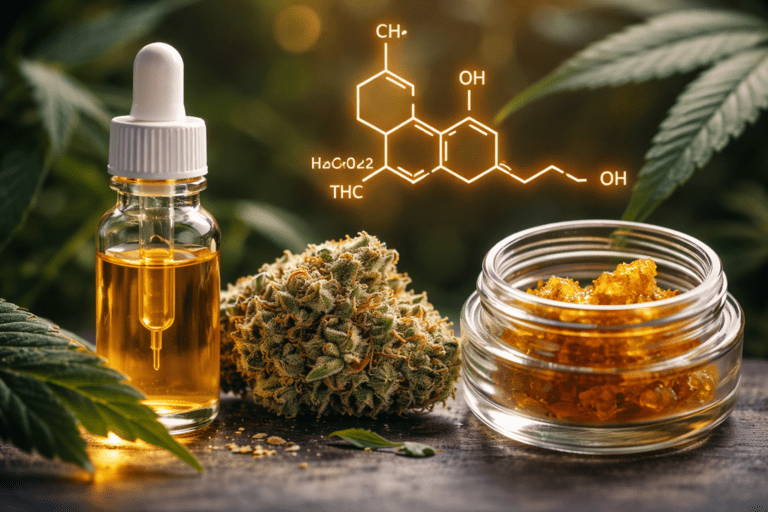
Cannabis contains hundreds of naturally occurring compounds, but cannabinoids are the most widely studied. Among them, THC and CBD receive the most attention due to their interactions with the body’s endocannabinoid system.
THC, or tetrahydrocannabinol, is the primary psychoactive compound in cannabis. It is responsible for the intoxicating “high” associated with marijuana but is also studied for potential therapeutic effects involving pain, nausea, appetite stimulation, and sleep.
CBD, or cannabidiol, does not produce the same intoxicating effects as THC and has become particularly popular in wellness and medical discussions. Researchers continue to study CBD for its potential role in inflammation, anxiety, epilepsy, and neurological conditions.
Medical cannabis products can take many forms, including:
- Dried flower
- Oils and tinctures
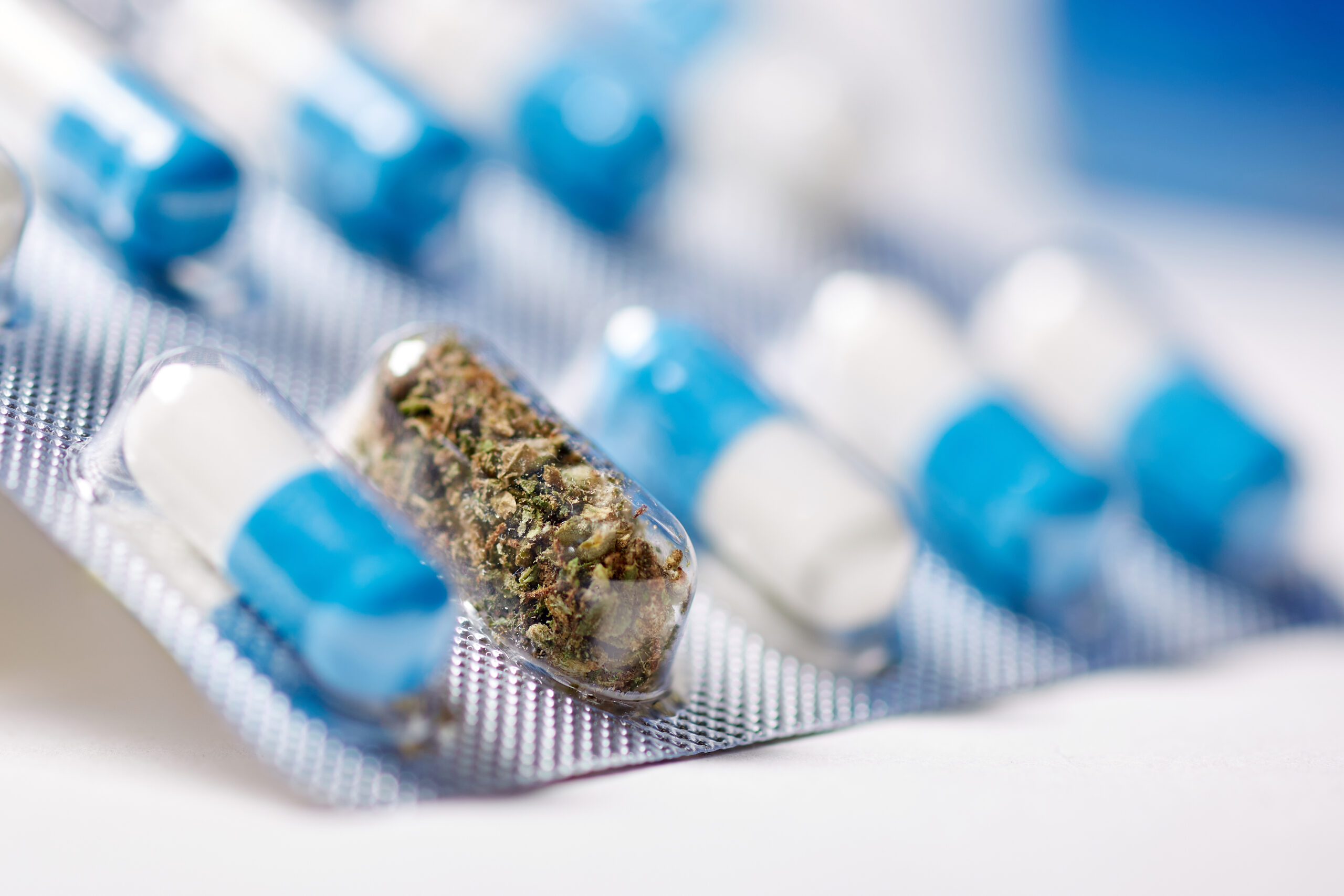
- Capsules
- Edibles
- Vape cartridges
- Topicals
- Concentrates
- Pharmaceutical cannabinoid medications
The growing diversity of cannabis products has made education increasingly important for patients navigating the modern cannabis market.
How Medical Cannabis Works
To understand medical cannabis, it is important to understand the endocannabinoid system, often abbreviated as the ECS. The ECS is a complex signaling system found throughout the human body and plays a role in maintaining internal balance, also known as homeostasis.
The system includes cannabinoid receptors, signaling molecules called endocannabinoids, and enzymes that help regulate these compounds. The two primary receptors associated with cannabis are CB1 and CB2 receptors.
CB1 receptors are found primarily in the brain and central nervous system. They are closely linked to mood, memory, appetite, pain perception, coordination, and psychoactive effects.
CB2 receptors are more commonly associated with immune-related processes and inflammation.
Cannabinoids from cannabis interact with these receptors in different ways. THC binds relatively strongly to CB1 receptors, producing both psychoactive and therapeutic effects. CBD interacts more indirectly with the ECS and may influence several additional signaling pathways throughout the body.
Researchers believe the ECS may influence many physiological functions, including:
- Pain perception
- Sleep
- Stress response
- Appetite
- Mood regulation
- Immune activity
- Memory
- Inflammation
Although scientific understanding continues to evolve, the ECS has become one of the most important biological systems in modern cannabinoid research.
THC vs CBD in Medical Cannabis
THC and CBD are often discussed together, but they behave very differently within the body.
THC is psychoactive and may produce euphoria, altered sensory perception, increased appetite, and sedation. In medical settings, THC is commonly associated with pain management, nausea reduction, appetite stimulation, and sleep support.
Some patients report that THC helps improve quality of life during cancer treatment or chronic pain management. However, higher doses can also increase the risk of anxiety, paranoia, dizziness, or cognitive impairment in certain individuals.
CBD, by contrast, does not produce the same intoxicating effects. Research involving CBD has grown significantly in recent years, particularly in areas involving epilepsy, inflammation, anxiety, and neurological disorders.
One of the most notable developments came with Epidiolex, a CBD-based medication approved for certain seizure disorders.
Many modern medical cannabis products combine THC and CBD in different ratios depending on the intended use. Some patients prefer balanced cannabinoid formulations to potentially reduce the intensity of THC while still benefiting from the entourage effect.
Conditions Commonly Associated With Medical Cannabis
Medical cannabis is currently used or studied for a wide variety of conditions, although the level of scientific evidence varies considerably between them.
Chronic Pain
Chronic pain is one of the most common reasons patients seek medical cannabis. Neuropathic pain, inflammatory pain, and pain associated with certain medical conditions are frequently discussed within cannabinoid research.
Some patients report that cannabis helps reduce reliance on opioid medications, although researchers continue to study long-term outcomes and effectiveness.
Pain management remains one of the strongest drivers of medical cannabis legalization worldwide.
Many athletes and physically active consumers have also shown increasing interest in cannabinoids for recovery, inflammation, sleep support, and pain management. In professional sports, cannabis discussions have evolved significantly over the last decade, particularly as some organizations reduced penalties surrounding cannabis use.
However, research involving cannabinoids and athletic recovery is still developing, and product quality, dosage, and consumption methods remain important considerations.
Epilepsy
Epilepsy became one of the most influential medical cannabis topics after CBD-based treatments demonstrated promising results in certain severe seizure disorders.
One of the most significant developments was the introduction of Epidiolex, a prescription medication containing purified cannabidiol (CBD) developed by GW Pharmaceuticals. Unlike many over-the-counter CBD products, Epidiolex is a standardized pharmaceutical formulation that underwent large-scale clinical testing before receiving FDA approval for certain rare seizure disorders, including Dravet syndrome and Lennox-Gastaut syndrome.
Importantly, Epidiolex is not considered a synthetic cannabinoid. Its active ingredient is plant-derived CBD, highly purified and manufactured to pharmaceutical-grade standards to ensure consistency, dosage accuracy, and quality control.
The approval of Epidiolex marked a major milestone for cannabinoid medicine because it demonstrated that cannabis-derived compounds could successfully move through modern pharmaceutical and regulatory systems.
At the same time, Epidiolex also highlighted one of the biggest challenges in medical cannabis: standardization. While pharmaceutical cannabinoid products aim for consistency and precise dosing, many cannabis products on the broader market can vary dramatically in cannabinoid content, terpene composition, potency, purity, and overall effects.
One of the most controversial aspects surrounding Epidiolex is its cost. Compared to many over-the-counter CBD products, Epidiolex can be dramatically more expensive, especially for patients without strong insurance coverage.
The medication is manufactured under pharmaceutical-grade standards with highly purified, standardized CBD concentrations and extensive clinical testing. Those factors significantly increase development and production costs compared to the largely unregulated CBD market.
Depending on dosage, patient weight, insurance coverage, and country, treatment costs for Epidiolex can range from several thousand dollars per year to substantially higher figures in severe epilepsy cases. By comparison, many retail CBD oils sold online or in wellness stores may cost anywhere from $30 to a few hundred dollars per bottle.
However, the comparison is not entirely straightforward.
Unlike most commercial CBD products, Epidiolex underwent large-scale clinical trials, received FDA approval for specific seizure disorders, and adheres to strict pharmaceutical manufacturing standards for purity, consistency, dosage accuracy, and quality control. Many over-the-counter CBD products vary significantly in potency, cannabinoid content, terpene composition, and testing reliability.
The pricing discussion surrounding Epidiolex also reflects a broader debate within medical cannabis. Some critics argue that pharmaceutical cannabinoid products may become inaccessible for many patients due to high costs, while others believe pharmaceutical-grade standardization is necessary for cannabis to be fully integrated into modern medicine.
As cannabinoid research and regulation continue evolving, the balance between accessibility, affordability, pharmaceutical oversight, and natural cannabis products will likely remain one of the defining discussions in the future of medical cannabis.
Although not all forms of epilepsy respond similarly, cannabinoid-based seizure research continues to expand rapidly.
Anxiety and Stress
Cannabis and anxiety have a complicated relationship. Some individuals report that cannabinoids help reduce stress or promote relaxation, while others experience increased anxiety or paranoia, particularly with high-THC products.
CBD has become a major focus within anxiety-related cannabinoid research due to its non-intoxicating profile. However, research is still evolving, and responses can vary dramatically between individuals.
Factors such as dosage, terpene profile, tolerance, and individual biology may all influence outcomes.
ADHD
Cannabis and ADHD remain highly debated topics within both medical and scientific communities. Some individuals report that certain cannabis products help with relaxation, sleep, emotional regulation, or racing thoughts, while others experience worsened focus, motivation, or memory impairment.
At the moment, scientific evidence surrounding cannabis and ADHD remains limited and mixed. Researchers continue studying how cannabinoids may influence attention, dopamine signaling, anxiety, impulsivity, and executive function.
Because responses can vary significantly between individuals, medical supervision and cautious dosing remain especially important in this area.
Sleep Disorders
Sleep support is another major reason many people explore medical cannabis products. Some cannabinoids may help reduce sleep latency or improve relaxation before bed.
However, cannabis and sleep research remain nuanced. While certain products may help some users fall asleep faster, heavy long-term use may also affect sleep architecture and REM cycles in some individuals.
Different cannabinoids and terpene profiles may also produce very different effects on sleep quality.
PTSD
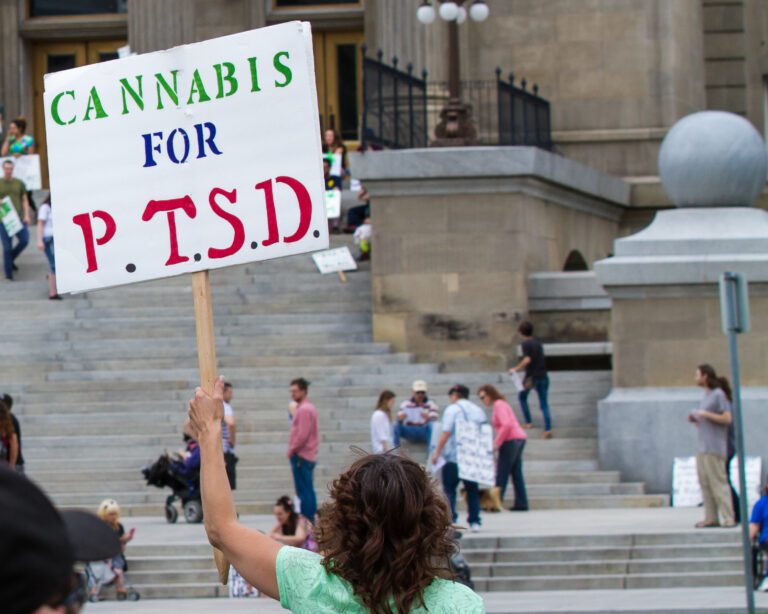
Post-traumatic stress disorder has become a growing area of interest within medical cannabis research, particularly among military veterans and trauma patients.
Some individuals report improvements in sleep quality, nightmares, and anxiety symptoms. However, research remains ongoing, and cannabis may not be appropriate for every patient or every form of trauma-related disorder.
Mental health treatment should always involve professional guidance and individualized care.
Cancer-Related Symptoms
Cannabis is often discussed in relation to cancer-related symptom management rather than cancer treatment itself.
Patients undergoing chemotherapy sometimes use cannabinoid products to help manage nausea, appetite loss, pain, or sleep disruption. THC-based medications have been used medically for nausea support for decades.
It is extremely important to separate evidence-based symptom management discussions from unsupported claims suggesting cannabis can cure cancer.
Responsible medical cannabis education requires careful attention to scientific accuracy.
Multiple Sclerosis
Cannabinoids have also been studied in relation to muscle spasticity and symptom management in multiple sclerosis patients.
Some cannabinoid-based medications developed internationally specifically target MS-related symptoms, although availability varies between countries.
Medical Cannabis and Chronic Pain
The relationship between cannabis and pain management has become one of the central discussions in modern cannabinoid medicine.
Pain is incredibly complex and influenced by neurological, inflammatory, emotional, and environmental factors. Because cannabinoids interact with pain-related signaling pathways, researchers continue exploring how cannabis compounds may influence certain types of chronic pain.
Neuropathic pain, in particular, has become a major focus in medical cannabis studies.
At the same time, experts continue debating important questions regarding dosage, long-term safety, dependency risk, and standardization. Unlike many traditional pharmaceuticals, cannabis products can vary significantly in cannabinoid composition, terpene profiles, potency, and delivery methods.
This variability makes personalized treatment approaches especially important.
Risks and Side Effects
Although medical cannabis may offer therapeutic potential for some individuals, it is not risk-free.
Potential side effects can include:
- Anxiety
- Dizziness
- Dry mouth
- Sedation
- Increased heart rate
- Cognitive impairment
- Short-term memory issues
- Dependency risk
- Impaired driving ability
Higher THC products can sometimes produce overwhelming effects when inexperienced consumers begin with doses that are too strong. Starting slowly and gradually increasing dosage over time may help reduce the likelihood of anxiety, dizziness, paranoia, or uncomfortable experiences.
Experts also continue to caution against heavy cannabis use during adolescence due to the ongoing development of the brain and nervous system.
Product quality is another critical factor. Medical cannabis products should ideally come from regulated and lab-tested sources to reduce risks involving contaminants, pesticides, heavy metals, mold, residual solvents, or inaccurate potency labeling.
For patients exploring medical cannabis, product transparency and education matter significantly. Regulated dispensaries and established educational platforms such as Leafly and Weedmaps are commonly used by consumers seeking product information, reviews, and strain data, although patients should still verify information with healthcare professionals whenever possible.
Drug interactions are another important consideration. Cannabinoids may interact with certain medications, which is why medical supervision remains important.
Balanced discussions about both benefits and risks are essential for responsible cannabis education.
Methods of Medical Cannabis Consumption
Medical cannabis products are available in many forms, each with different onset times, durations, and dosing characteristics.
While smoking cannabis remains common among both recreational and medical users, many healthcare professionals and researchers increasingly focus on alternative delivery methods that may allow more precise dosing and potentially reduce exposure to combustion byproducts.
Vaporization has become one of the most popular alternatives because it heats cannabis without fully combusting the plant material. Some patients prefer vaporizers for symptom relief while avoiding some of the harmful compounds associated with smoke inhalation.
Edibles, capsules, and tinctures are also widely used in medical cannabis programs because they can provide longer-lasting effects and more controlled dosing. However, edible products may take significantly longer to produce effects, which increases the importance of cautious dosing and patient education.
Topicals and transdermal products are increasingly explored for localized applications involving muscles, joints, and inflammation.
The ideal consumption method often depends on the condition being addressed, the desired onset time, dosage control, patient tolerance, and overall medical goals.
Full Spectrum vs. Isolate
Modern medical cannabis discussions increasingly focus on formulation quality rather than just THC percentages.
Full-spectrum cannabis products contain multiple cannabinoids, terpenes, and plant compounds working together. Some researchers and consumers believe this combination may enhance therapeutic effects through the entourage effect.
Broad-spectrum products contain multiple cannabinoids but remove THC.
Isolate products contain purified cannabinoids, such as CBD isolate, without additional cannabis compounds.
The debate over full-spectrum versus isolate products continues, but many patients and clinicians are increasingly paying attention to terpene and cannabinoid diversity rather than focusing on single compounds.
What Is a Medical Cannabis Card?
In many U.S. states, patients require medical cannabis cards or physician recommendations to legally access medical marijuana products.
Programs vary heavily depending on location. Some states maintain highly regulated systems with approved qualifying conditions, physician oversight, purchase limits, and dispensary licensing requirements.
Other countries approach medical cannabis differently. Canada, Germany, Australia, Switzerland, and several European nations have all developed unique regulatory frameworks.
As legalization expands globally, patient access systems continue evolving rapidly.
Is Medical Cannabis Legal?
Medical cannabis laws vary dramatically around the world.
Canada legalized cannabis nationally, while Germany recently expanded cannabis reforms alongside its medical system. Switzerland continues operating pilot programs and medical access pathways, while Thailand briefly became one of the most cannabis-friendly countries in Asia before tightening regulations again.
In the United States, federal cannabis prohibition still conflicts with state-level legalization systems, creating one of the most complex cannabis regulatory environments globally.
Because laws change frequently, patients should always verify local regulations before purchasing or using cannabis products.
Medical Cannabis Research: What Science Says
Scientific research surrounding medical cannabis has grown rapidly over the last decade, but major limitations still exist.
For many years, prohibition severely restricted large-scale cannabis studies in multiple countries. As regulations loosen, researchers now have greater opportunities to investigate cannabinoids, dosing, safety, terpene interactions, and long-term outcomes.
Some therapeutic areas currently have stronger evidence than others. Conditions such as chronic pain, chemotherapy-induced nausea, epilepsy, and spasticity have received relatively significant attention.
Other claims circulating online remain poorly supported or heavily overstated.
One of the biggest challenges in cannabis research is standardization. Cannabis products can vary dramatically in potency, cannabinoid ratios, terpene profiles, extraction methods, and delivery systems.
This complexity makes cannabis far more difficult to study than single-molecule pharmaceutical drugs.
Still, the pace of cannabinoid research continues to accelerate worldwide.
Medical Cannabis, Rescheduling, and the Future of Research
Medical cannabis may be entering one of the most important transitional periods in modern cannabis history.
As of May 2026, the future of cannabis regulation in the United States remains highly uncertain, particularly regarding federal rescheduling discussions and broader reform efforts. For decades, cannabis prohibition created major barriers for researchers, universities, medical institutions, and pharmaceutical companies attempting to study cannabinoids in large-scale clinical settings.
Many scientists, physicians, and industry experts believe that potential rescheduling changes could significantly expand cannabis research opportunities in the coming years. Easier access for researchers may help accelerate studies involving chronic pain, sleep disorders, PTSD, inflammation, epilepsy, neurodegenerative diseases, and cannabinoid-based pharmaceuticals.
At the same time, major questions remain unanswered. Researchers are still working to better understand long-term cannabinoid use, dosage standardization, terpene interactions, patient-specific responses, and the differences between medical and recreational consumption patterns.
The future medical cannabis market may also look very different from today’s industry. Precision cannabinoid formulations, pharmaceutical-grade extracts, terpene-targeted therapies, and non-intoxicating cannabis compounds are already becoming major areas of interest.
However, even as legalization expands, experts continue warning that product quality, regulation, testing standards, and patient education will remain critical. Medical cannabis products should ideally come from regulated and lab-tested sources to reduce risks involving contaminants, pesticides, heavy metals, mold, residual solvents, or inaccurate potency labeling.
This becomes especially important for medical patients with chronic illnesses or weakened immune systems, where product purity and consistency matter significantly more than in casual recreational use.
The conversation around medical cannabis is also evolving beyond smoking. While some patients continue using cannabis flower traditionally, many healthcare professionals and researchers increasingly focus on alternatives such as vaporization, tinctures, capsules, oils, topicals, and carefully dosed edible products that may offer more consistent and medically controlled experiences.
For inexperienced consumers, experts generally recommend avoiding high doses of THC, especially when first exploring cannabis products. Starting with low doses and gradually increasing over time may help reduce the likelihood of unpleasant experiences such as anxiety, dizziness, paranoia, or overconsumption.
Age also remains an important factor in medical cannabis discussions. Most experts caution against heavy cannabis use during adolescence due to the ongoing development of the brain and nervous system.
As research continues to evolve, medical cannabis will likely remain one of the most closely watched areas in healthcare, neuroscience, and public policy over the next decade.
This article will continue to be updated as new studies, regulations, and developments in medical cannabis emerge.