The Entourage Effect Explained: How Cannabis Compounds Work Together
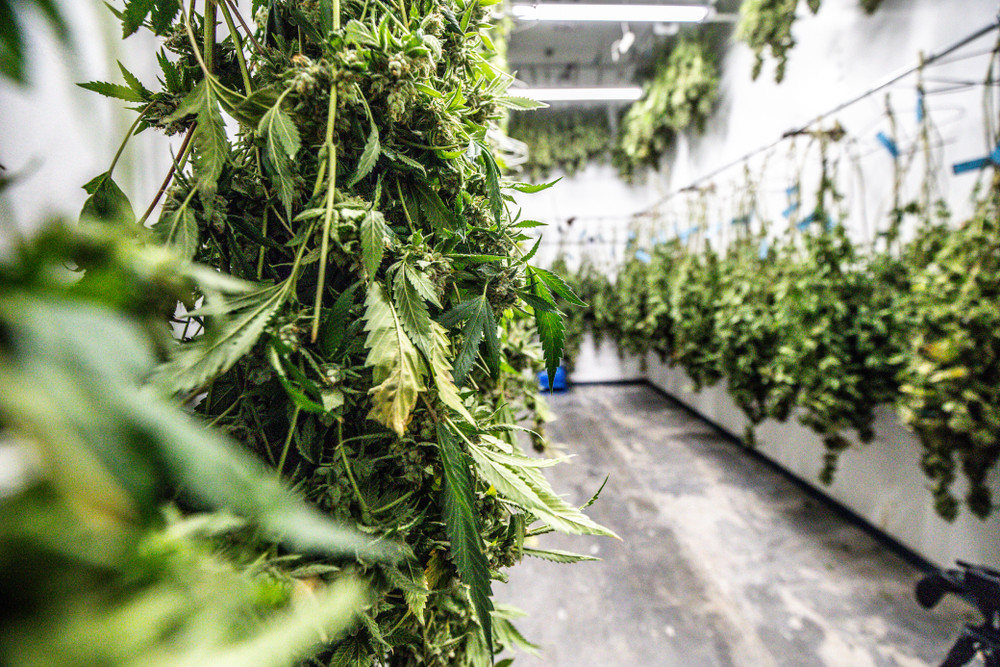
Cannabis is often reduced to THC percentages, but that only tells a small part of the story. Behind every strain or product is a complex mix of cannabinoids, terpenes, and other compounds that interact with each other in ways that directly influence how cannabis feels.
This interaction is known as the entourage effect. It’s one of the key concepts for understanding why two products with similar THC levels can produce completely different experiences.
What Is the Entourage Effect
The entourage effect describes how the different compounds in cannabis work together rather than acting independently. Rather than acting on their own, THC and CBD are influenced by the presence of other cannabinoids and terpenes.
This creates a combined effect that can feel more balanced, more nuanced, or simply different compared to isolated compounds. In practical terms, it means that the overall profile of a product matters more than any single number on the label.
The Role of Cannabinoids
Cannabinoids are the core active compounds in cannabis, and they form the foundation of the entourage effect.
THC is responsible for the psychoactive high, while CBD is often associated with more balancing or moderating effects. Beyond these two, there are dozens of minor cannabinoids such as CBG, CBN, and CBC, each contributing subtle changes to the overall experience.
These compounds interact with the body’s endocannabinoid system, but their behavior is not fixed. The presence of other cannabinoids can influence how strong, how long, or how smooth the effects feel.
How Terpenes Shape the Experience
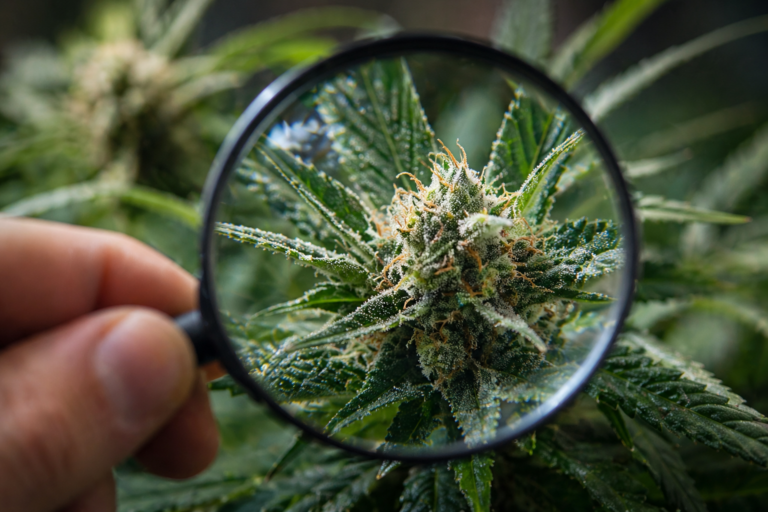
Terpenes are often introduced as flavor and aroma compounds, but their role goes beyond that. They can influence how cannabis feels by interacting with cannabinoids and potentially affecting how they are absorbed or perceived.
For example, a strain high in myrcene may feel more relaxing, while one rich in limonene may feel more uplifting. These differences are not just about smell—they are part of the overall effect profile.
This is why two strains with the same THC level can feel completely different. Their terpene profiles shape the direction of the experience.
Why the Entourage Effect Matters
The entourage effect helps explain one of the most common questions in cannabis: why does the same THC percentage feel different from product to product?
The answer lies in composition. A product is not just THC; it’s a full chemical profile. When cannabinoids and terpenes interact, they can amplify certain effects, soften others, or shift the overall tone entirely.
This is also why experienced consumers often move away from focusing purely on THC levels. A well-balanced product with moderate THC and a rich terpene profile can feel more enjoyable than a high-THC product lacking complexity.
Full Spectrum vs Isolates
This is where the entourage effect becomes especially relevant in the real market.
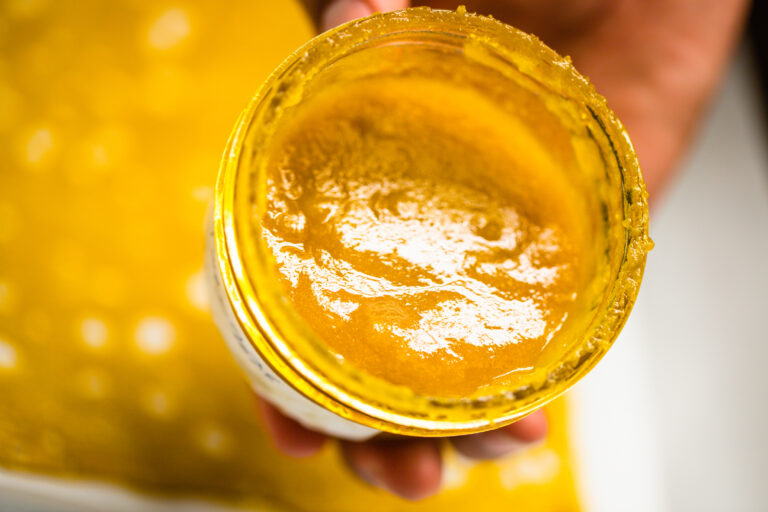
Full-spectrum products are designed to preserve the natural composition of the cannabis plant. They contain a wide range of cannabinoids and terpenes, aiming to preserve interactions among these compounds. The idea is to deliver a more complete and authentic effect profile.
Isolates, on the other hand, are products that contain a single purified compound, most commonly THC or CBD. Everything else, terpenes, minor cannabinoids, and other plant compounds, is removed during processing.
These products exist for a reason. In large markets like the United States, isolates have become a major category, especially among large-scale producers. They allow for standardized dosing, easier formulation, and the ability to create a wide range of products such as edibles, vapes, and infused goods with consistent potency.
From a manufacturing perspective, isolates offer control and scalability. From a consumer perspective, they provide precision. Someone who wants a very specific dose of THC or CBD without additional variables may prefer an isolate-based product.
However, this precision comes with a trade-off. If you remove all other compounds, isolates do not benefit from the entourage effect. This often results in a more one-dimensional experience compared to full-spectrum products, which retain the plant’s natural complexity.
What Science Says
The entourage effect is widely accepted as a concept, but it’s still being actively researched.
There is evidence that CBD can influence how THC behaves in the body, and that terpenes may play a role in shaping mood and perception. However, the exact mechanisms are not yet fully mapped.
What’s clear is that cannabis works as a system rather than a single compound, even if science is still catching up to fully explain every interaction.
How to Use This in Practice
Understanding the entourage effect changes how you approach cannabis.
Instead of focusing only on THC percentage, it makes sense to look at the broader profile. Paying attention to terpene content, trying different strain types, and experimenting with full-spectrum products can give you a better sense of what actually works for you.
Over time, this approach leads to more consistent and predictable experiences.
Conclusion
The entourage effect highlights what makes cannabis unique. It’s not defined by one compound, but by the interaction between many.
Whether you’re choosing between strains or deciding between full-spectrum and isolate products, understanding this concept gives you a much clearer framework for making informed decisions.
In the end, it’s not just about how strong something is—it’s about how everything works together.