The Complete Guide to Cannabis Terpenes: Effects Flavor and Real World Use
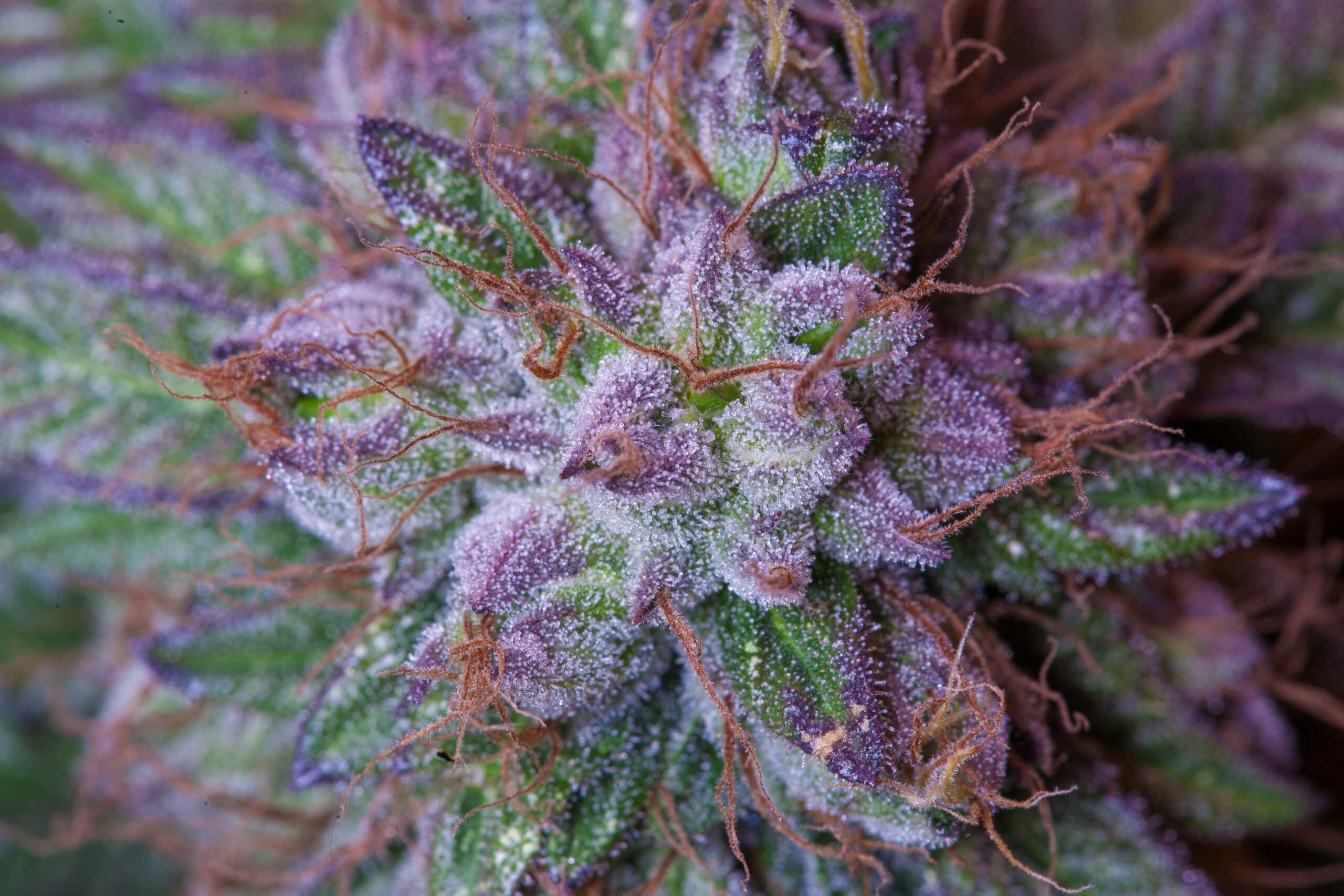
Most people recognize cannabis by its smell long before they ever see it. That sharp, skunky, citrusy, or sweet aroma isn’t just a surface-level trait—it’s a signal of what’s inside the plant.
Those scents come from terpenes, a class of volatile compounds that shape far more than flavor. They influence how cannabis feels, how different products behave, and why two strains with similar THC levels can produce completely different experiences.
For years, the cannabis conversation has revolved almost entirely around THC and CBD. But that perspective is incomplete. Terpenes are a critical part of the equation, and without understanding them, it’s difficult to fully understand cannabis itself.
This guide goes beyond the usual “top 10 terpenes” approach. Instead, it breaks down how terpenes actually work, how they interact with cannabinoids, and how you can use that knowledge in real-world situations.
What Terpenes Actually Are
Terpenes are naturally occurring aromatic compounds found throughout the plant kingdom. They are responsible for the smell of pine forests, citrus peels, lavender, and countless other natural aromas.
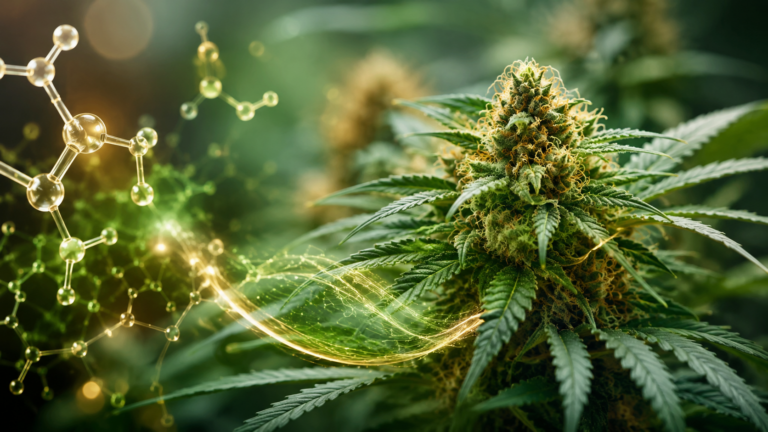
In cannabis, terpenes are produced in the trichomes. The same microscopic resin glands that produce cannabinoids. These glands form a dense coating over the flower and contain a complex mixture of chemical compounds that define the plant’s profile.
More than 150 different terpenes have been identified in cannabis, but most appear only in trace amounts. What matters is not a single terpene in isolation, but the overall composition and ratio of multiple compounds working together. This combination is what gives each cultivar its distinctive scent and, more importantly, its unique effects.
Why Cannabis Produces Terpenes
Terpenes are not created for human enjoyment. They are part of the plant’s survival system.
In nature, cannabis uses terpenes to interact with its environment. Some compounds repel insects or grazing animals, while others attract beneficial organisms. Certain terpenes help protect the plant from microbial threats, while others play a role in signaling environmental stress.
In this sense, terpenes function as a kind of biochemical language. They allow the plant to respond to changes in light, temperature, and physical damage, adjusting its chemistry in real time.
This also explains why terpene profiles are highly sensitive to how cannabis is grown and handled. Factors like climate, nutrients, harvest timing, and curing conditions all influence how these compounds develop and how much of them remain in the final product.
How Terpenes Influence the Human Experience
The effects of terpenes are often oversimplified, but they operate through multiple mechanisms.
Some terpenes appear to interact directly with biological systems in the body. For example, β-caryophyllene has been shown to interact with CB2 receptors, linking it to immune-related pathways. Linalool has been associated with calming properties, while pinene has been explored for its potential influence on alertness and memory. Much of this research is still emerging, but it indicates that terpenes are not inert; they have measurable biological activity.
At the same time, terpenes influence how cannabinoids behave. This relationship is commonly described as the Entourage Effect.
The idea is that cannabis compounds do not act independently. Instead, they interact in ways that shape the overall experience. A product containing THC alone will not feel the same as a full-spectrum product that includes a rich terpene profile. The presence of specific terpenes can subtly alter how THC expresses itself, affecting intensity, onset, and overall character.
It is important to note that while the entourage effect is widely accepted in theory, the exact mechanisms are still being studied. The interaction between terpenes and cannabinoids is complex and likely depends on concentration, ratios, and individual physiology.
Why Strain Names Don’t Tell the Full Story
One of the biggest misconceptions in modern cannabis culture is the reliability of strain names. Labels like “Sour Diesel” or “Gelato” suggest consistency, but in reality, they are often poor indicators of what a product will feel like.
What truly determines the experience is the chemical profile. Specifically, the balance between cannabinoids and terpenes. Two products with the same name can differ significantly depending on how they were grown, processed, and stored.
Terpenes offer a more reliable framework. By focusing on terpene composition rather than branding, it becomes easier to predict how a product might feel and make more informed decisions.
Terpenes Across Different Product Types
Terpenes behave very differently depending on the form in which cannabis is consumed.
In traditional flower, terpene content is largely preserved if the product is fresh and properly cured. However, these compounds are volatile and degrade over time, especially when exposed to heat, light, and oxygen. Older cannabis often loses much of its aromatic complexity, which directly impacts the quality of the experience.
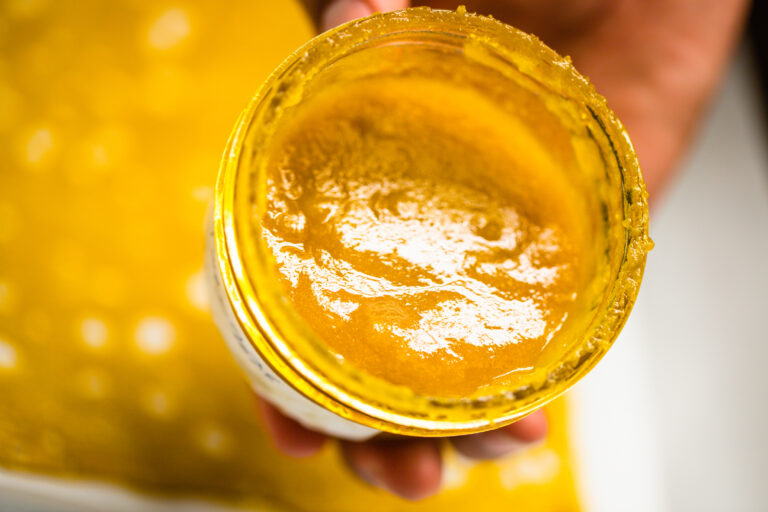
Concentrates vary widely. Products like Live Resin are designed to retain terpene content by using fresh frozen material during extraction. This helps preserve the plant’s original chemical profile, resulting in a more expressive and flavorful product.
Distillates, on the other hand, strip away most terpenes during processing. In many cases, terpenes are added back later, either from cannabis or from other botanical sources. While this can recreate certain flavor profiles, it does not always replicate the complexity of the original plant.
In edibles, terpenes play a much smaller role. Most are lost during processing, and the effects are driven primarily by cannabinoids and their metabolism in the body.
How to Actually Use Terpene Knowledge
Understanding terpenes becomes valuable when it translates into better decision-making.
Instead of relying on strain names, it makes more sense to focus on terpene profiles when available. Certain patterns do exist. Profiles rich in limonene or pinene are often associated with more uplifting experiences, while those dominated by myrcene or linalool tend to feel more calming. These are not strict rules, but they provide useful guidance.
Equally important is the relationship between terpenes and cannabinoids. A high-THC product with a stimulating terpene profile may feel overwhelming for some users, while a more balanced profile that includes CBD can create a smoother experience. This is where a deeper understanding of cannabinoids becomes essential. If needed, you can refer back to your THC, CBD, and THC vs. CBD guides to complete that picture.
Product quality also plays a major role. Even the most favorable terpene profile loses value if the product is poorly stored or degraded. Freshness, proper curing, and careful handling are all critical factors that influence how terpenes are expressed.
What Determines Terpene Content
Terpene levels are not fixed. They are shaped by a range of variables throughout the plant’s lifecycle.
Genetics set the baseline, but environmental conditions determine how those genetics are expressed. Light intensity, temperature fluctuations, and nutrient availability all influence terpene production. Harvest timing also matters, as terpene expression can change in the final stages of growth.
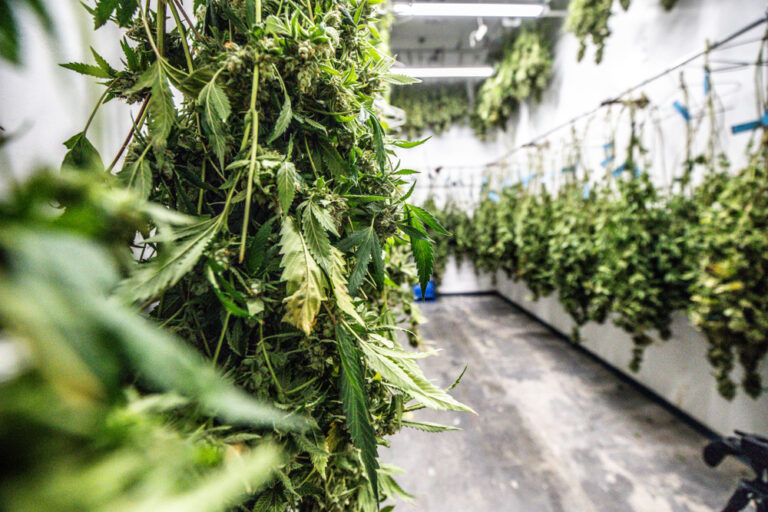
After harvest, curing and storage become critical. Improper drying or exposure to heat and oxygen can significantly reduce terpene content, leading to a less complex and less effective product.
The Limits of Current Research
Despite growing interest, terpene science is still developing. Much of the existing research comes from laboratory studies or animal models, and large-scale human trials remain limited.
This creates a gap between potential and proven effects. While early findings are promising, especially in areas such as inflammation and antimicrobial activity, many claims remain ahead of the evidence.
A more measured perspective is useful here. Terpenes clearly play a role in shaping the cannabis experience, but they are not a standalone solution or a guaranteed outcome. Their effects depend on context, combinations, and individual differences.
Going Deeper Into Individual Terpenes
This article focuses on the broader framework. If you want to explore specific compounds in more detail, including their scent profiles and commonly associated effects, your existing article on terpene breakdown serves as a complementary resource.
Conclusion
Terpenes are one of the most important components of cannabis, yet they are often overlooked in favor of THC percentages and strain names.
They shape how cannabis smells, how it tastes, and how it feels. More importantly, they provide a more reliable way to understand and predict different experiences.
By shifting focus from branding to chemistry, it becomes possible to approach cannabis with greater precision. As research continues to evolve, terpenes will likely play an even more central role in how cannabis is produced, understood, and consumed.
For now, they already offer a clear advantage to anyone willing to look beyond the label.