Researchers Discover Fossil That Could Be the Oldest Cannabis Plant Ever
Key Takeaways
- Researchers in Germany discovered a fossilized leaf that may belong to one of the oldest cannabis plants ever identified
- The fossil was found in Saxony-Anhalt and is currently being analyzed by the Museum für Naturkunde in Berlin
- If confirmed, the discovery could push back the evolutionary timeline of cannabis significantly
- Scientists remain cautious, as plant fossils can be difficult to classify with certainty
- The finding adds to growing evidence that cannabis has existed and evolved for millions of years
A recent discovery in Germany is drawing attention across both scientific and cannabis communities. Researchers examining plant fossils in Saxony-Anhalt may have identified what could be one of the oldest cannabis related specimens ever recorded.
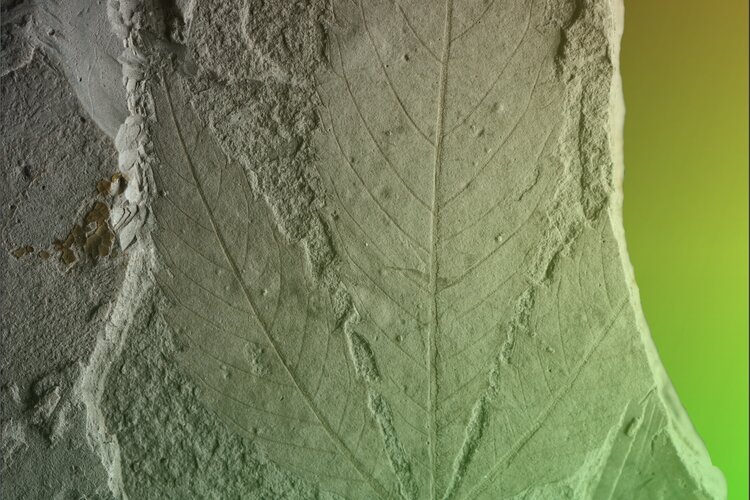
The fossilized leaf, currently being analyzed at the Museum für Naturkunde in Berlin, exhibits structural characteristics resembling those of modern cannabis. While the identification is not yet confirmed, the implications are significant.
If the plant is indeed cannabis or a direct ancestor, it could reshape current understanding of the history of cannabis.
What Was Actually Found
The fossil appears to be an imprint of a leaf preserved in sediment. Its vein structure and overall morphology resemble those of plants in the Cannabaceae family, which includes cannabis and hops.
This is where things get complicated.
Fossil identification relies heavily on morphology, meaning scientists compare shapes and structures with those of modern plants. But many plant species share similar features, especially in ancient specimens.
That is why researchers are being careful not to jump to conclusions.
Why This Discovery Matters
Cannabis is already considered one of the oldest cultivated plants in human history. DNA analysis suggests domestication began around 12,000 years ago in East Asia.
However, that only covers human interaction.
The plant itself evolved long before that. Discoveries like this potentially push the origin of cannabis back millions of years, offering insight into how it adapted, spread, and diversified across continents.
If confirmed, this fossil could:
- Provide evidence of early cannabis ancestors in Europe
- Help map the geographic evolution of the plan
- Offer new data on how cannabis survived environmental changes over time
Scientific Caution Is Key
Despite the excitement, researchers are not yet claiming a definitive identification.
Plant fossils are notoriously difficult to classify because:
- Soft tissue rarely preserves perfectly
- Leaf shapes can overlap across species
- Environmental factors can distort fossil impressions
Without genetic material, scientists rely on visual comparisons, which always carry a degree of uncertainty.
In short, this could be cannabis, but it could also be a closely related species.
Cannabis Has a Much Deeper History Than Most Think
Even without this discovery, cannabis already has a long and complex history.
Archaeological and genetic evidence shows:
- Early human use dates back thousands of years for fiber, medicine, and ritual use
- The plant spread across Asia, the Middle East, and Europe through trade and migration
- Different strains evolved based on climate and cultivation practices
Findings like this reinforce one key point: cannabis is not a modern phenomenon. It is a deeply rooted part of natural and human history.
What Happens Next
The next step is further analysis and peer review.
Researchers will likely:
- Compare the fossil with known Cannabaceae specimens
- Use advanced imaging techniques
- Publish findings for scientific validation
Until then, the claim remains a strong possibility, not a confirmed fact.
Conclusion
This discovery taps into something bigger than just cannabis.
It highlights how much we still do not fully understand about plant evolution and how iconic species like cannabis have developed over time.
If confirmed, this fossil would not just be a headline. It would be a piece of the puzzle