
CatholicVote Warns Trump Against Cannabis Rescheduling With New Petition
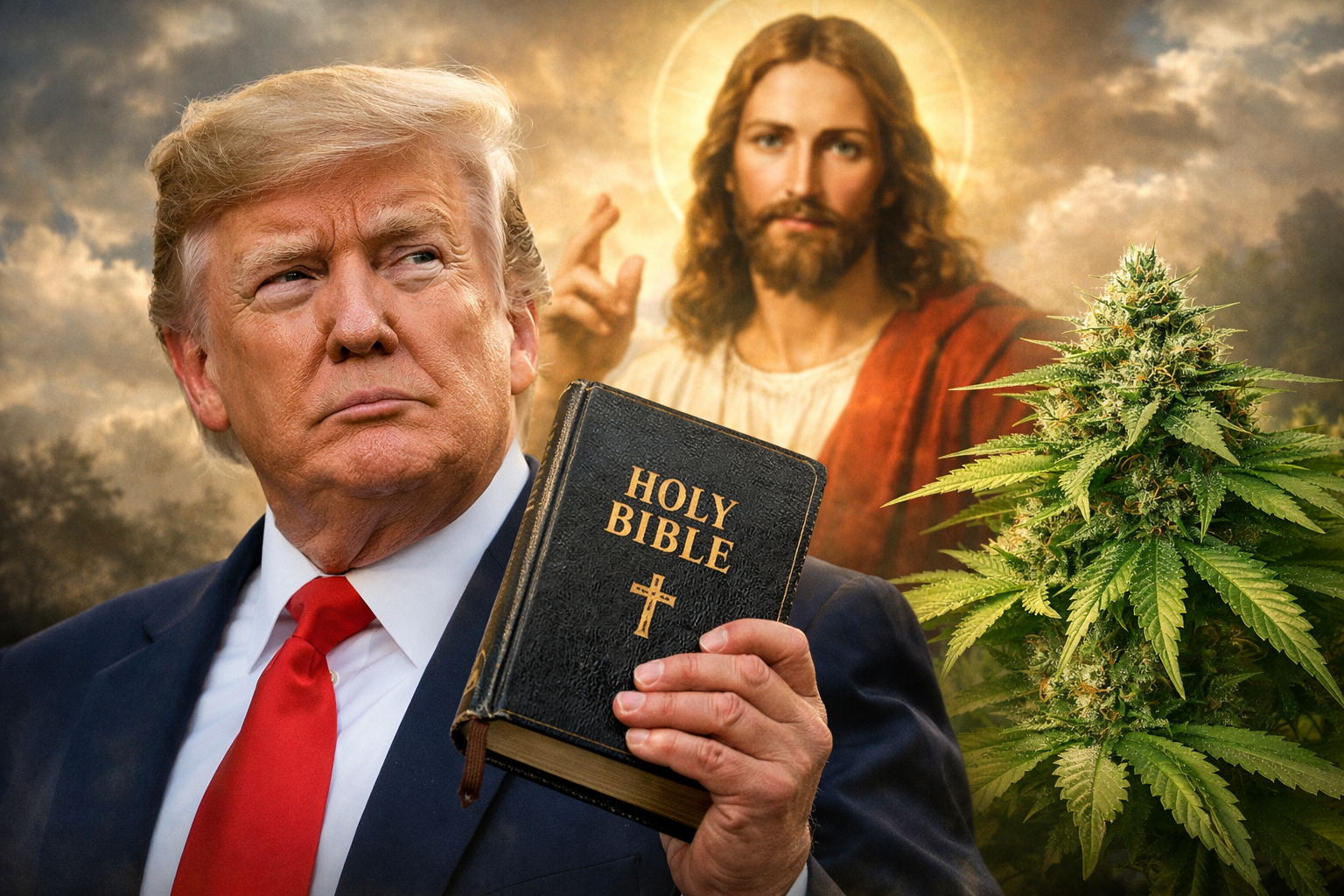
A prominent conservative advocacy group is pushing back against federal cannabis reform, launching a petition urging President Donald Trump to block any move to reschedule marijuana under U.S. law.
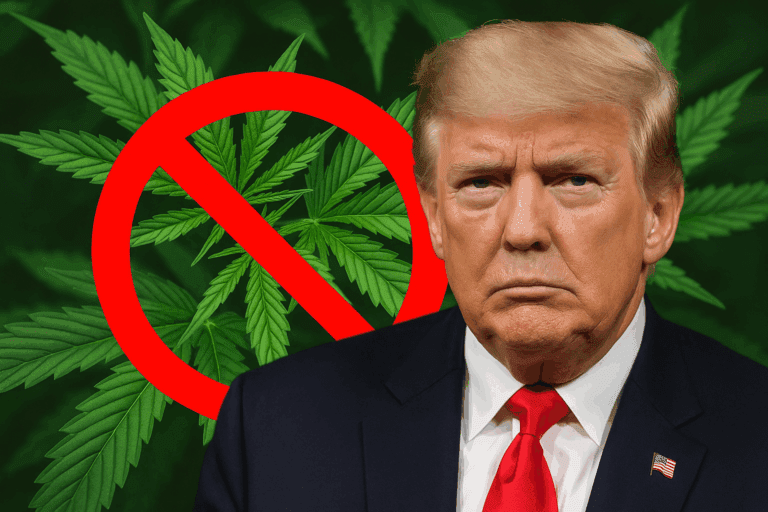
The organization, CatholicVote, announced this week that it is mobilizing supporters to pressure the White House to stop efforts to move cannabis from Schedule I to Schedule III under the Controlled Substances Act — a change currently under federal review.
Who Is CatholicVote and What Are They Trying to Do?
CatholicVote is a U.S.-based political advocacy organization that describes its mission as “inspiring Catholics to live their faith in public life.” While rooted in Catholic identity, the group primarily operates as a conservative political organization, frequently running campaigns on cultural, social, and public policy issues.
Through its petition campaign, CatholicVote is urging President Trump to:
-
Reject cannabis rescheduling outright
-
Maintain marijuana’s current Schedule I classification
-
Publicly frame cannabis reform as a public-health and moral risk
The group is encouraging supporters to sign its petition and contact the administration directly. Its full statement and campaign materials can be found on its official website: catholicvote.org.
Why CatholicVote Opposes Cannabis Rescheduling
According to CatholicVote, rescheduling cannabis would send a dangerous signal to the public — particularly to young people — by reducing the perceived risks associated with marijuana use.
Their core arguments include:
-
Concerns about increased cannabis use following legalization or normalization
-
Claims of higher addiction rates and mental-health risks
-
Worries about impaired driving and emergency-room visits
-
The belief that federal rescheduling would “water down” public-health protections
The group also argues that cannabis has not gone through the same FDA approval processes as pharmaceutical drugs and warns that rescheduling could outpace long-term safety research.
Importantly, rescheduling would not legalize cannabis federally — a point often missed in public debate. A move to Schedule III would primarily acknowledge medical use, reduce research barriers, and adjust certain federal penalties, without overriding state laws.
A Familiar Pattern in the Cannabis Debate
CatholicVote’s position fits into a broader historical pattern: cannabis reform debates in the U.S. are often driven less by pharmacology or comparative risk data and more by moral framing.
Alcohol and tobacco — both deeply embedded in religious and cultural traditions — remain legal despite well-documented health harms. Cannabis, by contrast, continues to face opposition framed around values, symbolism, and social order rather than evidence alone.
That framing becomes particularly interesting once scripture enters the conversation.
A Brief, Awkward Biblical Footnote
Ironically, cannabis — or at least hemp — is not absent from the Bible.
Multiple scholars have argued that the Hebrew term “kaneh bosem”, mentioned several times in the Old Testament, refers to an aromatic reed that is widely believed to be cannabis or hemp.
The plant appears in contexts that are… notably sacred:
-
Exodus 30:22- 25 describes a holy anointing oil made from myrrh, cinnamon, cassia, and kaneh bosem, used to consecrate priests and religious spaces
-
Song of Solomon 4:14 lists kaneh among fragrant plants associated with pleasure and ritual
-
Isaiah 43:24 references it as a valued offering
Whether every translation definitively means cannabis is still debated — but the broader point remains: a plant now treated as a moral threat may once have been part of religious ceremony itself.
At the very least, it complicates the idea that cannabis is inherently incompatible with faith.
What Readers Should Know Going Forward
The debate around cannabis rescheduling is still unfolding, and no final decision has been made. What is clear is that the issue sits at the intersection of science, politics, culture, and belief — and often generates more heat than clarity.
For readers who want fact-based, non-hysterical information about what cannabis rescheduling would actually mean, we recommend our in-depth three-part series:
-
Part 2: How Rescheduling Could Affect Consumers, Patients, and Businesses
-
Part 3: The Risks, Unknowns, and What Still Needs Regulation
As always, policy decisions should be guided by evidence — not fear, nostalgia, or selective morality.





Has nothing to do with religion.
Nonsense. They pretending something with no basics at all.