
Cannabis Rescheduling Explained: What’s Expected — and How Realistic It Is
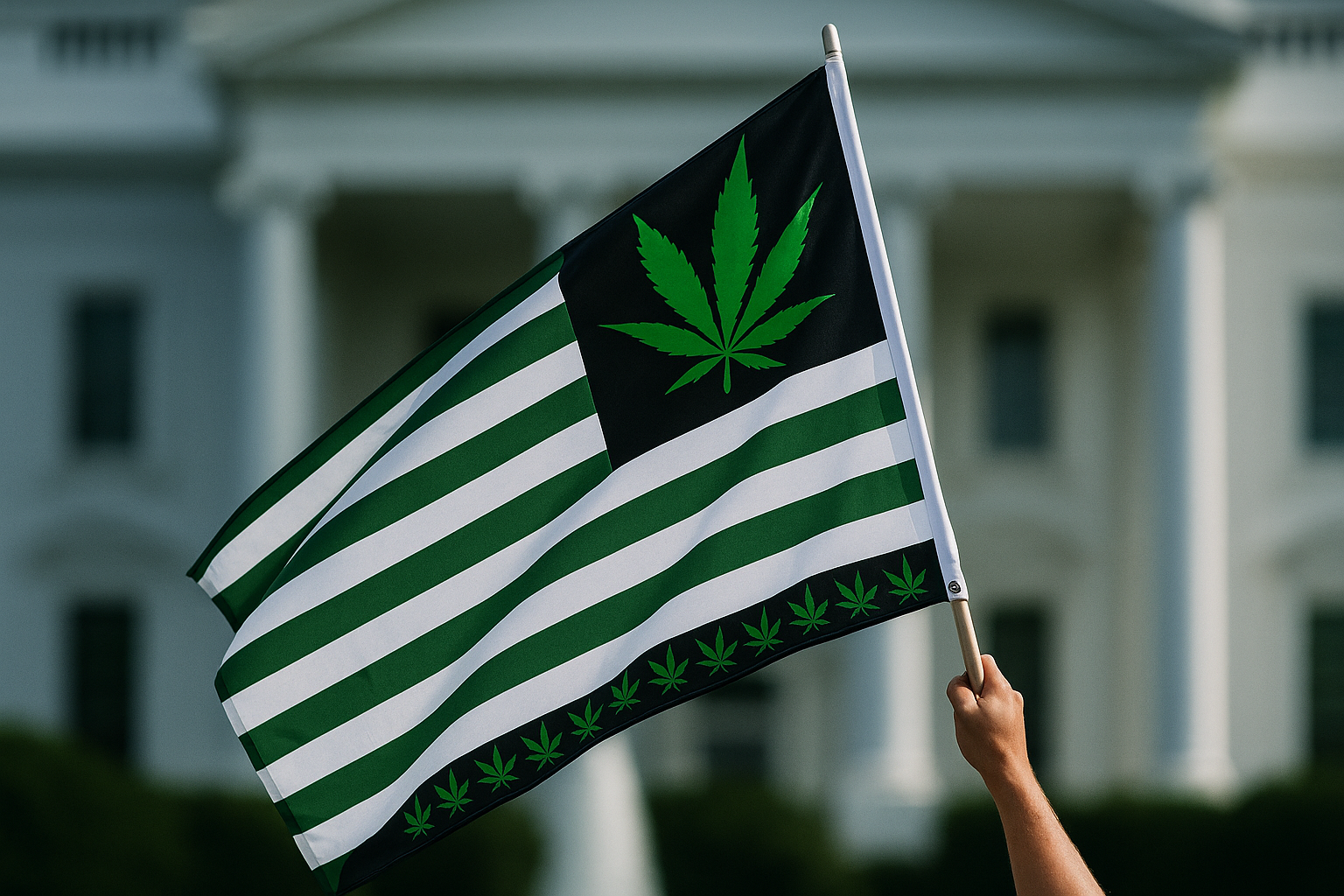
Part One of a Three-Part Series
Over the past several days, reports from multiple U.S. media outlets have pointed to a potentially historic shift in federal cannabis policy. According to those reports, the Trump administration is preparing to announce that cannabis will be moved from Schedule I to Schedule III under the Controlled Substances Act, possibly as early as Monday.
If confirmed, this would mark the most consequential federal cannabis policy change in decades. Yet despite the dramatic headlines — and the growing anxiety across parts of the cannabis industry — rescheduling is neither a sudden legalization push nor a symbolic gesture without consequences. It sits somewhere in between: meaningful, limited, and complex.
This article is Part One of a three-part series examining what cannabis rescheduling actually means. We begin by laying out what is expected to happen, how realistic those expectations are, and what would — and would not — change if cannabis is moved to Schedule III under federal law.
What Rescheduling Really Means — in Plain Terms
Under U.S. federal law, substances are classified into schedules based on medical value, abuse potential, and safety. Cannabis has remained in Schedule I since 1970, a category reserved for substances deemed to have no accepted medical use and a high potential for abuse.
That classification has become increasingly disconnected from reality. Medical cannabis programs now operate in the vast majority of U.S. states. Millions of patients use cannabis under physician supervision. Even federal agencies have acknowledged therapeutic applications in recent years.
Rescheduling cannabis to Schedule III would formally recognize that cannabis has accepted medical use under federal law. This alone would represent a fundamental shift in how regulators, courts, researchers, and policymakers treat cannabis.
What it would not do is legalize cannabis nationwide or override state-level cannabis laws.
How Likely Is This to Actually Happen?
Based on current reporting and political context, the probability of a rescheduling announcement in the near term appears relatively high.
From an analytical standpoint, a reasonable assessment would look something like this:
-
Announcement or directive signaling intent to reschedule: ~70–80% likelihood
-
Formal movement to Schedule III through regulatory process: ~60–70% likelihood
-
Immediate, clean implementation without legal or political friction: <30% likelihood
In other words, while momentum is clearly there, rescheduling is still a process — not a switch that flips overnight. Any announcement would likely initiate further rulemaking, guidance, and potential legal challenges.
What Would Change — and What Wouldn’t
A move to Schedule III would bring several concrete changes, though most would unfold gradually rather than instantly.
On the federal level, the most significant shift would be the collapse of the long-standing claim that cannabis has no medical value. That change alone carries weight in future court cases, research approvals, and international policy alignment.
Research institutions would face fewer administrative barriers, making clinical trials and medical studies easier to conduct. Over time, this could improve the quality of data around both benefits and risks of cannabis use — something that has been severely lacking under Schedule I.
From a business perspective, the most discussed impact is taxation. Section 280E of the U.S. tax code, which prevents cannabis businesses from deducting normal operating expenses, applies only to Schedule I and II substances. If cannabis becomes Schedule III, 280E should no longer apply on a forward-looking basis.
However, rescheduling would not:
-
Federally legalize recreational cannabis
-
Shut down state-licensed dispensaries
-
Replace state markets with prescription-only systems
-
Automatically change federal enforcement priorities
State cannabis programs would continue to operate under state law, just as they do today.
Why Some in the Industry Are Uneasy
Despite the potential upside, parts of the cannabis industry have reacted with visible concern. Those concerns are not uniform and do not come from all corners of the market.
Some operators worry about how federal agencies, particularly the IRS and FDA, may behave during the transition period. Others fear that regulatory clarity could expose businesses that have relied on legal gray areas or aggressive interpretations of existing rules.
There is also a broader anxiety that rescheduling could favor larger, better-capitalized players while squeezing smaller operators already operating on thin margins.
These concerns don’t negate the potential benefits of rescheduling — but they help explain why the industry’s reaction has been mixed rather than celebratory.
Why This Moment Still Matters
Rescheduling is not the end goal for cannabis reform advocates. Full descheduling and federal legalization remain the long-term objectives.
But moving cannabis out of Schedule I removes a foundational contradiction at the heart of U.S. drug policy. It acknowledges, at the federal level, what state laws and medical practice have already made clear: cannabis does not belong in the most restrictive legal category.
In policy terms, this is not the destination — but it is an essential step away from the starting line.
Coming Up Next
In Part Two of this three-part series, we’ll take a closer look at why segments of the cannabis industry are nervous about rescheduling, including fears around IRS enforcement, 280E audits, FDA oversight, and the growing divide between compliant operators and gray-market businesses.





Stop pitting people on jails fir smoking what helps or eatting it. It has been a great relief for myself. I am 54 years old and need help with back pain and I will mot take the drs. Pain pills are haroin.