Smoking Moldy Weed? What Every Cannabis User Should Know About Bud Rot
Key Takeaways
- Botrytis, also known as bud rot, is one of the most common and dangerous molds found in cannabis.
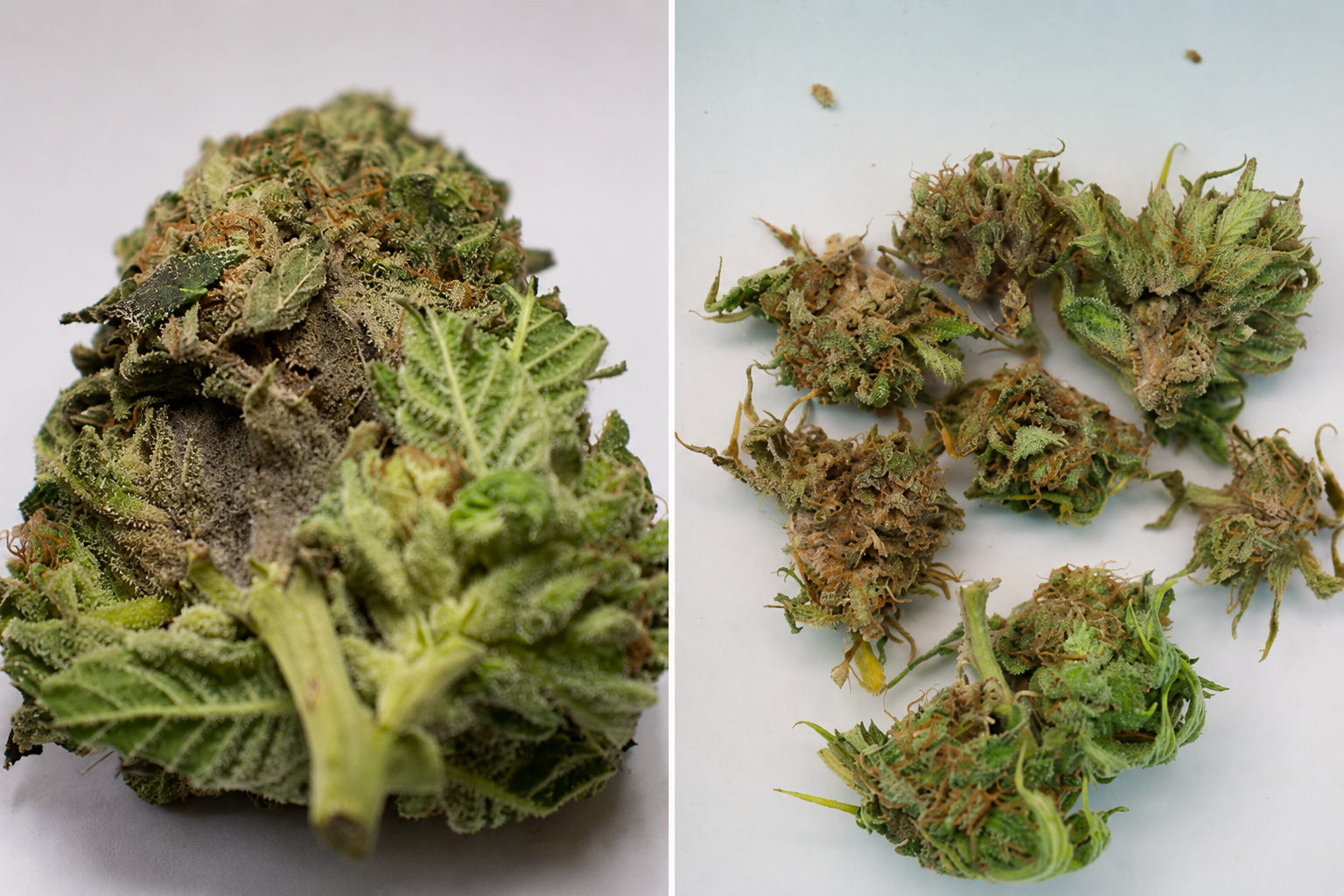
- Infected buds can look gray, brown, dusty, or unusually dry inside the flower.
- Smoking moldy cannabis may cause respiratory irritation, coughing, allergic reactions, and potentially serious complications for vulnerable users.
- Bud rot often starts inside dense flowers, making it difficult to detect early.
- If cannabis shows signs of mold contamination, it should be thrown away immediately.
Most cannabis consumers know how to spot low-quality weed. Dry buds, bad trimming, weak aroma, or poor curing are easy to recognize. But one of the biggest hidden dangers in cannabis is something many users overlook entirely: mold.
Among the most feared forms is Botrytis cinerea, better known as bud rot.
This fungus can destroy entire harvests from the inside out. For growers, it is a nightmare that can wipe out months of work in a matter of days. For consumers, contaminated cannabis may carry real health risks, especially when smoked or vaporized directly into the lungs.
As legal cannabis markets continue to grow worldwide, conversations about contamination, testing standards, and consumer safety are becoming increasingly important. While dispensaries in regulated markets often screen for microbial contamination, many black-market products and poorly stored flowers can still harbor dangerous mold.
And the scary part? Bud rot is not always obvious at first glance.
What Is Botrytis?
Botrytis cinerea is a fungal pathogen commonly found in agriculture. It affects grapes, strawberries, tomatoes, and many other crops. In cannabis cultivation, it is commonly referred to as bud rot because it attacks the flower itself.
The fungus thrives in:
- High humidity
- Poor airflow
- Dense buds
- Wet growing conditions
- Improper drying or storage
Once it develops inside a cannabis flower, it spreads rapidly through the moisture trapped within the bud.
Large, dense cannabis strains are particularly vulnerable because airflow inside the flower is limited.
Why Bud Rot Is So Dangerous
Unlike powdery mildew, which is often visible on the outside of leaves, Botrytis frequently begins deep inside the bud.
From the outside, a nug may initially look normal. But when broken apart, growers and consumers may discover:
- Brown or gray patches
- Dusty web-like material
- Dead plant tissue
- Mushy or dry decaying flower
- White fuzzy growth
- Unusual smell similar to mildew or ammonia
In advanced cases, the bud may completely crumble apart into dry, infected material.
The biggest issue is that many users may accidentally smoke contaminated flower without realizing it.
Health Risks of Smoking Moldy Cannabis
The exact risk depends on the level of contamination and the user’s health condition, but inhaling fungal spores is never ideal.
Possible symptoms include:
Respiratory Irritation
Many users report:
- Harsh coughing
- Burning throat sensation
- Chest tightness
- Increased mucus production
This happens because fungal particles and spores directly irritate the respiratory system.
Allergic Reactions
Some individuals are highly sensitive to mold exposure and may experience:
- Sneezing
- Watery eyes
- Sinus irritation
- Skin reactions
- Asthma flare-ups
Increased Risk for Immunocompromised Users
For people with weakened immune systems, fungal contamination can become more serious. In rare cases, inhaling mold spores has been associated with fungal lung infections.
This risk is particularly important for medical cannabis patients with underlying health conditions.
How Bud Rot Develops
Botrytis usually appears during late flowering when buds become large and dense.
Common causes include:
High Humidity
Humidity above 55 to 60 percent during flowering creates ideal conditions for fungal growth.
Poor Air Circulation
Stagnant air allows moisture to remain trapped inside the canopy and buds.
Rain and Outdoor Moisture
Outdoor growers are especially vulnerable during rainy autumn conditions close to harvest.
Improper Drying
Even healthy harvested cannabis can develop mold if it dries too slowly or is stored with excess moisture.
How To Check Cannabis for Bud Rot
Consumers can reduce risk by inspecting flower carefully before use.
Things to watch for:
Unusual Color Changes
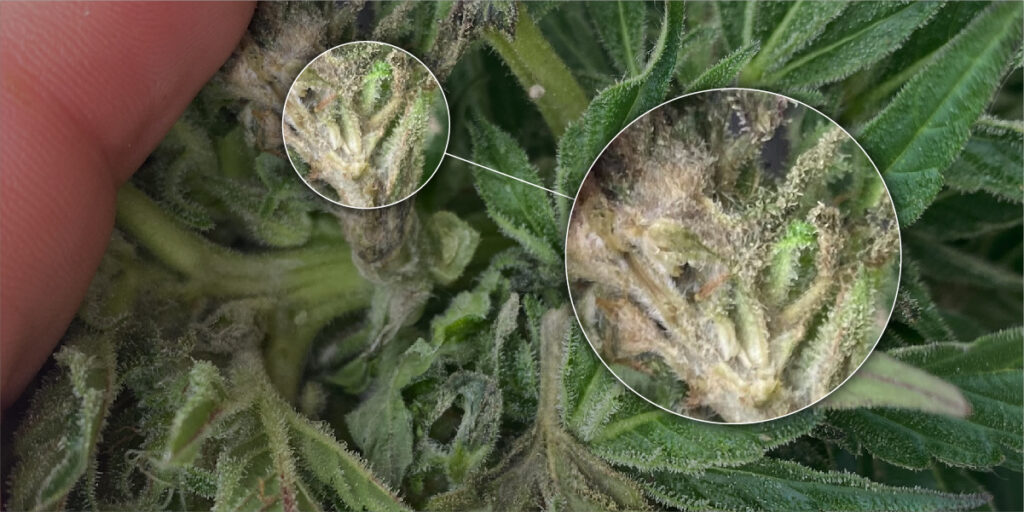
Gray, brown, or dark patches inside buds can indicate fungal decay.
Dust or Fuzz
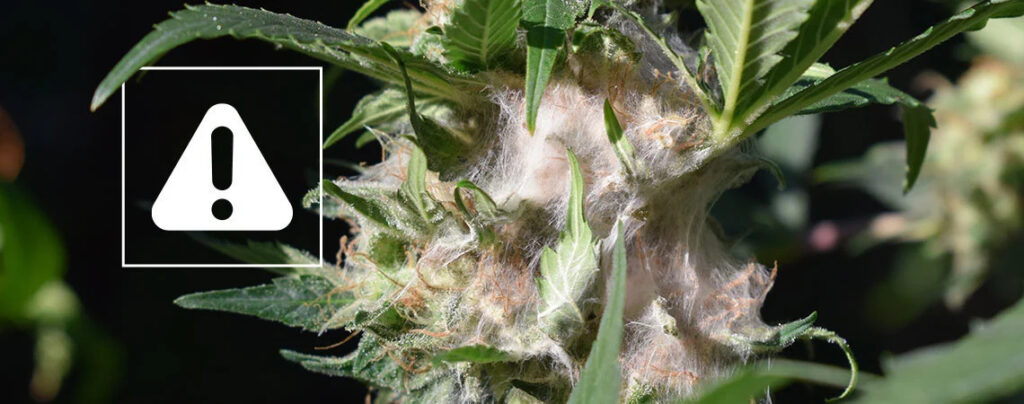
Fine webbing, dusty spores, or fuzzy growth are major warning signs.
Texture Changes
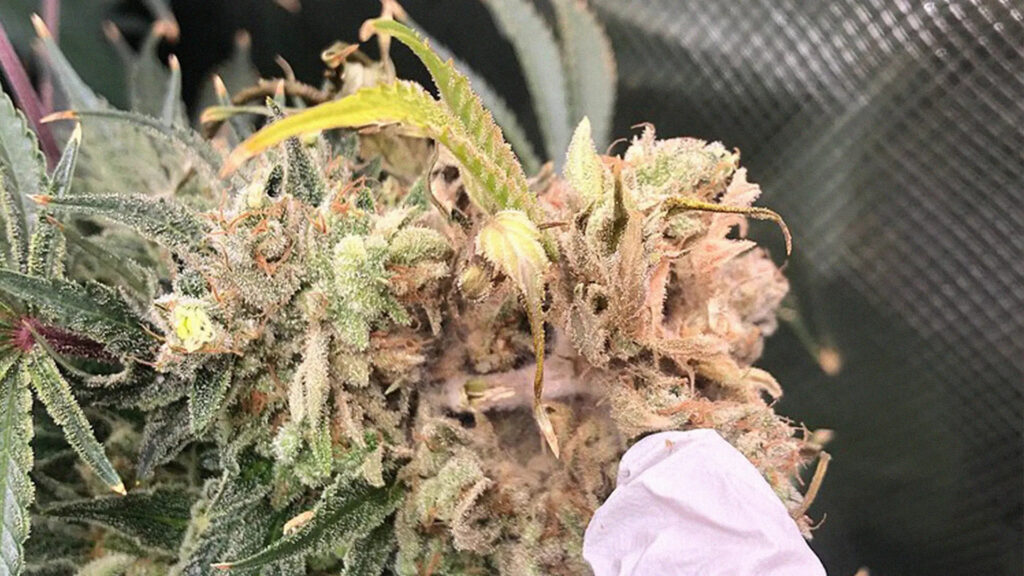
Buds that feel strangely damp inside or crumble into dusty material may be contaminated.
Break Open Dense Buds
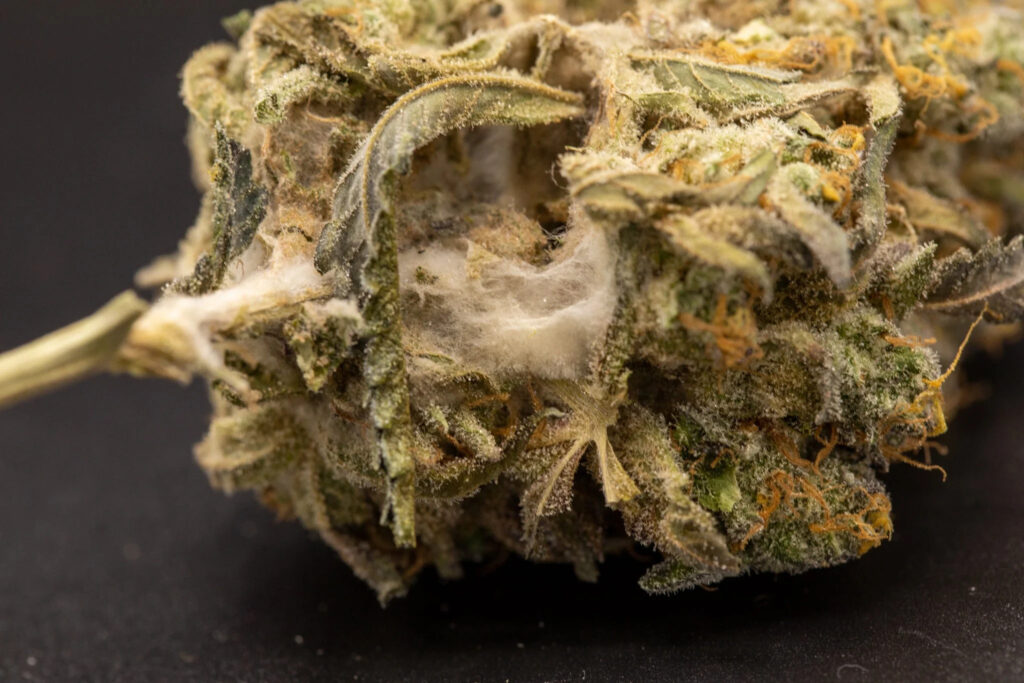
Botrytis often hides inside the center of large flowers.
Strange Smell
Healthy cannabis should smell fresh, pungent, earthy, fruity, or gassy, depending on the strain. Moldy cannabis may smell musty, damp, or rotten.
Can You Save Moldy Weed?
Many people online ask whether moldy cannabis can be salvaged by cutting away infected parts.
The safest answer is simple: no.
Fungal spores can spread beyond visibly affected areas, meaning contamination may already exist throughout the flower.
Heating or combustion does not guarantee safety, as spores and microbial toxins may still be inhaled.
If cannabis is contaminated, it is best to throw it away completely.
Why This Topic Matters More Today
As cannabis legalization expands globally, consumers are becoming more educated about product quality.
A decade ago, many users focused mainly on THC percentage or bag appeal. Today, discussions increasingly include:
- Pesticide contamination
- Heavy metals
- Residual solvents
- Mold and microbial testing
- Proper curing and storage
This shift is important because cannabis is ultimately an inhaled product. Quality control directly impacts health.
At the same time, social media has made awareness around bud rot far more widespread. Photos and videos of contaminated cannabis now circulate regularly online, helping consumers learn what to avoid.
Final Thoughts
Botrytis is more than just an ugly cannabis problem. It is a serious contamination issue that both growers and consumers should understand.
For cultivators, prevention through humidity control, airflow, and proper drying is essential. For consumers, learning how to inspect cannabis carefully can help avoid unpleasant or potentially harmful experiences.
No matter how expensive or potent a strain appears, mold contamination is never worth the risk.
If a bud looks suspicious, trust your instincts and throw it out.