Study Finds Pesticides In More Than 90% Of Illicit Cannabis Samples
A newer cannabis study is raising serious questions about what consumers may actually be exposed to when buying weed outside the legal market.
Researchers working with Health Canada tested both licensed and illicit cannabis flower samples and found a massive gap between the two. While licensed cannabis showed a low pesticide positivity rate of just 6%, illicit cannabis tested positive in 92% of samples.
The findings, published in the Journal of Cannabis Research, highlight a growing issue in the global cannabis market: contamination risks are not evenly distributed, and where you buy your weed matters more than most people think.
What The Study Actually Found
The study, titled “High levels of pesticides found in illicit cannabis inflorescence compared to licensed samples in a Canadian study using an expanded 327 pesticide multiresidue method,” analyzed cannabis samples across Canada using highly sensitive laboratory techniques.
Researchers tested:
- 36 licensed cannabis samples
- 24 illicit cannabis samples
The results were clear:
- Licensed cannabis: 6% positivity rate
- Illicit cannabis: 92% positivity rate
Only two pesticide residues were detected in licensed samples, both at the lowest measurable level. In contrast, illicit cannabis contained:
- 23 different pesticide active ingredients
- An average of 3.7 pesticides per sample
- Some samples contain up to nine different pesticides
Even more concerning, certain pesticides in illicit samples were detected at levels hundreds to thousands of times higher than the study’s baseline detection threshold.
Why This Matters
Pesticide contamination is a bigger issue with cannabis than many people realize, mainly because of how it is consumed.
Unlike food, cannabis is often inhaled, meaning contaminants can enter the lungs directly. Some pesticides that might already raise concerns when ingested can behave differently when heated, smoked, or vaporized.
The study also reinforces a key point: regulation works.
Canada introduced mandatory pesticide testing requirements in 2019. Since then, licensed cannabis contamination rates have dropped significantly. Before regulation, earlier research found much higher levels of pesticide presence even in the legal market.
That doesn’t mean legal cannabis is perfect, but it does show a clear improvement compared to unregulated products.
The Real Difference Between Legal And Illicit Cannabis
The study found pesticides in 92% of illicit cannabis samples, not in all cannabis.
In contrast, licensed cannabis in the same analysis showed a 6% positivity rate, and even those detections were at extremely low levels near the limit of measurement.
This gap is not minor. It is structural.
Both types of cannabis come from the same plant, but they exist in completely different systems. Licensed producers operate under strict testing requirements, including mandatory screening for pesticide contamination. Products that fail these tests are not allowed to enter the legal market.
Illicit producers operate outside of these controls. There is no standardized testing, no enforcement of safety limits, and no accountability if contaminated products reach consumers.
This study provides one of the clearest real-world comparisons between those two systems. And the results are difficult to ignore.
Legalization, when combined with proper regulation and testing, does not just create access—it creates quality control. It introduces oversight, transparency, and measurable safety standards.
Without that framework, consumers are left navigating a market where contamination is largely invisible and inconsistent.
The takeaway is straightforward.
The biggest difference in cannabis safety is not the strain, the potency, or the way it’s consumed. It is whether the product comes from a regulated system with enforced testing, or from an unregulated source where those safeguards do not exist.
How Consumers Can Reduce Their Risk
While no method can guarantee completely clean cannabis, there are several ways consumers can significantly reduce their exposure to pesticides and contaminants.
The most important factor is not how you consume cannabis, but what you’re consuming in the first place.
Buy tested, regulated products
Cannabis from legal markets is typically subject to mandatory lab testing. These tests screen for pesticides, heavy metals, and other contaminants. Whenever possible, choose products with verified lab results rather than untraceable sources.
Be cautious with vape cartridges
Unregulated vape carts carry some of the highest risks in the cannabis space. In addition to pesticides, they may contain residual solvents or cutting agents. If a product has no clear origin or lab testing, it’s best to avoid it.
Use filters when smoking
Activated charcoal filters can help reduce some particulates and harmful compounds in smoke. However, they do not completely remove pesticides. Think of filters as a way to reduce exposure—not eliminate it.
Understand that concentrates can amplify contaminants
If cannabis flower is contaminated, concentrates made from it can concentrate those contaminants further. This is especially relevant for cheap or unverified extracts.
Consider vaporizing instead of combusting
Vaporizing may reduce some combustion-related toxins, but it does not remove pesticides from the material itself. It can improve the overall harm profile, but it’s not a solution to contamination.
Grow your own (where legal)
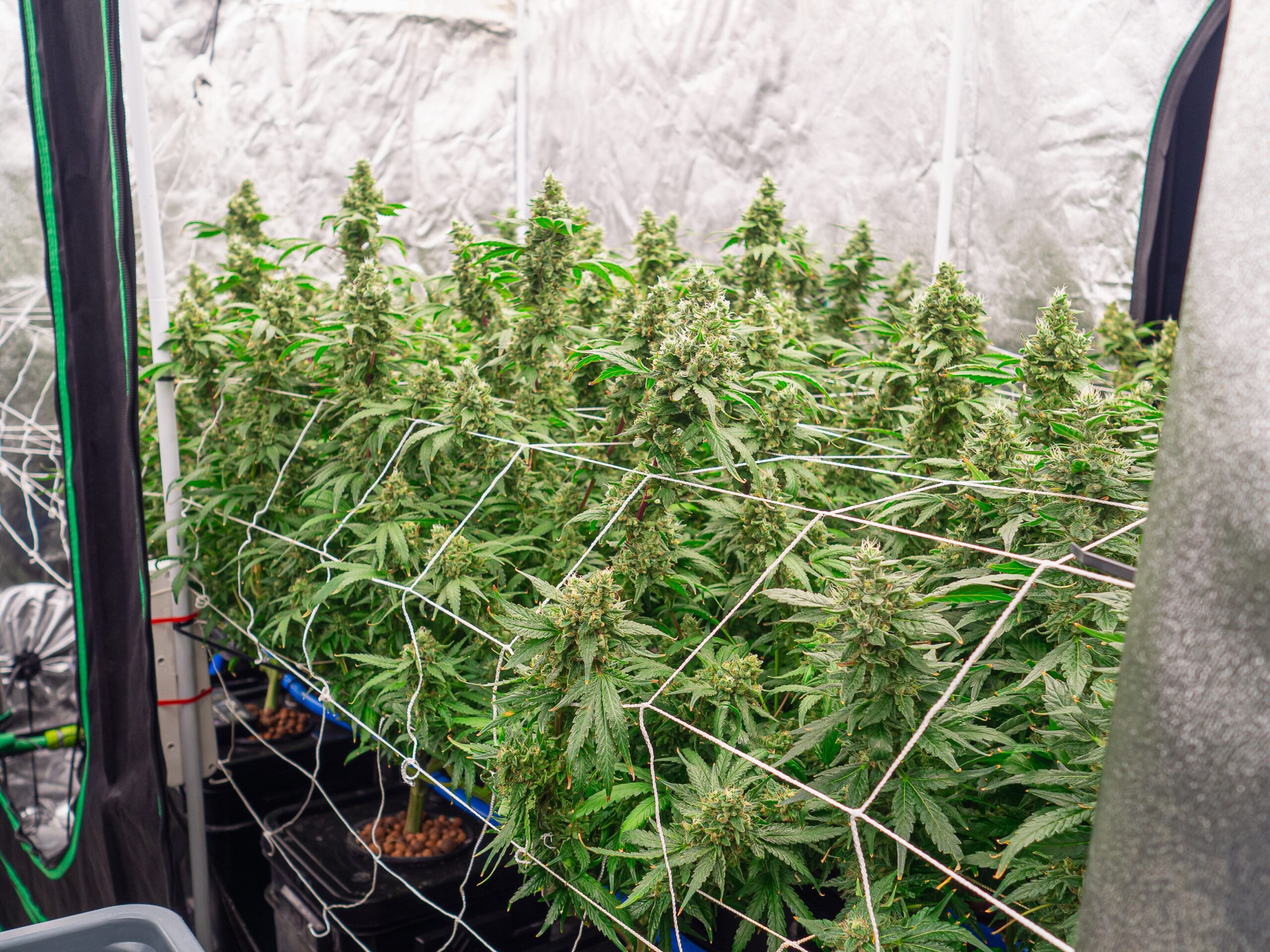
For those who have the option, growing your own cannabis is one of the few ways to fully control what goes into the plant. This requires knowledge and effort, but it eliminates uncertainty around cultivation practices.
Don’t rely on appearance or smell
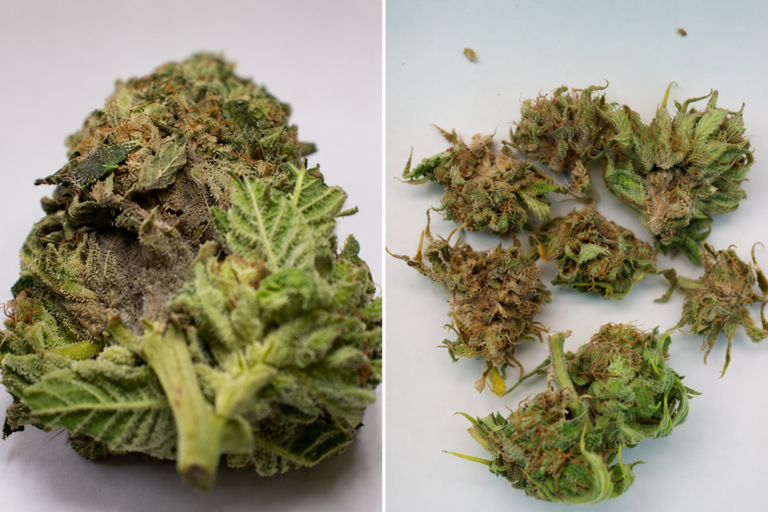
Contaminated cannabis often looks and smells completely normal. Unlike mold or poor curing, pesticide residues are usually invisible. Clean-looking buds do not guarantee clean chemistry.
Conclusion
This study adds to growing evidence that illicit cannabis carries a significantly higher contamination risk than regulated products.
More than 90% of the illicit samples tested positive for pesticides, compared to just 6% of licensed samples. That gap is not small—it’s structural.
The takeaway is not fear, but awareness.
Cannabis consumers today have more information than ever before. And in a market where quality can vary dramatically, informed choices are one of the most effective forms of harm reduction.