What Are Trichomes and Why They Matter More Than You Think
Key Takeaways
- Trichomes are tiny resin glands that produce THC, CBD, and terpenes
- They are the main indicators of cannabis potency and quality
- Different trichome types play different roles in plant development
- Trichome color helps determine the perfect harvest time
- Kief, hash, and extracts all come from collected trichomes
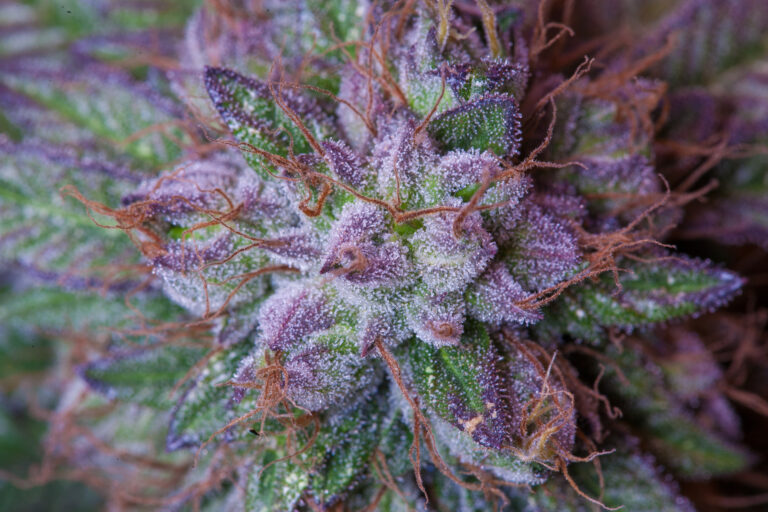
At first glance, trichomes look like nothing more than a shimmering layer of crystals dusted across a cannabis flower. In reality, they are far more complex and far more important than their appearance suggests.
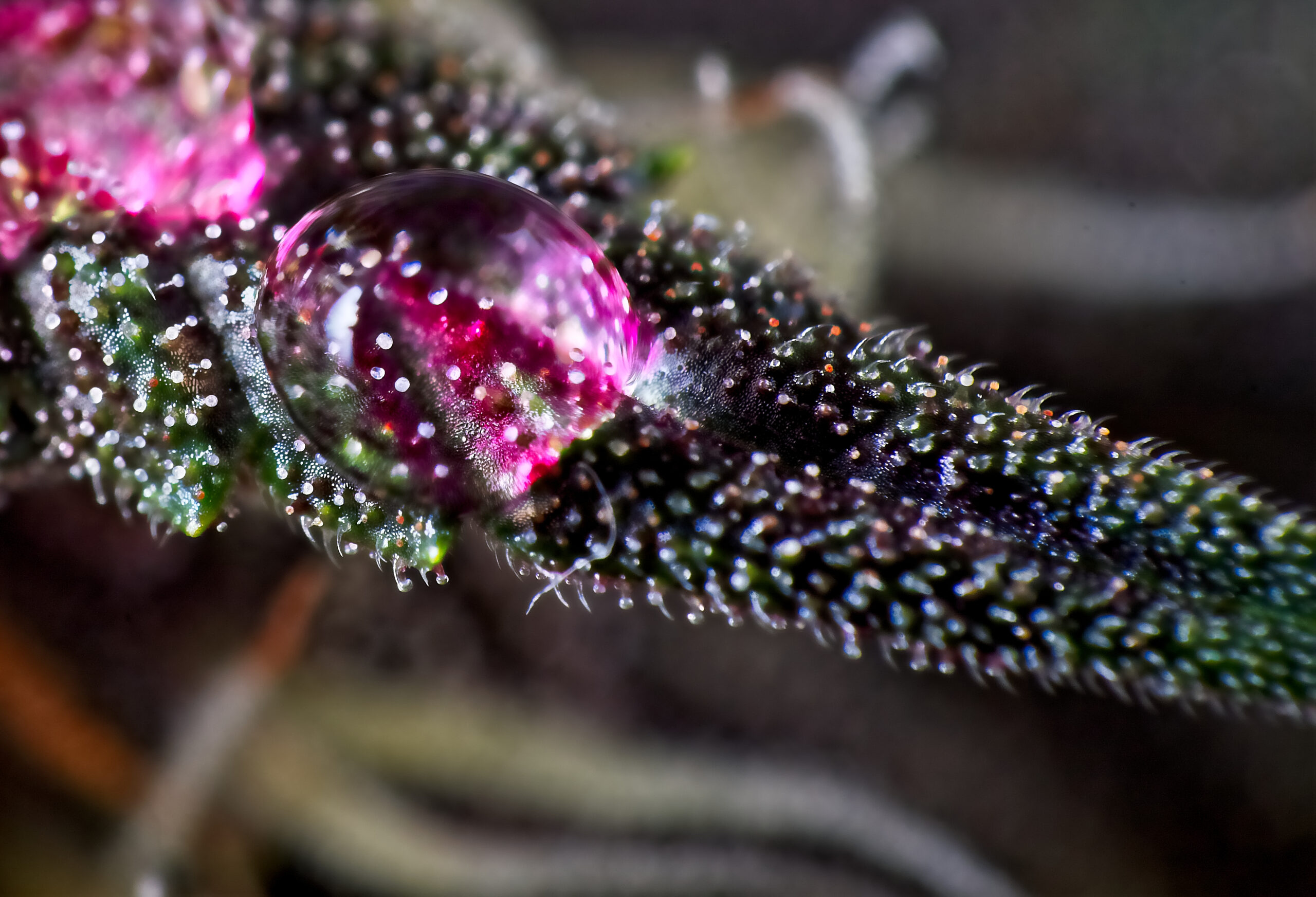
Trichomes are microscopic resin glands that develop on the surface of cannabis plants. These structures serve as biochemical factories, producing the compounds that define the plant’s effects, aroma, and therapeutic potential. THC, CBD, and the entire spectrum of terpenes are synthesized and stored within these tiny glands.
From a biological standpoint, trichomes are part of the plant’s defense system. They help protect against UV radiation, pests, and environmental stress. From a consumer standpoint, however, they are the single most important indicator of cannabis quality.
Why Trichomes Define Quality
When experienced consumers evaluate which strain to buy, they are not just looking at color or bud size. What truly matters is the density, maturity, and preservation of trichomes.
A flower rich in intact trichomes will typically deliver stronger effects, more complex flavor, and a noticeably more pronounced aroma. This is because cannabinoids and terpenes are not evenly distributed throughout the plant material—they are concentrated within these resin glands.
This also explains why two visually similar buds can produce completely different experiences. The difference is often not in the structure of the flower itself, but in the condition and concentration of its trichomes.
The Structure Behind the Frost
Bulbous Trichomes
This is the smallest and simplest form. They are barely visible without magnification and contain only minimal amounts of cannabinoids.
Capitate Sessile Trichomes
Slightly larger, these sit directly on the plant surface and produce moderate amounts of cannabinoids.
Capitate Stalked Trichomes
These are the most important ones. They have a mushroom-like shape and are responsible for the majority of THC and terpene production.
When people talk about “frosty buds,” they are usually referring to these.
Reading Trichomes at Harvest
For cultivators, trichomes are more than a quality marker—they are a timing mechanism.
As the plant matures, trichomes undergo a visible transformation. Initially clear, they gradually turn milky as THC production peaks. Over time, they shift toward an amber tone, indicating chemical degradation and a change in the cannabinoid profile.
Harvest timing is often determined by this progression. A crop harvested during the milky phase tends to produce more energetic effects, while a later harvest with more amber trichomes leans toward a heavier, more sedative experience.
This is one of the most precise ways to control the final effect of a cannabis product, and it underscores just how central trichomes are to the entire process.
From Trichomes to Concentrates
Nearly every cannabis concentrate on the market is, in essence, a refined collection of trichomes.
When kief is gathered, what remains is a loose accumulation of detached resin glands. Hash takes this a step further by compressing or refining those glands. Modern extraction methods—such as rosin pressing or hydrocarbon extraction—are designed to isolate and preserve these compounds at an even higher level.
This is why concentrates consistently deliver stronger effects than flower. They are not fundamentally different products—they are simply a more concentrated form of the same trichome material.
This also creates strong internal linking opportunities to related topics such as kief, hash, and extraction methods, all of which build on the same underlying concept.
The Fragility of Trichomes
Despite their importance, trichomes are extremely delicate.
They can be easily damaged or lost during handling, trimming, or transportation. Excessive processing, poor storage conditions, or low-quality production methods can strip a flower of much of its resin content without dramatically changing its appearance.
This is particularly relevant when considering lower-end products, such as mass-produced pre-rolls, where the material often contains fewer intact trichomes. While convenient, these products often sacrifice quality in ways that are not immediately apparent to consumers.
Understanding how fragile trichomes are gives you a much clearer framework for evaluating cannabis beyond surface-level characteristics.
Final Thoughts
Trichomes are not just a detail. They are the foundation of everything cannabis offers.
They determine how a strain smells, tastes, feels, and ultimately affects the user. Once you understand their role, it becomes much easier to identify quality and make better choices as a consumer.
In a market that often emphasizes branding and appearance, trichomes remain one of the few indicators that cannot be faked. They are the closest thing cannabis has to a universal standard of quality—and they reward those who know what to look for.