Is Your Weed Safe? How to Identify PGR Cannabis
Key Takeaways
- PGR cannabis is grown using synthetic chemicals that manipulate plant development
- These substances can negatively impact both product quality and consumer health
- Common signs include overly dense buds, weak aroma, and harsh smoke
- Organic cannabis offers a safer and higher-quality alternative
- Buying from reputable, lab-tested sources is the most reliable way to avoid contaminated products
As the cannabis industry continues to expand, so does the pressure on growers to increase yield, improve appearance, and maximize profits. One controversial method that has emerged, particularly in unregulated markets, is the use of plant growth regulators, commonly referred to as PGRs.
PGR cannabis refers to cannabis that has been cultivated using synthetic chemicals designed to manipulate plant development. While these substances can produce dense, visually appealing buds, they often come at the expense of quality, safety, and overall user experience.
Understanding what PGR cannabis is and how to identify it is becoming increasingly important for consumers who care about what they are putting into their bodies.
What Are Plant Growth Regulators (PGRs)?
Plant growth regulators are synthetic or naturally derived substances used in agriculture to influence plant growth patterns. In conventional farming, they are sometimes applied to control height, improve shelf life, or increase yield.
In cannabis cultivation, certain synthetic PGRs are misused to alter the plant’s natural hormone balance. This results in compact, heavy buds that may look desirable at first glance but are often inferior in chemical composition.
Some of the most commonly associated substances include:
- Paclobutrazol, which inhibits stem elongation and creates dense, compact buds
- Daminozide (Alar), a compound banned in food production due to potential carcinogenic effects
- Chlormequat chloride, which can reduce natural cannabinoid and terpene development
These chemicals fundamentally change how the plant grows, often reducing the complexity and quality that defines high-grade cannabis.
Why Is PGR Cannabis Used?
The primary driver behind PGR use is economic efficiency. In competitive or illicit markets, visual appeal and weight often outweigh quality.
Growers may use PGRs to:
- Increase overall yield per plant
- Produce dense, heavy buds that appear more valuable
- Accelerate growth cycles for faster turnover
From a commercial standpoint, these outcomes can significantly boost short-term profits. However, they degrade the very characteristics that define premium cannabis—aroma, flavor, cannabinoid richness, and overall experience.
Health Risks of PGR Cannabis
One of the most concerning aspects of PGR cannabis is the potential impact on human health. These chemicals are not intended for inhalation or consumption, and research has raised serious concerns about their toxicity.
Potential risks include:
- Liver and kidney stress due to chemical accumulation
- Respiratory irritation when combusted and inhaled
- Hormonal disruption linked to certain growth regulators
- Increased cancer risk associated with compounds like daminozide
In regulated markets, testing standards aim to limit exposure to harmful substances. However, in unregulated or black-market environments, these protections are often absent, increasing the likelihood of contaminated products reaching consumers.
Not all plant growth regulators are harmful. In fact, plants naturally produce their own PGRs, such as auxins, cytokinins, and gibberellins, which control growth, flowering, and development.
In organic cultivation, beneficial inputs like mycorrhizal fungi, compost teas, and living soil systems can support these natural processes. Some of these biological systems can even stimulate or influence natural PGR activity within the plant, without introducing harmful residues.
The problem arises with synthetic PGRs, such as paclobutrazol or daminozide. These are artificial chemicals used to manipulate plant structure in ways that prioritize yield and appearance over quality and safety.
How to Identify PGR Cannabis
While lab testing is the only definitive way to confirm contamination, experienced consumers can often identify PGR cannabis through visual and sensory cues.
Key indicators include:
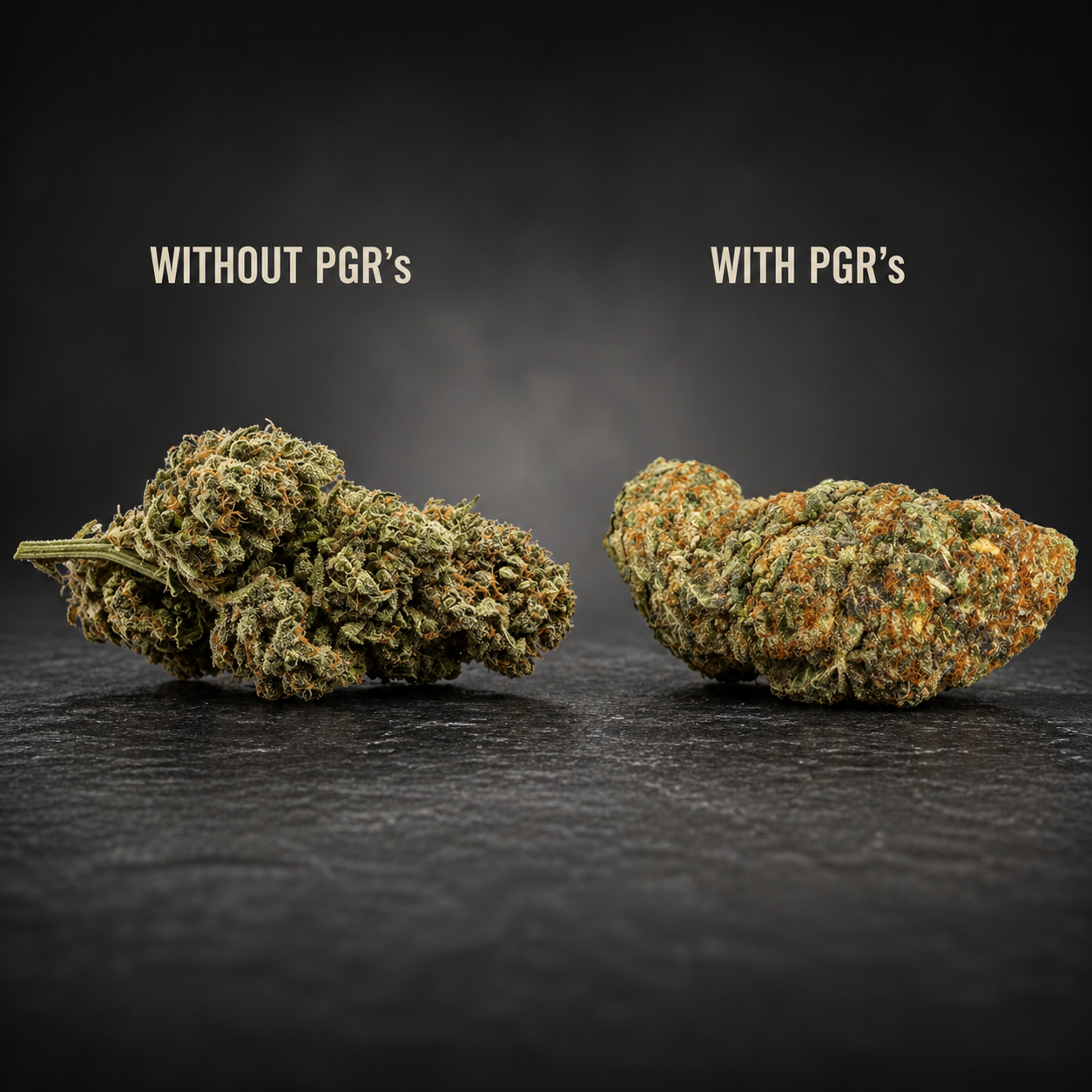
- Extremely dense, rock-hard buds with little natural structure
- Darkened or dull pistils, often brown rather than vibrant orange
- Weak, muted, or completely absent aroma due to reduced terpene content
- A sticky texture without visible trichome richness
- Harsh, chemical-like smoke when consumed
In contrast, naturally grown cannabis tends to have a balanced structure, strong aroma, and a visible layer of trichomes that contribute to both potency and flavor.
Safer Alternatives: Natural and Organic Cultivation
For consumers seeking higher-quality cannabis, organically grown products offer a clear alternative. These cultivation methods prioritize plant health, soil biology, and natural inputs over synthetic manipulation.
Organic growers typically rely on:
- Living soil systems enriched with compost and microbial life
- Natural fertilizers such as worm castings and plant-based nutrients
- Controlled environmental conditions to optimize plant development
This approach preserves the plant’s natural terpene and cannabinoid profile, resulting in a more authentic and balanced experience.
Why Choosing Organic Cannabis Matters
The difference between PGR-treated and organically grown cannabis goes beyond safety—it directly affects quality.
Organically cultivated cannabis generally offers:
- Higher terpene levels, leading to stronger aroma and flavor
- A more complex cannabinoid profile and improved overall effects
- Reduced exposure to harmful chemical residues
- A more sustainable and environmentally responsible production process
For consumers, this translates into a cleaner, more predictable, and more enjoyable experience.
Final Thoughts
PGR cannabis represents a trade-off between visual appeal and genuine quality. While dense, compact buds may look impressive, they often signal compromised cultivation practices and potential health risks.
As the market continues to evolve, consumer awareness is one of the most effective tools for driving better standards. By understanding how to identify PGR cannabis and prioritizing organically grown, lab-tested products, users can make more informed decisions and avoid unnecessary risks.