
Trump Signs Bill to Recriminalize Hemp THC Products — What It Means for Consumers and the Future of Legal Hemp

Key Takeaways
-
President Trump has officially signed a federal bill that recriminalizes hemp-derived THC products such as Delta-8, THCA, and HHC.
-
The law redefines hemp to include total THC (Δ9 + THCA) and caps all hemp products at 0.4 mg THC per package.
-
The move closes the “Farm Bill loophole” that allowed hemp-based intoxicants to be sold nationwide.
-
The law will take effect after a one-year transition period; however, enforcement may commence earlier.
-
Consumers should prepare for product bans, market shortages, and possible legal risks depending on state laws.
From Legal Hemp to Recriminalization: How We Got Here
When the 2018 Farm Bill was passed, it legalized hemp — cannabis containing less than 0.3% Δ9-THC by dry weight.
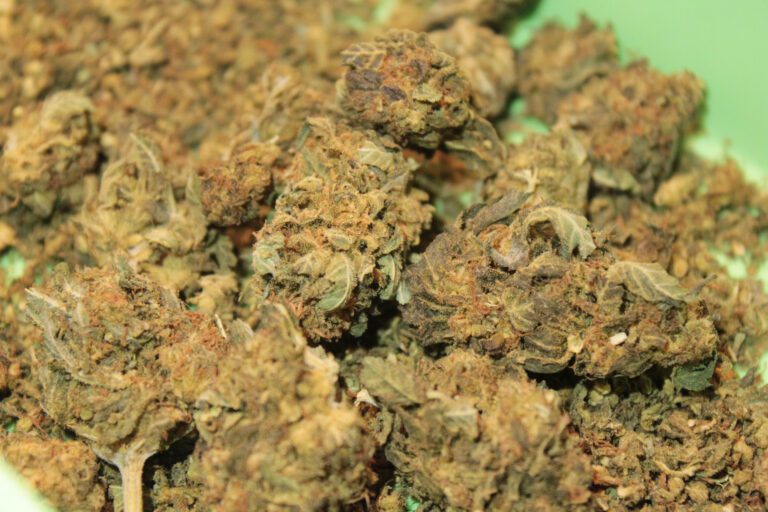
What it didn’t anticipate was the explosion of psychoactive hemp products, such as Delta-8 THC, HHC, and THCA flower, that were derived from legal hemp but offered the same high as marijuana.
For years, this “loophole” created a booming market worth billions, filling shelves in vape shops and online stores. But lawmakers and health officials increasingly warned of unregulated products, teen access, and synthetic conversions happening outside licensed systems.
Now, the government is taking it back.
What the New Law Actually Says
The new federal language, included in a recent government funding bill and signed by President Trump, changes the legal definition of hemp nationwide.
The major points:
-
Total THC definition: Hemp must contain no more than 0.3% total THC, counting both Δ9 and THCA.
-
Ban on synthetic and semi-synthetic cannabinoids: Cannabinoids “manufactured outside the plant” or not naturally occurring in hemp are now illegal.
-
THC-per-container limit: Any consumer hemp product must contain less than 0.4 mg total THC per container, including edibles, oils, and vapes.
-
Retail restrictions: The sale of “intoxicating hemp-based products” like Delta-8 and HHC in convenience stores, gas stations, and online will be prohibited.
-
Transition period: The industry has roughly 12 months to comply before federal enforcement begins.
Why It Matters
This is not a minor regulatory tweak — it’s a federal crackdown on an entire sector of the hemp economy.
According to the U.S. Hemp Roundtable, this could eliminate up to 95% of hemp-derived product sales.
For consumers, the impact will be immediate:
-
Delta-8 and THCA flower products will likely disappear from online stores and local shops.
-
Some CBD oils and full-spectrum products could also be restricted if they contain trace THC above the new limit.
-
Testing and labeling will become critical — buying unverified products could expose you to new legal risk.
Even if your state law still allows hemp-derived THC, federal law now overrides that protection.
What Consumers Should Do Now
If you use hemp-derived products — especially for wellness or relaxation — here’s what to keep in mind:
1. Check the Label Carefully
Only buy from brands that publish third-party lab reports showing THC and THCA content. Anything above trace levels could soon become illegal.
2. Stock Up Wisely
Many online shops are already selling through their inventories before enforcement kicks in. Be aware, however, that shipping across state lines may soon carry legal risk.
3. Avoid Gas Station Gummies
These are the first targets for enforcement. Stick to licensed dispensaries or reputable hemp retailers if you still want access to cannabinoids.
4. Watch for State Guidance
Some states (like Kentucky and Minnesota) may adopt new frameworks or exemptions — keep an eye on local updates.
5. Expect Price Shifts
As the market contracts, the price of legitimate CBD and compliant hemp products will likely increase.
The Bigger Picture
The irony isn’t lost on the hemp community:
Donald Trump signed the 2018 Farm Bill that legalized hemp — and now he’s signed the bill that takes it away.
Critics argue that the move was driven by political considerations, rather than scientific evidence. With cannabis reform still stalled and hemp blamed for “intoxicating loopholes,” the easiest move was to roll it all back.
Industry advocates vow to challenge the law in court, calling it “a betrayal of American farmers and entrepreneurs.”
The Bottom Line
The U.S. hemp market is entering a new era — one of recriminalization, restrictions, and uncertainty.
Consumers who rely on hemp products should prepare for changing availability, shifting laws, and a likely flood of misinformation.
For now, one truth remains:
What was legal yesterday might not be tomorrow.
What do you think about the ban? Are you currently consuming hemp products? Let us know in the comments!






The only reason they are doing this is because big Pharma lost so much money by everyone using cannabis products to replace all their horrible pills, but let’s all be opioid addicts and rely on psychiatric drugs as opposed to a more natural approach. I think this is a complete betrayal and now we’re back to fighting again for substance that helps so many people.
This is criminal, sounds like trump and big pharma go hand in hand
I was really hoping we were finally getting close to full legalization. This is a push back in the wrong direction. Bad for us, bad for business and bad for health issues.
Legalize marijuana, marijuana is not a drug. It’s a plant. Drugs are made from chemicals, but marijuana grows. Marijuana is also medicine for many individuals.