
They’re Coming For Our Hemp: How The Senate Wants To Kill The Hemp Industry

Key Takeaways
-
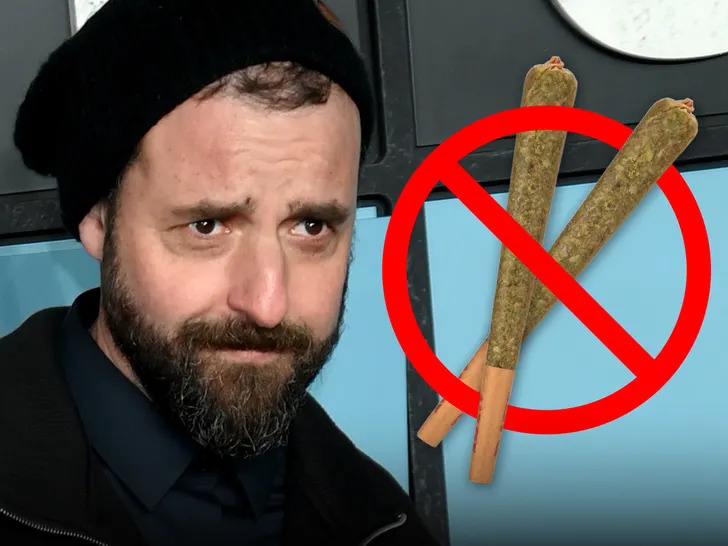
The U.S. Senate voted to change the federal definition of hemp, closing the “intoxicating hemp” loophole.
-
The amendment bans most hemp-derived cannabinoids like Delta-8 THC, THCA flower, and HHC products.
-
Finished products will be limited to 0.4 mg total THC per container.
-
An attempt by Senator Rand Paul to remove the ban failed 76–24.
-
The industry has warned that up to 95% of hemp businesses could be wiped out if the measure becomes law.
The 2018 Hemp Revolution — and the Loophole That Followed
When Congress passed the Agriculture Improvement Act of 2018, it legalized hemp nationwide, defining it as cannabis containing no more than 0.3% Δ-9 THC by dry weight. That move opened the floodgates for farmers and entrepreneurs alike.
Soon, a booming industry emerged—producing CBD oils, edibles, and eventually Delta-8 THC, THCA flower, and other hemp-derived cannabinoids that deliver psychoactive effects while technically staying under the federal THC threshold.
For years, this “gray-market” segment thrived, filling shelves in gas stations, smoke shops, and online stores. But state and federal lawmakers have increasingly viewed it as a regulatory nightmare—one that sidestepped both cannabis and pharmaceutical oversight.
What the Senate Decided on Sunday
On Sunday night, November 10, 2025, the U.S. Senate passed a massive government funding bill that quietly tucked in a hemp-redefinition clause.
The measure changes the legal definition of hemp to include total THC content, counting both Δ-9 THC and THCA (the non-psychoactive precursor that converts to THC when heated).
Key provisions include:
-
Total THC limit: Hemp must not exceed 0.3% total THC (including THCA).
-
Synthetic exclusion: Any cannabinoid “synthesized or manufactured outside the plant” will no longer be considered hemp.
-
THC cap for consumer products: A finished hemp product cannot contain more than 0.4 milligrams total THC per container.
-
Sales restrictions: The sale of “intoxicating hemp-based or hemp-derived products”—like Δ-8, HHC, THCA, and similar compounds—would be prohibited in unlicensed retail environments.
An amendment by Sen. Rand Paul (R-KY) to remove the hemp ban language was defeated 76–24, leaving the restrictions intact.
If enacted, the bill provides a one-year grace period for compliance—but industry advocates say that’s cold comfort.
Why This Matters
The amendment effectively reverses much of the 2018 Farm Bill’s economic impact, especially for small farmers and processors who pivoted to hemp cannabinoids after the collapse of the CBD market.
Groups like the U.S. Hemp Roundtable and National Hemp Association have condemned the move, warning that it would “kill 95 percent of the industry overnight.”
While Congress claims the change targets “intoxicating” products, it also affects non-intoxicating full-spectrum CBD products that contain trace THC, potentially banning many legitimate supplements currently sold nationwide.
The Political Optics: Hemp as a Scapegoat
Critics argue that the timing is no coincidence. With federal cannabis reform stalled and public anxiety over unregulated vape and edible sales rising, hemp became an easy political target.
“This isn’t about safety—it’s about control,” said one Kentucky hemp processor quoted by Cannabis Business Times. “They legalized hemp, let us build a market, and now they’re taking it back.”
Even more controversial is that the ban was included as part of a continuing resolution to fund the government, rather than being debated openly. That has left many in the hemp industry accusing lawmakers of using procedural shortcuts to bypass hearings and impact assessments.
What Happens Next
The bill now moves to the House of Representatives, where its fate remains uncertain. If the House passes it as is and the President signs it, the new definition of hemp will become federal law within months.
Enforcement would likely be led by the U.S. Department of Agriculture and the DEA, though exact oversight responsibilities are unclear. The one-year transition window might offer temporary relief—but not a lifeline.
Legal challenges are expected, with trade groups arguing that the measure exceeds Congress’s intent under the 2018 Farm Bill and violates existing state hemp frameworks.
Conclusion
If enacted, this Senate move would mark the most significant federal crackdown on hemp since the prohibition ended. It would erase the legal market for Delta-8, THCA, and nearly every hemp-derived cannabinoid product that doesn’t strictly meet the new standards.
For farmers, small businesses, and consumers alike, the message is clear:
Your politicians are coming for your hemp.
What do you think about the Senate’s action? Let us know in the comments!
Sources
-
Marijuana Moment: Senate Rejects Attempt To Save Hemp Industry From THC Ban
-
Cannabis Business Times: Hemp Product Ban Included in Deal to Reopen Government
-
MJBizDaily: Senate Passes Government Funding Deal With Hemp Ban Language
-
Church.Law: Breaking: Senate Passes Bill Banning Intoxicating Hemp Products
-
Convenience.org: Senate Votes to Ban Intoxicating Hemp Products





Hemp was mere scapegoat. It should’ve been changed to age 21 and lift ban on hemp and cannabis. The taxes off both could be a lifeline to the SNAP and ACA programs. It seems Rolex vs Blue Collar. Tobacco and alcohol cause 650,000 deaths per year. The deaths from cannabis is zero
Farmers raising hemp and soybeans will likely see the increase in bankruptcy and suicide due to financial woe.
Prohibition doesn’t work. Pain pills don’t help nerve damage pain. Need regulation not Prohibition.