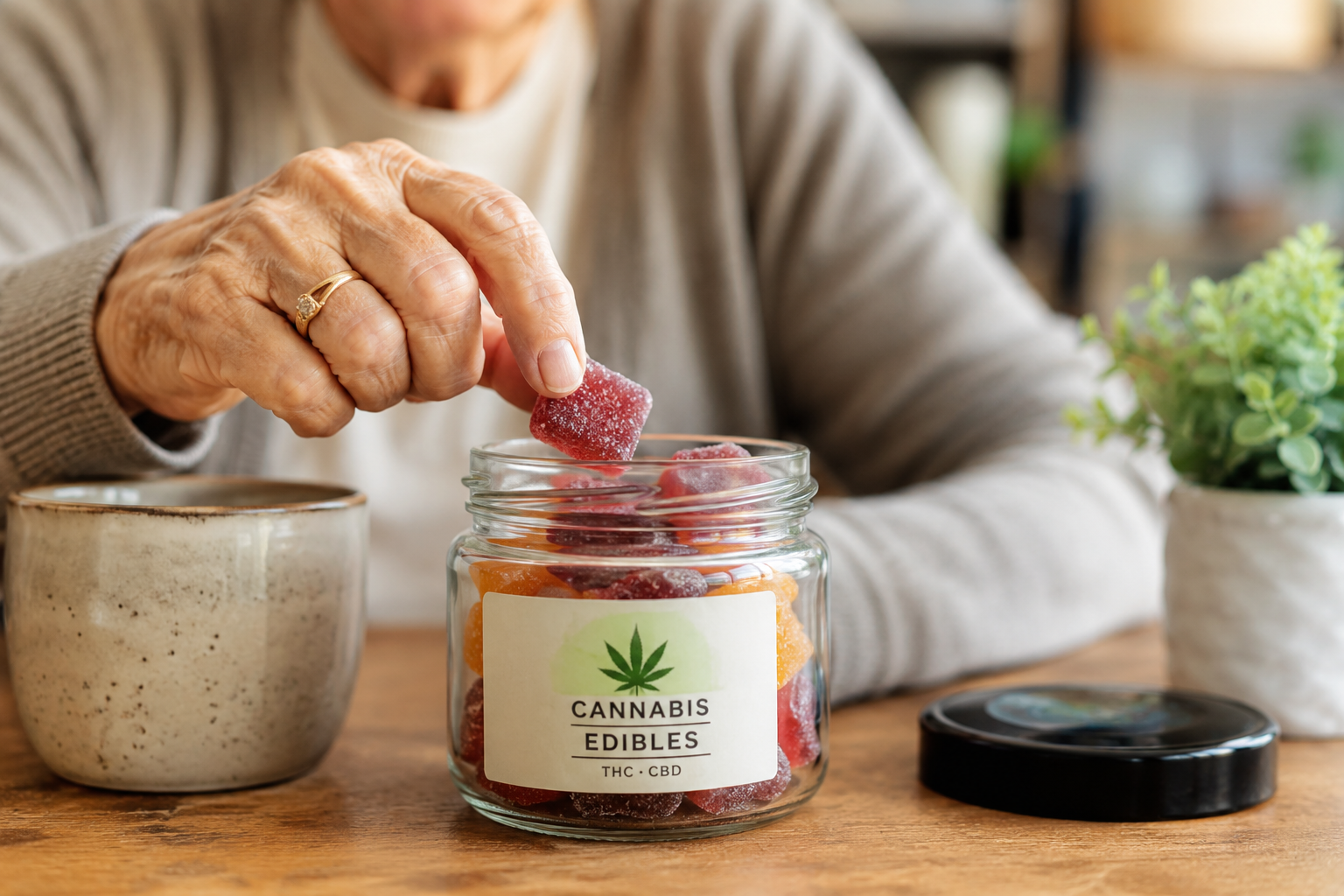
Seniors Are Turning to Cannabis Edibles Instead of Prescription Drugs
Key Takeaways
- Older adults are now one of the fastest-growing groups of cannabis consumers in the United States.
- A new study found that many seniors are using cannabis edibles for pain, sleep problems, anxiety, and depression.
- Most participants preferred THC-CBD combination products instead of THC-only or CBD-only options.
- Many older consumers are making cannabis decisions without guidance from doctors.
- Researchers say healthcare providers need better education about cannabis and aging populations.
For decades, cannabis was mostly associated with younger consumers and recreational culture. That picture is changing rapidly.
Across the United States, more adults in their 60s, 70s, and even 80s are turning to cannabis products, especially edibles, to manage chronic pain, insomnia, anxiety, and other age-related conditions. Many are not looking to get high. They are looking for relief after years of medications, treatments, and side effects.
A new study published in JAMA Network Open explored how older adults are making decisions about cannabis use and why many are now visiting dispensaries instead of relying solely on traditional pharmaceuticals.
The findings reveal a major shift in consumer behavior and highlight how cannabis is increasingly being viewed as part of wellness and symptom management for aging populations.
Older Adults Are Becoming a Major Cannabis Consumer Group
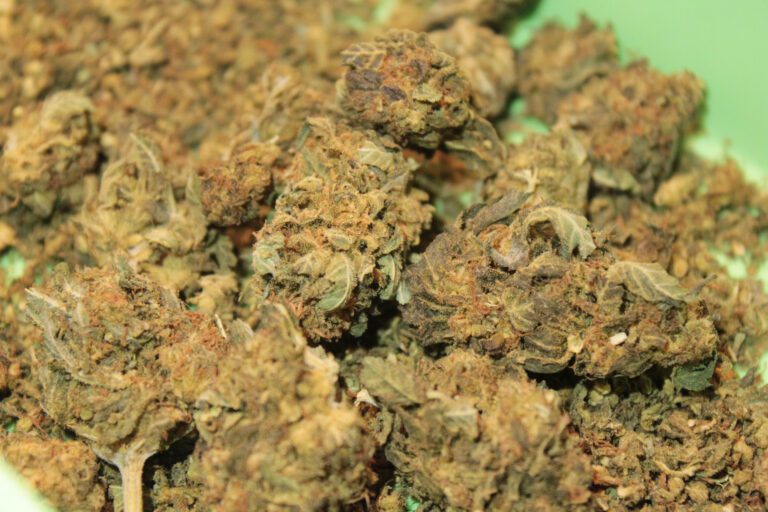
Researchers interviewed 169 adults between the ages of 60 and 85 in Colorado who were interested in cannabis edibles such as gummies, chocolates, and capsules. The average participant age was around 71 years old.
Most participants were seeking help with:
- Chronic pain
- Sleep disorders
- Anxiety
- Depression
- General stress management
Researchers found that cannabis use among seniors is growing rapidly as legalization expands across the country and social stigma continues to decline.
Unlike younger recreational consumers, older adults often approached cannabis cautiously and after exhausting more traditional options.
Many participants described years of trying:
- Prescription painkillers
- Anti inflammatory medications
- Steroid injections
- Physical therapy
- Acupuncture
- Massage therapy
- Sleep medications
Some participants specifically expressed concern about the long-term side effects of common pharmaceuticals, especially NSAIDs and opioids.
One participant explained they worried about bleeding ulcers and other complications linked to long-term anti-inflammatory medication use.
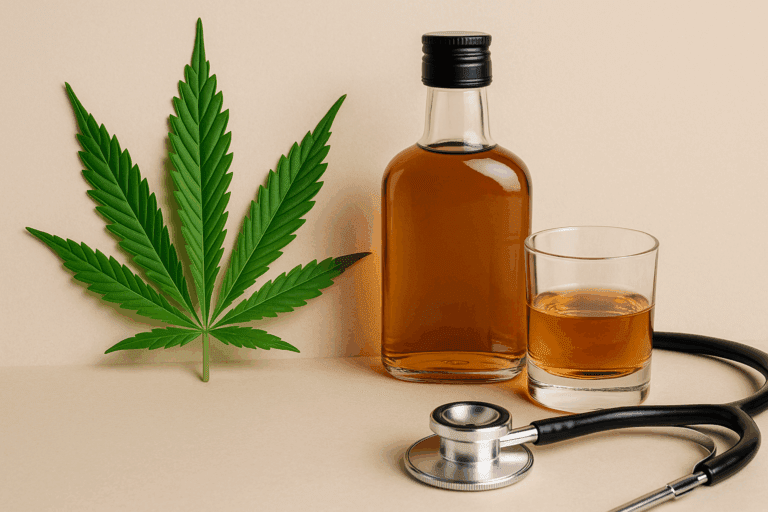
This reflects a broader trend happening across the cannabis industry. Many consumers are increasingly interested in alternatives to conventional pharmaceuticals, especially for chronic conditions.
If you want to understand how cannabinoids interact with the body, check out our guide to the Endocannabinoid System.
Why Seniors Are Choosing Edibles
Edibles were particularly popular among older adults because they avoid smoking and vaping.
For many seniors, smoking cannabis still carries stigma or health concerns. Edibles offer a more discreet and approachable alternative.
Participants also viewed edibles as:
- Easier to dose
- Longer lasting
- More convenient
- Better for sleep support
- Less harmful to the lungs
At the same time, researchers noted that edibles also come with important risks, especially for inexperienced consumers.
Unlike inhaled cannabis, edibles can take much longer to produce effects. This delayed onset increases the risk of accidental overconsumption, particularly among new users unfamiliar with THC dosing.
The study also highlighted concerns about potential interactions with prescription medications, something many participants said they received little guidance about from healthcare providers.
Most Seniors Preferred THC and CBD Combination Products
One of the most interesting findings from the study was product preference.
Nearly 58% of participants selected products containing both THC and CBD. Far fewer chose THC-only or CBD-only products.
Participants often viewed combination products as a balanced middle ground.
THC was associated with stronger symptom relief, especially for pain and sleep, but many participants feared:
- Feeling too intoxicated
- Anxiety or paranoia
- Memory problems
- Reduced daily functioning
CBD-only products were viewed as safer and less intimidating because they do not produce a traditional psychoactive high. However, many participants questioned whether CBD alone would actually provide meaningful relief.
Combination products appeared to offer what many consumers saw as the best of both worlds.
This growing preference for balanced cannabinoid profiles mirrors larger trends in the legal cannabis market, where consumers are increasingly exploring formulations beyond high-THC flower alone.
You can also read our breakdown of THC vs CBD to better understand the differences between the two cannabinoids.
Many Seniors Are Using Cannabis Without Medical Guidance
One of the biggest concerns raised by researchers was the lack of communication between patients and healthcare providers.
Many participants reported making cannabis decisions based on:
- Friends and family recommendations
- Online articles and forums
- Dispensary staff advice
- Product marketing
- Trial and error
Researchers noted that many physicians still feel uncomfortable discussing cannabis because clinical research remains limited compared to traditional pharmaceuticals.
At the same time, many older adults reportedly avoid discussing cannabis with doctors entirely.
This creates a situation where seniors are experimenting with cannabis products while managing multiple medications and health conditions without professional guidance.
As cannabis legalization expands globally, experts increasingly argue that healthcare systems need better cannabis education rather than ignoring the topic altogether.
The Cannabis Industry Is Seeing a Major Demographic Shift
The stereotype of cannabis consumers is evolving quickly.
Older adults are becoming one of the industry’s fastest-growing demographics, influencing everything from product development to dispensary marketing.
Cannabis companies are increasingly creating products specifically designed for wellness-oriented consumers, including:
- Low-dose edibles
- Balanced THC-CBD formulations
- Sleep-focused products
- Pain management products
- Easy-to-dose capsules and tinctures
This trend could become even more significant as populations continue aging and public acceptance of cannabis grows.
At the same time, researchers stress that more clinical studies are urgently needed, particularly involving older adults who may respond differently to cannabinoids than younger consumers.
Conclusion
The new study highlights a major cultural and medical shift happening across the United States.
Many older adults are no longer viewing cannabis as taboo. Instead, they are exploring it as a practical option for managing pain, sleep issues, anxiety, and quality of life concerns after years of frustration with conventional treatments.
However, the research also reveals significant gaps in education and medical guidance.
As more seniors turn to cannabis, healthcare providers, researchers, and policymakers will likely face growing pressure to provide clearer information about dosing, risks, interactions, and long-term effects.
For now, one thing is becoming increasingly clear: cannabis is no longer just a young person’s market.